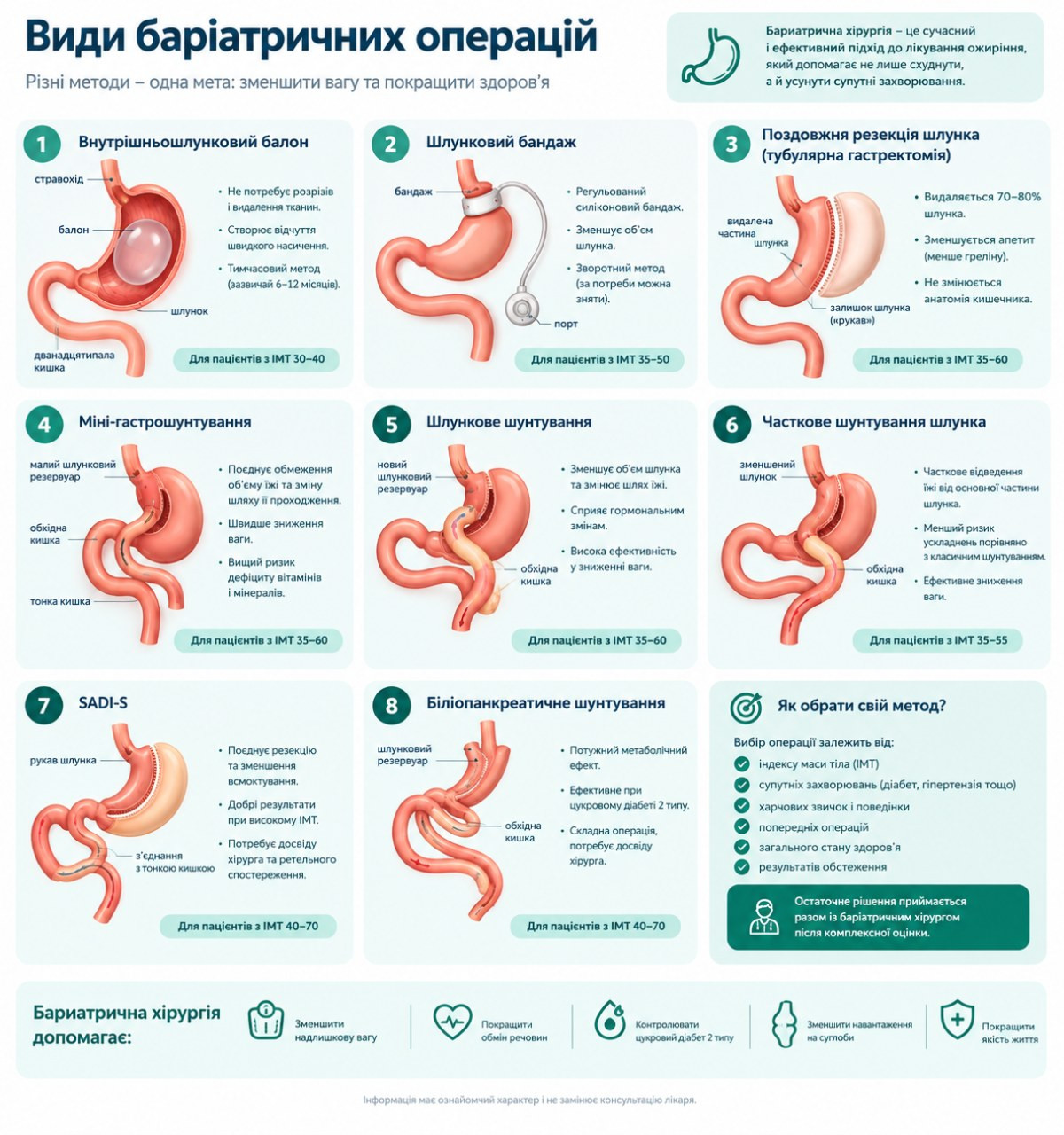


I recently reviewed the results of studies that allow a clear conclusion: metabolic surgery, also known as bariatric surgery, is the most effective available therapy for treating severe obesity and type 2 diabetes. It provides significant long-term improvement, reduces overall mortality, and dramatically lowers the risk of the most serious complications. In most cases, surgical intervention helps achieve diabetes remission or maintain adequate glycemic control while significantly reducing medication use. Evidence also shows that the benefits of surgery extend to patients with milder forms of obesity, which calls for a revision of outdated clinical guidelines and broader access to treatment.
Direct studies indicate that bariatric surgery outperforms non-surgical treatments, including medication, diet, and lifestyle changes, leading to long-term diabetes remission. Additionally, 25–50% more surgical patients maintain glycemic control without medications for up to five years.
Study Findings
German researchers conducted a new meta-analysis demonstrating that bariatric surgery is significantly more effective than standard medical treatment for people with overweight and diabetes. The analysis showed that patients with diabetes and severe obesity who underwent surgery had a much lower risk of dying from diabetes or any other disease compared to those receiving only medication therapy.
The researchers analyzed 19 studies - six randomized controlled trials and 14 clinical studies - published between 1997 and 2017. They found that 66% fewer patients who underwent metabolic surgery died compared to patients receiving standard diabetes therapy. Furthermore, surgical patients had a 62% lower risk of heart attack and stroke.
Lead author, Dr. Adrian Billeter, said:
“This analysis shows that metabolic surgery is the only therapy that positively impacts all diabetes-related complications while simultaneously reducing deaths and cardiovascular disease. This highlights a fundamental difference between the two approaches. While most medications focus on symptom control (e.g., blood sugar levels), surgical intervention fundamentally alters the body’s metabolic function, providing a systemic solution to the problem.”
In another meta-analysis, researchers at George Washington University examined 28 studies involving patients with a body mass index (BMI) of 30–35 who had been diagnosed with diabetes. They found that bariatric surgery was significantly better than medical treatment at reducing BMI, lowering glycated hemoglobin, and decreasing plasma glucose levels. In 15 studies, postoperative BMI decreased by 3.49, blood sugar levels dropped by more than 1%, and fasting plasma glucose decreased by 26.62 mg/dL.
Researcher Kira Folkert noted:
“This study shows that metabolic surgery should not be reserved only for those with more severe obesity and type 2 diabetes. It appears to be more effective in improving diabetes in patients with lower BMI than medical treatment.”
Another meta-analysis published in the British Journal of Surgery found that metabolic surgery is 74% more effective than medical therapy in preventing microvascular complications, including diabetic nephropathy, neuropathy, and retinopathy, in patients with type 2 diabetes and severe obesity.
Dr. Samer Mattar, who was not involved in the study, added:
“This research complements the vast body of data demonstrating the profound and definitive impact of metabolic surgery on obesity, diabetes, and its complications - results that cannot be achieved by any other therapy. Yet, surgery remains significantly underutilized as a treatment.”
Conclusion
Bariatric surgery is typically offered to patients with BMI ≥35, but since 2016, 45 international professional organizations, including the American Diabetes Association, recommend considering bariatric surgery for certain patient groups as a treatment for diabetes, including individuals with mild obesity who do not respond to standard therapy.
The authors of these guidelines stated:
“Despite ongoing progress in pharmacotherapy for diabetes, therapeutic goals aimed at reducing long-term complication risks - particularly glycemic control - are achieved in less than half of adults with type 2 diabetes. Meanwhile, metabolic surgery has been proven to improve glucose homeostasis more effectively than any known pharmaceutical approach.”
Dr. Eric J. DeMaria, who was not involved in the study, emphasized:
“Current non-surgical methods for treating class I obesity are often ineffective in achieving significant, long-term weight loss and resolving comorbidities. The existing BMI ≥35 criterion as a prerequisite for bariatric surgery was established over a quarter-century ago and lacks sufficient evidence to exclude patients with class I obesity. Access to surgery should not be denied solely based on outdated indications. Delays in implementing new criteria create a systemic problem that limits access to life-saving treatment for millions of people.”