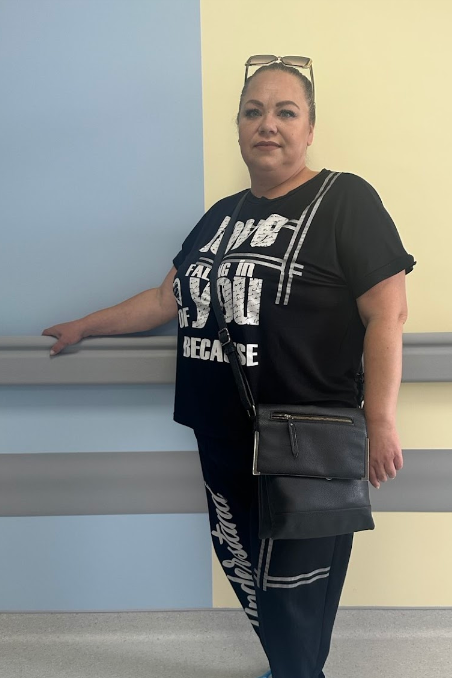


Dmitry, 39 years old, 118 kg, shared his story with us - his experience with bariatric surgery and his path to a new life.
I must admit: I postponed this conversation for a long time - just as I postponed using the gym, getting tests, and dealing with my own fatigue. My name is Dmitry, I’m 39, height 176 cm, starting weight - 118 kg. Climbing stairs left me short of breath, my blood pressure was high, and I was on the edge of prediabetes. At some point, I realized this was no longer just “a bit overweight,” I was living like this every day - and that future was not acceptable to me.
The decision didn’t come from one heroic thought but from small everyday moments. My son asked me to ride a bike, and I said “tomorrow,” even though I knew we wouldn’t go. At night, I woke up from my own snoring; in the morning, I reached for sweet coffee, not for the taste, but just to wake up. When I felt ashamed in front of myself and my loved ones, I signed up for a consultation at a bariatric surgery center - a place where bariatric surgery is performed systematically and not for the first year.
The first visit humbled me: no “quick and easy” promises. They spoke to me as an adult - explaining the indications, risks, and that surgery only works together with the right mindset. The surgeon, Emir-Useinov Tair Seitkhalilovich, honestly said, “This is a tool. Everything else is discipline and monitoring.” I liked that - no promises of miracles.
Preparation began a month before surgery: a food diary, drinking water “by alarm,” giving up soda, and taking small sips. The endocrinologist explained which tests to take and what to expect in the first months (the hospital has a strong endocrinology department - you can feel it at every stage). I chose laparoscopic sleeve gastrectomy - this option was discussed in detail during the consultation: how anatomy changes and why satiety comes faster. (This is the standard bariatric procedure performed at the clinic.)
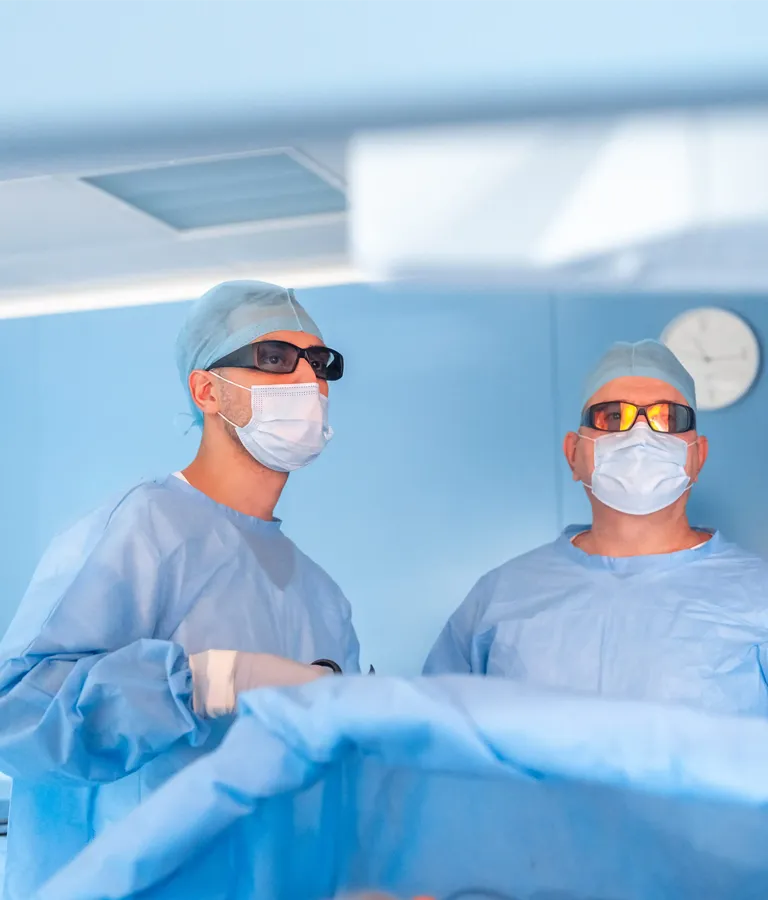
I remember the day vividly: the cold air of the operating room, the anesthesiologist joking about “sleep paid by the government” - and darkness. I woke up with a feeling of pressure in my shoulders - that was gas from the laparoscopy, as they had warned. Pain was tolerable, but thirst was stronger. The first sips were strictly according to the schedule. The nurse said, “Let’s walk,” and I walked small circles down the corridor, as if learning to walk again. That day convinced me more than all previous ones: the team did not “operate and forget,” the surgeon Emir-Useinov Tair Seitkhalilovich, anesthesiologist Korchak Vitaliy Petrovich, and nurses were right there with me.
I was discharged on the third day. One week of clear liquids, then purée, then soft food. I saw for the first time what it means to feel full from a small volume: a few spoonfuls of cottage cheese, and that was it - the internal “stop signal” worked. My mind resisted: old habits urged a “reward” with an evening snack. We agreed: the phone charges in the corridor, before bed - a glass of water, not a snack. Small tricks, but effective.
By the second month, a daily “skeleton” routine formed:
- Water - always nearby;
- Protein first, then vegetables, if space remains - grains;
- Soda and sweet coffee - skipped, the body signals discomfort;
- Daily steps;
- Sleep no later than midnight.
I monitored surgical matters with my doctor: vitamins, iron, B12, D - everything according to tests and prescriptions, no “advice from chats.” A couple of times, I hit the typical plateau - weight stayed the same for two weeks. I would have given up before, but now I stuck to the routine, and the scale moved. Over time, I realized the simple truth: the marathon is won through routine.
Honestly, about the unpleasant. Around the third to fourth month, my hair thinned slightly - not critical, but noticeable. I took tests, and with my doctor, we adjusted protein and supplements - stabilized. A few times I rushed with solid food - felt heaviness and concluded: don’t chase “as before.” At the first social meals, it was awkward: everyone eating, I - three forks of fish and a pause. I stopped explaining myself - I said, “This is better for me now,” and that was enough.
Around six months, the main thing happened - energy returned. I didn’t “start working out,” I started walking. First 15 minutes, then half an hour, then walking to work instead of taking the metro one stop. Suddenly, the belt stopped digging in, and for the first time in years, I fastened my seatbelt on a bus without gymnastics. At work, people noticed not the “lost kilograms,” but that I had become calmer and more energetic.
I want to note trust in the place where I had surgery. In the center, bariatrics is not done solo - they also train colleagues, and the multidisciplinary approach is visible in small details (from coordinating departments to how they speak to you). For me, this was an important signal that I had come to a place where bariatrics is not “fashion,” but a well-established practice.
A year passed. Minus 42 kg - those are numbers. But the result is different. I climb the fifth floor without stops. I don’t fall asleep over my laptop at lunch. I don’t hide behind a wide shirt. I eat slowly and mindfully; if old habits tempt me, I have a rule: one step back - two forward. The next day - water, protein, walk, sleep. One more important habit: follow-ups with the doctor every 3–6 months. This disciplines me no less than the scale.
In short, what helped me personally:
- Honest expectations. Surgery is the start, not the finish.
- The team. Surgeon, endocrinologist, dietitian - not “extra visits,” but insurance against mistakes. (Bariatrics is part of the hospital’s profile and their endocrinology department.)
- Small rituals. Water on the table, small plate, phone not at the bed.
- Don’t compare. Everyone’s pace is different; trend and well-being matter.
- No self-experimentation. Supplements and tests only as prescribed.
I often hear men my age ask: “Is it scary?” - yes. But scarier is living in a body that reminds you every day that you are your own adversary. Bariatric surgery gave me a chance to be a father running races again, not looking for an excuse “let’s do it tomorrow.” For this, I am grateful to the team at bariatr.com.ua and my surgeon Emir-Useinov Tair - the same one who said from the start it was a “tool,” not a “magic button.” (His profile and role at the clinic are openly confirmed.)
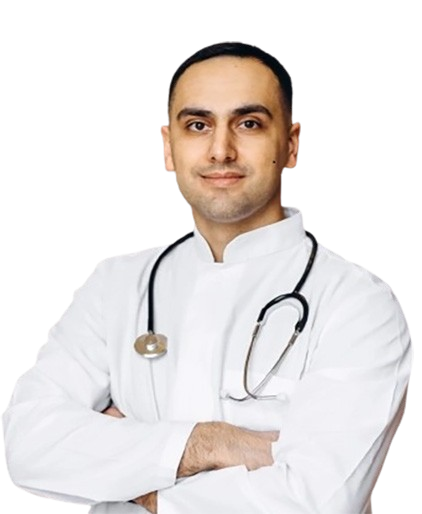
Emir-Useinov Tair Seitkhalilovich
Surgeon and bariatric surgeon at the Bariatric Surgery Center based at Kyiv City Clinical Hospital No. 1. Specialization: bariatric and laparoscopic surgery.