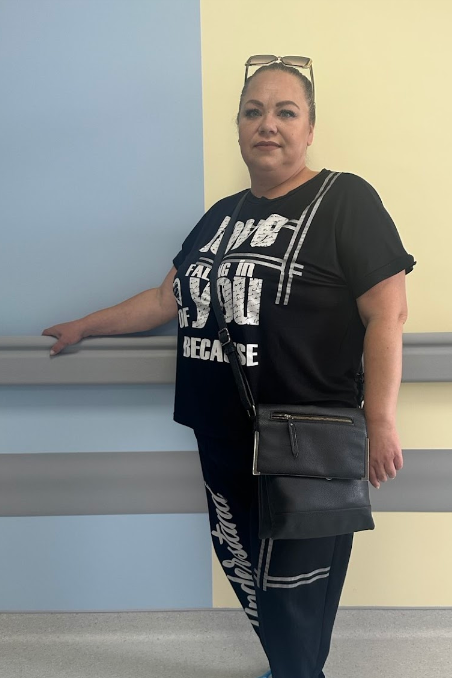


This inspiring story was sent to us by Yulia, 44 years old, from Kyiv. Her journey to slimness began after many years of struggling with excess weight, hormonal imbalances, and unsuccessful diets. Today, after bariatric surgery, Yulia has not only transformed her body - she has found confidence and a new life.
My name is Yulia, I’m 44 years old, and my struggle with excess weight began more than 10 years ago. After my third childbirth, I was diagnosed with hyperthyroidism, had part of my thyroid gland removed due to multiple nodules, and was prescribed long-term hormone therapy. Literally a month after surgery, my weight began to rise sharply, reaching 80 kg (176 lbs) at a height of 158 cm (5’2”). At that time, I didn’t see it as a major problem. I’ve always had a solid build, never been very thin, and after having children, I developed what I thought were beautiful, feminine curves - a full bust, a round belly, and hips. The numbers on the scale used to be much lower though - about 75–78 kg - and I could lose those extra kilos fairly easily by dieting and spending a few months at the gym. But soon, those 85 turned into 90 kg as my hormonal treatment continued.
Determined to take control, I tried to limit my food intake. But the stubborn kilos not only refused to go away - they kept increasing. Another month later, the scales showed 93 kg, and two months after that - 96 kg. Realizing I couldn’t handle it alone, I went to a nutritionist. She prescribed a six-month keto diet, which helped me lose about 20 kg, but soon my hair began to fall out badly, and my nails became brittle.
The doctor canceled the keto diet, advising me to avoid sweets and pastries, maintain physical activity, and go on with my life. But my weight, it seemed, also decided to “go on.” Just three weeks later, I noticed an extra 3 kg, and every month after that, another 2–4 kg appeared. I honestly didn’t restrict my eating much - and it was nearly impossible anyway, living with my mother. She had moved in with us and took over cooking for the family, constantly spoiling us with homemade bread and pastries that were impossible to resist. My kids didn’t gain weight, but I certainly did - even daily runs with the dog didn’t help.
When my weight reached 128 kg (282 lbs), and my everyday clothes started to feel like blimps, I went back to the doctors. From a cute, plump woman, I had turned into a real “ball on legs.” My belly was round and sticking out. My gynecologist suspected hormonal issues and sent me for tests, which showed that, despite my removed thyroid and a Mirena IUD, my hormone and cholesterol levels were normal. But my insulin levels were off the charts - indicating prediabetes. My BMI was over 35 - second-degree obesity. I was suffering from shortness of breath, blood pressure spikes, and frequent migraines that kept me in bed for days. I had to act fast. Because of my health condition, I couldn’t take weight-loss drugs, so my doctor suggested bariatric surgery. Surprisingly, despite the long recovery period and possible side effects, the surgery seemed like the best option for me.
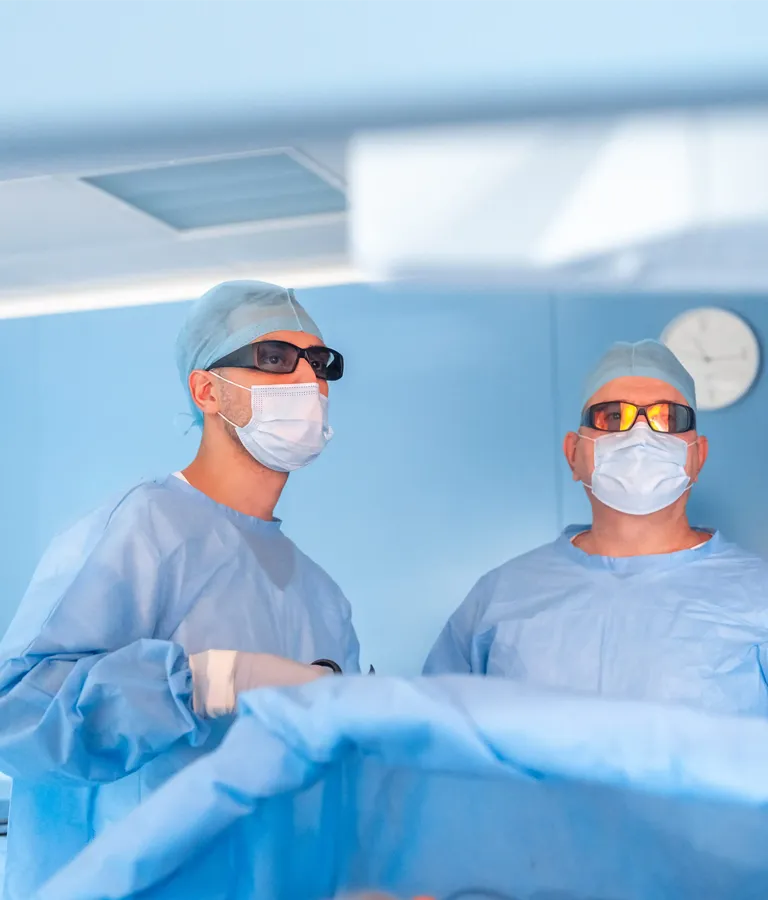
The procedure was done in Kyiv, and I still fondly remember the gentle hands of my surgeon - Tair Emir-Useinov. After assessing my health, he chose a minimally invasive laparoscopic gastric bypass, explaining that this method would not only significantly reduce the size of my stomach but also help suppress my appetite.
The preparation period before hospitalization lasted two weeks and included all the necessary tests, a low-carb diet, and lab work. I also had to get medical clearance from an endocrinologist, therapist, and ophthalmologist.
The operation took place on November 14, 2024, and I was admitted to the hospital two days earlier for preoperative blood tests and an anesthesiologist consultation. The surgery itself lasted about an hour and a half, and just six hours later, I was transferred from the ICU to a regular room. For the first 24 hours, I was on an IV. I wasn’t allowed to eat or drink, only to do breathing exercises while lying down. On the second day, the nurse made me get up and, holding onto the wall, walk to the restroom. There was no large incision, so it wasn’t that painful - mostly scary, since I was still dizzy from anesthesia and hunger. Two weeks before surgery, Dr. Emir-Useinov had put me on a low-calorie diet, limiting each meal to 200 grams. For someone used to hearty homemade meals, that was tough. Eating was forbidden 12 hours before surgery.
On the second day, I was allowed a bit of water and rosehip tea, and on the third - some chicken broth. In total, I stayed in the hospital for seven days. Starting from day four, I was allowed small portions of liquid foods - soups, broths, and jelly-like drinks.
A week after surgery, I was discharged home - to adapt to my new lifestyle. I now had to eat small portions 5–6 times a day, avoiding long breaks. My diet still consisted only of liquids: water, broth, and my mom’s raspberry or cranberry kissel.
By the second week, I added plain yogurt and baby vegetable, fruit, and meat purees. I could eat mashed boiled chicken breast with potatoes only on the 20th day after surgery - as well as blended cottage cheese casserole. I had to drink at least 1–1.5 liters of liquid daily, but only between meals. Overeating caused stomach pain. I also had to deal with loose stools and a feeling of heaviness, which I relieved with Mezim tablets.
A month after surgery, I noticed my weight had dropped quickly - down to 110 kg, and three weeks later - to 100 kg. The best part was that my favorite pajama pants, which once fit snugly, now simply fell off.
I had follow-up visits every two weeks. My doctor closely monitored my condition and only allowed me to transition to soft solid foods after about 2.5 months. I could eat more variety - steamed, boiled, or baked foods - but nothing fatty, spicy, or smoked. Each new product had to be introduced gradually and carefully.
Four months after surgery, all restrictions were lifted. I could eat everything again - still 5–6 small meals a day, without drinking water during meals.
Now, more than 10 months after surgery, I’ve reached 78 kg - that’s over 50 kg lost - and I finally like the way I look. I joyfully updated my wardrobe, throwing out my old oversized T-shirts. But as my doctors warned, it’s not time to relax. I still visit my dietitian once a month, monitor my weight daily, and keep a food diary. My appetite has decreased significantly, and I never overeat - even one extra bite beyond my 190–200 g limit causes sharp stomach pain, relieved only by No-Spa or Baralgin.
Still, I haven’t completely given up treats. According to my doctor, you shouldn’t eliminate sweets entirely - just keep them moderate. So once a week, I allow myself a “cheat meal”: a small Milky Way bar, some ice cream, or one of my mom’s apple pies. Sometimes, I even eat a bit of pizza or sushi with the kids - but always in small amounts. Most importantly, I now enjoy my new body and life, knowing that my journey to health and slimness is only just beginning.
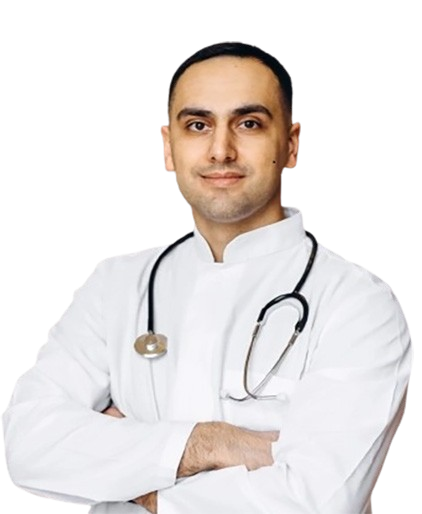
Emir-Useinov Tair Seitkhalilovich
Surgeon and bariatric surgeon at the Bariatric Surgery Center based at Kyiv City Clinical Hospital No. 1. Specialization: bariatric and laparoscopic surgery.