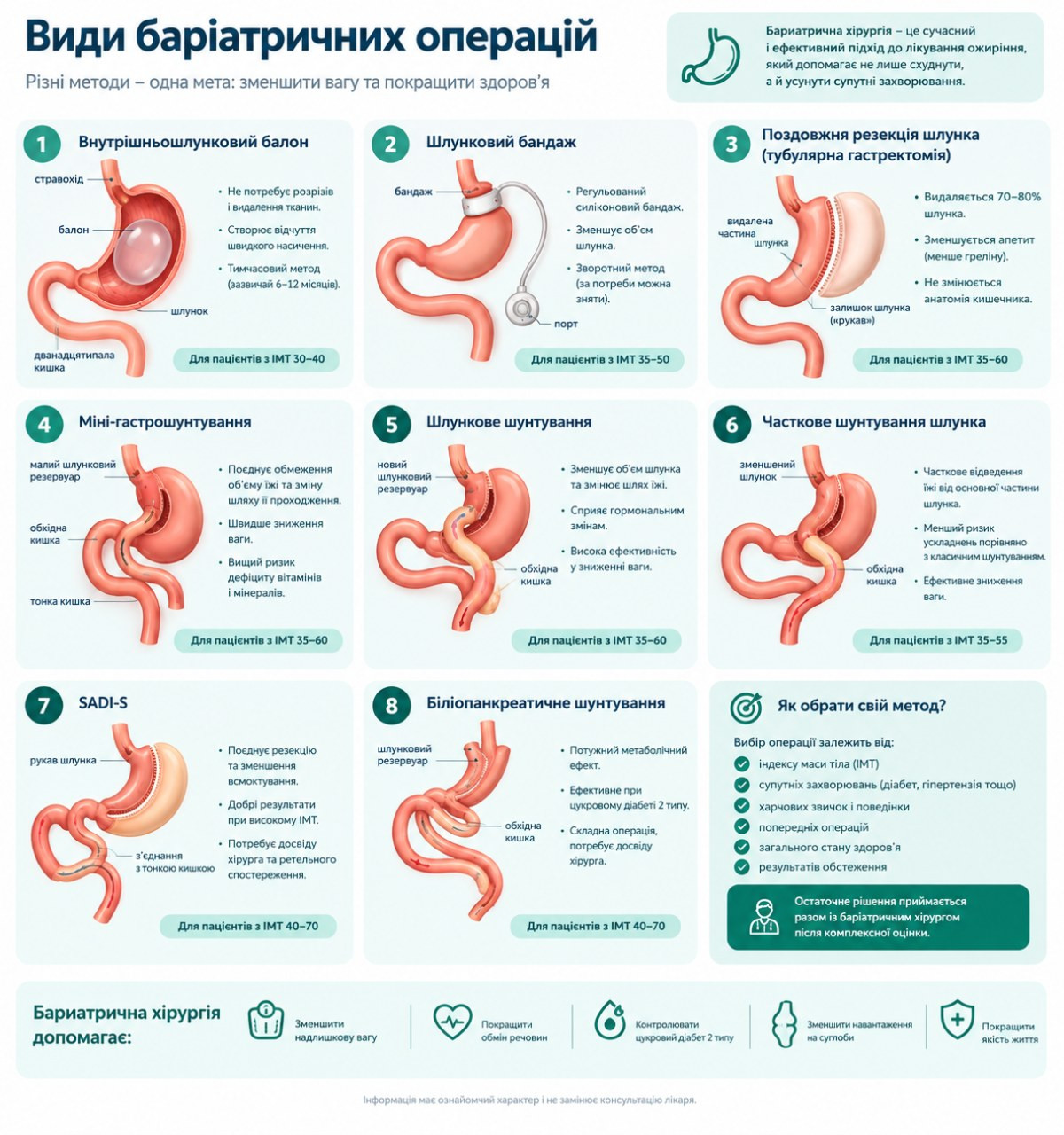


Previously, bariatric surgery was perceived primarily as a method for reducing body weight. Today, the scientific community views it much more broadly - as an effective treatment method for a chronic disease that affects almost all systems of the human body.
The modern understanding of obesity has changed: it is not simply the result of lifestyle or dietary habits, but a complex chronic disease involving genetic, hormonal, metabolic, and behavioral mechanisms.
That is why obesity treatment requires a comprehensive approach, where surgical intervention is one of the tools of modern metabolic medicine.
The joint 2022 recommendations of the American Society for Metabolic and Bariatric Surgery (ASMBS) and the International Federation for the Surgery of Obesity and Metabolic Disorders (IFSO) became one of the most important documents of recent years. They updated approaches that had previously been based on guidelines from the 1990s and confirmed the role of bariatric surgery as one of the most effective methods for long-term treatment of severe obesity in appropriately selected patients.
1. Why modern medicine has changed its approach to obesity
Today, obesity is recognized as a chronic progressive disease.
It is associated with an increased risk of:
- type 2 diabetes;
- cardiovascular diseases;
- arterial hypertension;
- obstructive sleep apnea syndrome;
- joint diseases;
- certain types of cancer.
The main challenge is that the body of a person with severe obesity often actively resists long-term weight reduction.
After temporary weight loss, biological mechanisms may become activated:
- increased hunger sensation;
- changes in appetite-regulating hormones;
- reduced energy expenditure.
This is why conservative methods often provide only short-term results for many patients.
2. What has changed in ASMBS and IFSO international guidelines
One of the major changes in recent years has been the revision of patient selection criteria for bariatric treatment.
According to current recommendations:
- metabolic and bariatric surgery is recommended for patients with a BMI ≥35 kg/m² regardless of the presence of obesity-related diseases;
- it may be considered for patients with a BMI of 30–34.9 kg/m² in the presence of metabolic disorders or insufficient results from non-surgical treatment.
This reflects an important shift in modern medicine:
Previously, surgery was considered a last resort; today, it is recognized as an evidence-based treatment method for a chronic disease.