

A new study shows significant reductions in liver and heart diseases among patients with fatty liver disease following weight-loss surgery. CDC reports indicate that 42.4% of U.S. adults are obese, with 9.2% suffering from severe obesity, which greatly increases the risk of over 40 conditions, including type 2 diabetes, hypertension, heart disease, stroke, sleep apnea, osteoarthritis, fatty liver disease, and at least 13 types of cancer.
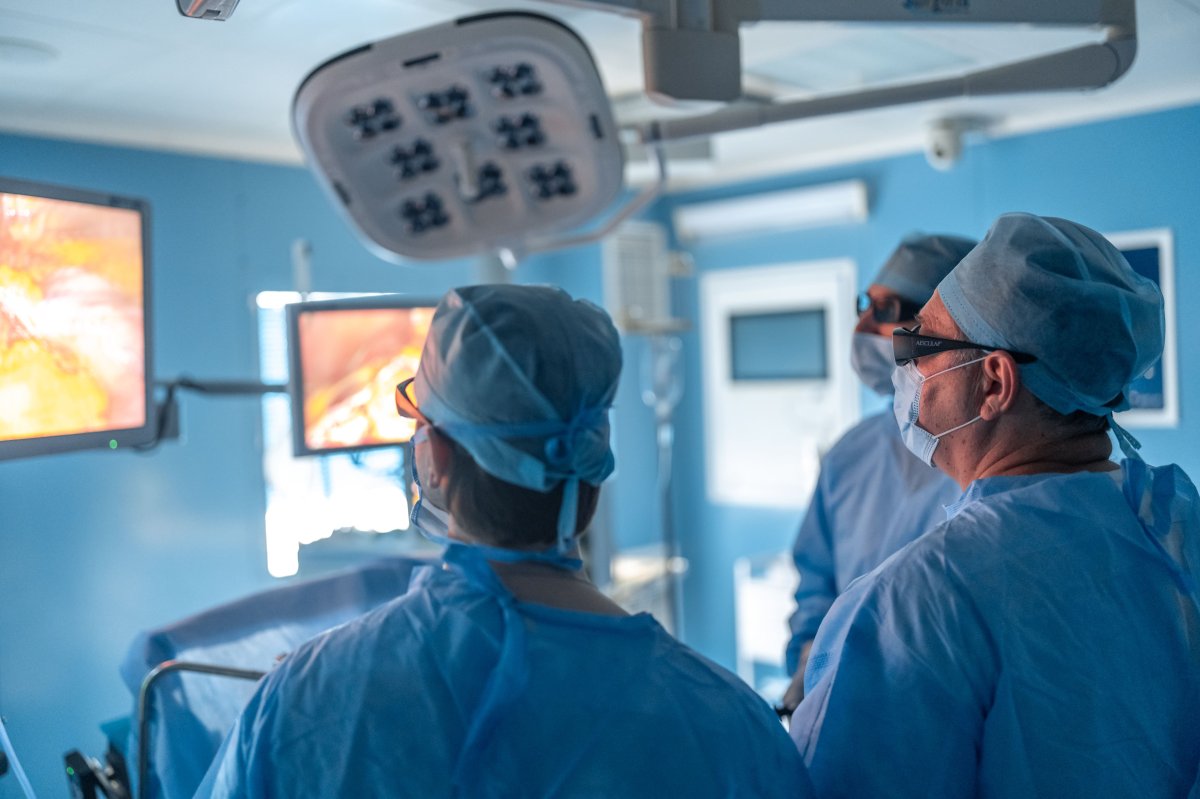
A recent Cleveland Clinic study found that obese patients with progressive fatty liver disease who underwent bariatric surgery significantly lowered their risk of severe liver disease and major cardiovascular events, including heart attacks and strokes, compared to patients who did not have surgery.
Study Details. The study included 1,158 adults diagnosed with non-alcoholic steatohepatitis (NASH) based on liver biopsy results from 2004–2016 at Cleveland Clinic. Patients were followed until March 2021.
Bariatric surgery was performed on 650 patients, while the control group included 508 non-surgical patients. Liver disease severity was comparable among all participants.
Researchers aimed to examine the long-term link between bariatric surgery and the future risk of NASH progression to cirrhosis and serious cardiovascular events in obese patients.
Results. The study found that bariatric surgery reduced the risk of liver disease progression to cirrhosis, liver cancer, and liver-related death by 88%, and lowered the likelihood of major cardiovascular events such as heart attack and stroke by 70%.
Dr. Shanu Kothari, MD, president of ASMBS, said: “No treatment other than bariatric surgery has such a significant effect on reducing the risk of serious outcomes and death in patients with NASH. Bariatric surgery should be considered a first-line treatment for these patients.