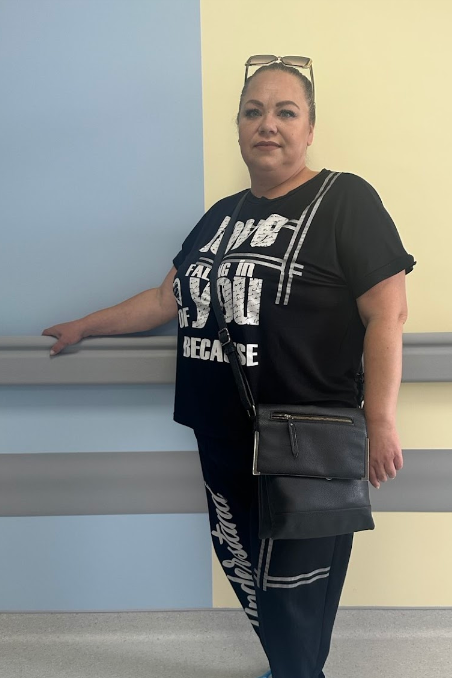



Age 60+ in itself is not a contraindication to bariatric surgery. The 2022 IFSO and ASMBS international guidelines do not set an upper age limit. They advise evaluating overall health status, comorbidities, and frailty, meaning the body's capacity to withstand physical stress. While risks increase with age, the benefits of surgery outweigh them in many cases. The final decision is made after an in-person evaluation.
This is the question I hear most frequently during consultations: "I'm 62, isn't it too late?" Below is how I approach this question.
What International Guidelines State
Until 2022, clinical practice relied on criteria established in 1991, which featured much stricter age boundaries. A joint statement issued by IFSO and ASMBS in 2022 revised these standards. They noted that there is no upper age limit for metabolic and bariatric surgery, and older patients should be considered following a thorough assessment of comorbidities and frailty.
For me, this means a simple concept: it is not about "how old you are," but "what shape your body is in."
What Matters More Than Chronological Age
Two 65-year-old individuals can have completely different health profiles. Therefore, during a consultation, I focus on the following aspects:
- Cardiovascular system. Presence of coronary artery disease, arrhythmias, heart failure, and their degree of compensation.
- Lungs and respiratory function. Sleep apnea, chronic pulmonary conditions, and overall exercise tolerance.
- Mobility and muscle strength. Ability to walk and climb stairs independently, as well as the history of muscle mass loss.
- Comorbidities and medication. Diabetes, hypertension, kidney conditions, anticoagulants, and insulin therapy.
- Capacity to follow postoperative guidelines. Post-surgery recovery requires smaller frequent meals, sufficient protein intake, vitamins, and regular lab tests. This calls for mental clarity and, when necessary, family support.
- Habits. Smoking significantly elevates risks and becomes an even more critical factor with advancing age.
Risks That Increase with Age
I address these candidly with patients:
- Anesthesia and cardiovascular complications. Cardiac disease is more prevalent in older age, requiring closer attention during pre-op preparation and general anesthesia.
- Slower recovery. Tissue healing, regaining stamina, and returning to a routine pace of life can take longer.
- Loss of muscle mass. Rapid weight loss sheds both fat and muscle tissue. Preserving lean mass is essential for older adults, making protein intake and physical activity mandatory.
- Vitamin and mineral deficiencies. Deficiencies in iron, vitamin B12, vitamin D, and calcium can occur post-surgery. Preventative supplementation and routine lab monitoring are required.
- Bone mineral density. Rapid weight reduction can affect bone density, making regular monitoring of vitamin D and calcium levels necessary.
- Dehydration and kidney strain. Patients need to drink small volumes of fluid consistently throughout the day, especially those taking diuretics.
- Medication adjustments. As weight drops, dosages for blood pressure and glucose medications often need downward titration under supervision to avoid sharp hypotensive or hypoglycemic episodes.
How Surgery Can Benefit Patients Over 60
For many older adults, excess weight is directly linked to type 2 diabetes, hypertension, osteoarthritis, and obstructive sleep apnea. Weight loss after surgery can reduce pharmaceutical dependency, relieve joint pain, and restore functional mobility. That is why I do not view age as an automatic disqualifier. Every case is reviewed individually by weighing risks against benefits. For more information on post-op glycemic control, review the article "Type 2 Diabetes After Bariatric Surgery".
Procedures Commonly Considered
There is no single "default" procedure for older patients. General factors include:
- Sleeve gastrectomy is technically simpler and generally results in less pronounced malabsorption of vitamins, though it may exacerbate acid reflux in some individuals.
- Gastric bypass can be more effective for severe diabetes or severe reflux, but requires stricter long-term adherence to vitamin and mineral supplementation.
- The procedure choice depends on BMI, comorbidities, active medications, and patient expectations. It is determined by the surgeon following diagnostic workup.
A detailed comparison is available in the article "Gastric Sleeve or Bypass: Which to Choose?".
The Preparation Process
The diagnostic workup for older patients mirrors standard protocols, with deeper scrutiny given to cardiovascular and respiratory health. It includes consultations with a cardiologist and endocrinologist, ECG and echocardiogram, spirometry, gastroscopy, ultrasound, lower extremity venous duplex scanning, and routine blood tests, including vitamin D3 and metabolic markers. The full checklist is available on our website, and general guidelines are outlined in the article "Preparing for Bariatric Surgery". If test results raise concerns, we review them together, and surgery may be postponed or replaced with alternative management.
When Surgery Should Be Deferred
In certain scenarios, potential risks outweigh surgical benefits. Established contraindications include active malignancies, tuberculosis, type 1 diabetes, advanced hepatic or renal failure, and active peptic ulcer disease. In older adults, severe decompensated heart failure, pronounced frailty, severe sarcopenia, and the inability to maintain postoperative compliance also serve as contraindications. This serves as a clinical guideline rather than an exhaustive list.
Key Takeaway
Being 60+ does not rule out bariatric surgery. It requires more thorough preparation, careful surgical selection, and diligent post-operative follow-up. If you or your family members are considering surgical options, start with an initial consultation: reach out via our contact channels or call 0800-215-486 to discuss clinical details before traveling to Kyiv.
Frequently Asked Questions
Is there an upper age limit for bariatric surgery?
No. Under the 2022 IFSO and ASMBS guidelines, no upper age cutoff is defined. Candidacy depends on overall physiological health and frailty rather than chronological age.
What is the primary risk of undergoing surgery after 60?
The main concerns center around perioperative cardiovascular complications during anesthesia, prolonged recovery times, loss of muscle mass, and post-surgical micronutrient deficiencies.
Will medications need adjustment after the procedure?
Yes. As body mass decreases, requirements for antihypertensive and antidiabetic therapies typically fall. Dosages must be recalibrated with a physician to avoid acute drops in blood pressure or glucose levels.
Which operation is best for older individuals?
There is no universally superior choice. The surgical team selects between sleeve gastrectomy, gastric bypass, or other methods according to BMI, diabetic profile, reflux history, medication profile, and overall physical condition.
Where should someone over 60 begin?
With an initial surgeon consultation. Provide your height, weight, age, full medical history, and medication list, and the surgeon will outline the required pre-operative tests.
This information is intended for educational purposes and does not substitute for direct medical advice. Final treatment decisions are made by the bariatric surgeon following an in-person assessment.
Bariatric Surgery Consultation
Provide your age, current weight, and relevant health history, and our surgical team will evaluate your candidacy. Consultations are available daily from 08:00 to 20:00.