Bariatric Surgery Center in Kyiv

Bariatric Surgery and Stomach Resection: What’s the Difference?

Helping patients change their lives with modern bariatric surgery.

0800-215-486 Mon - Sun: 08:00 - 20:00
Bariatric Surgery Types
Types of Bariatric Surgery

Bariatric Surgery and Stomach Resection: What’s the Difference?

I am a bariatric surgeon, and I am often asked: what’s the difference between bariatric surgery and stomach resection?

🔹 Bariatric surgery is a branch of surgery that helps people lose weight and improve health issues related to obesity. There are several types of bariatric procedures, which you can explore on this page.

Some common procedures include:

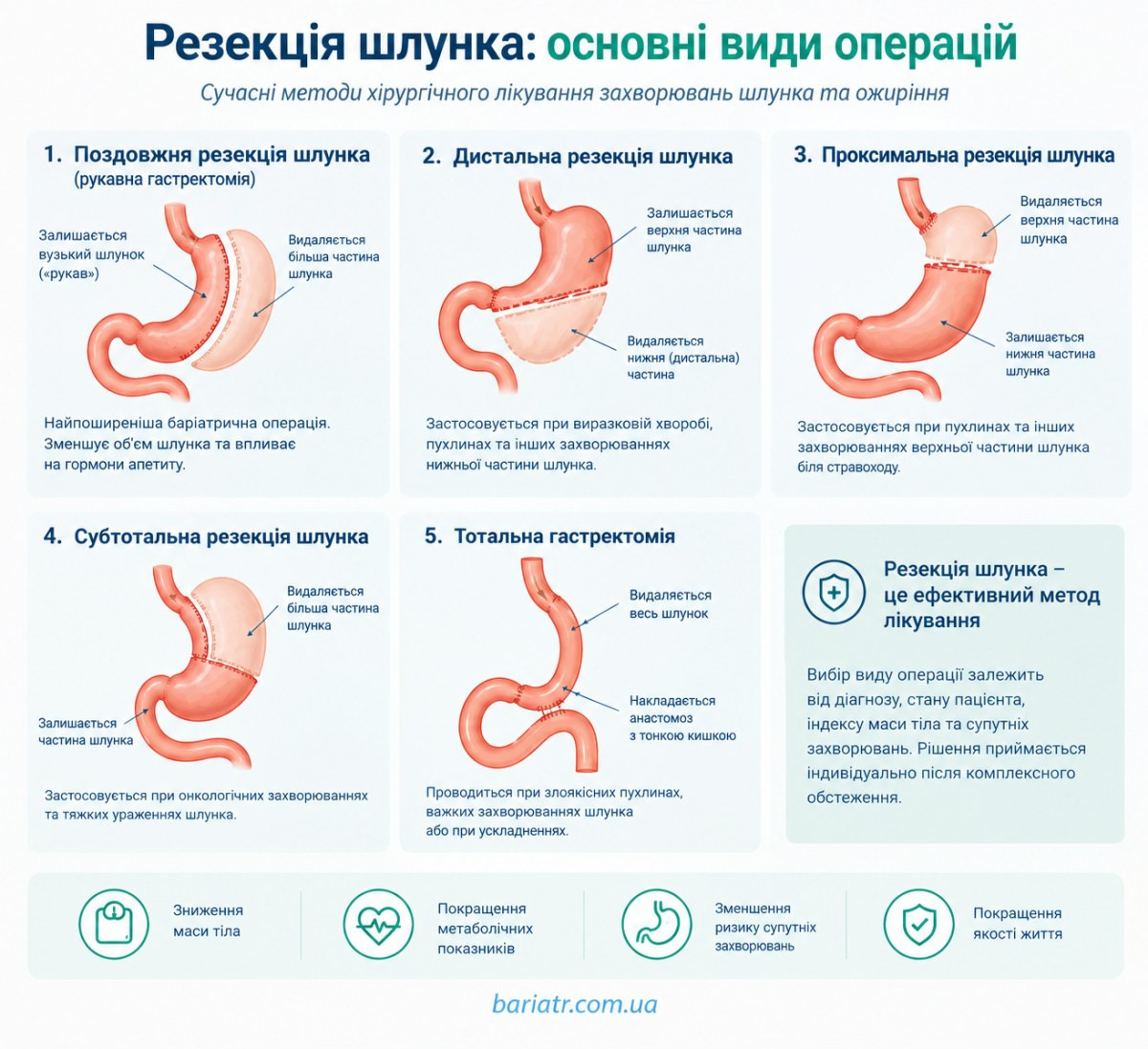
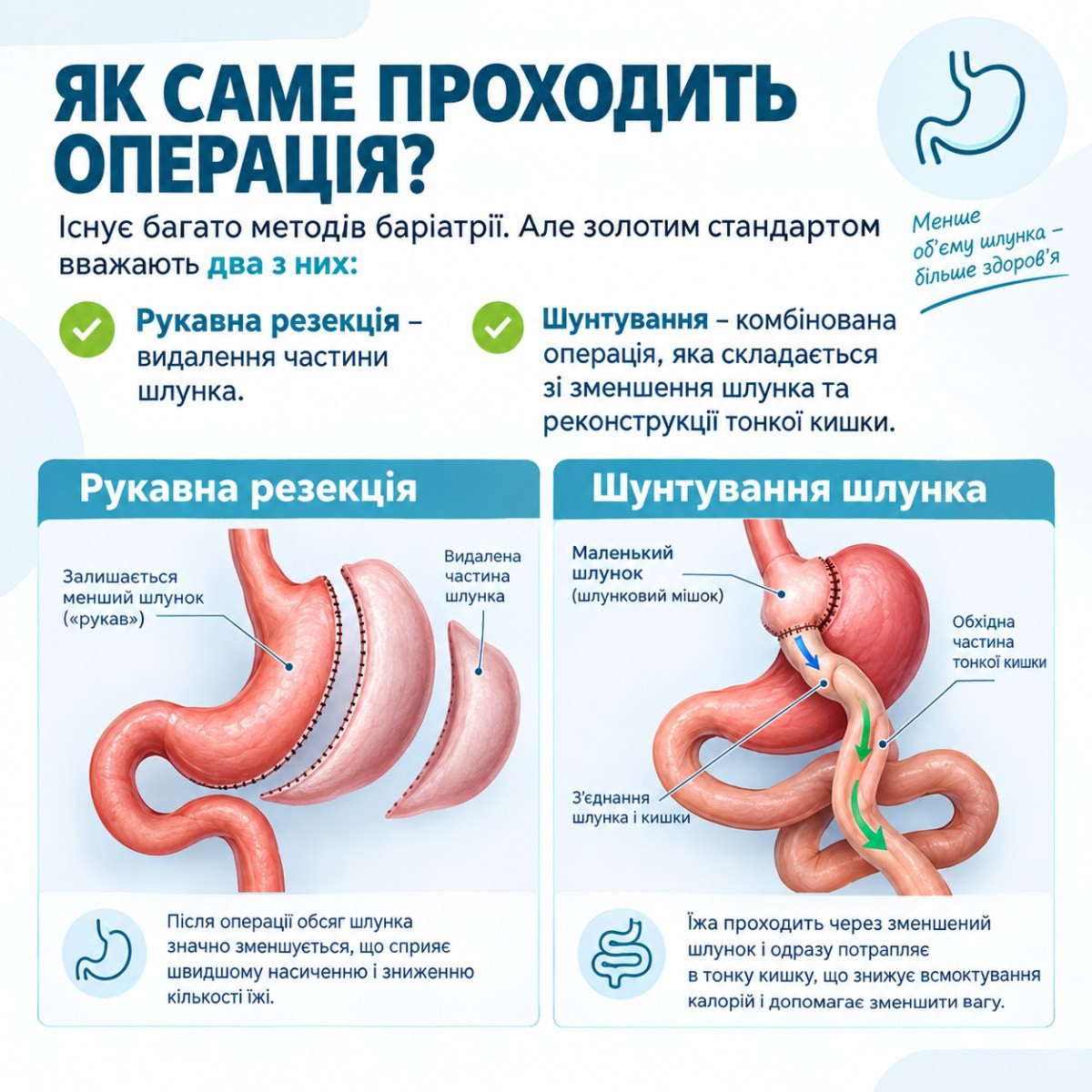
🔹 Stomach resection (sleeve) is just one of these methods. During the procedure, about 70–80% of the stomach is removed, leaving a narrow “tube”.
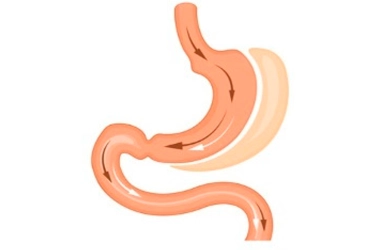
Sleeve Gastrectomy

This allows patients to feel full faster and reduces hunger, as less “hunger hormone” - ghrelin - is produced.

📌 In simple terms: bariatric surgery is the whole field of weight-loss surgery, while stomach resection is just one method within it.

I am a bariatric surgeon, and I am often asked: what’s the difference between bariatric surgery and stomach resection?

🔹 Bariatric surgery is a branch of surgery that helps people lose weight and address health problems related to obesity. There are several types of bariatric procedures, and you can explore them on this page.

Some common procedures include:

🔹 Stomach resection (sleeve) is just one of these methods. During the procedure, about 70–80% of the stomach is removed, leaving a narrow “tube”.

Sleeve Gastrectomy

This allows patients to feel full faster and reduces hunger, as less “hunger hormone” - ghrelin - is produced.

📌 In simple terms: bariatric surgery is the whole field of weight-loss surgery, while stomach resection is just one method within it.
What is the difference between bariatric surgery and sleeve gastrectomy?

The main difference is that bariatric surgery is a general field of surgical treatment for obesity, while sleeve gastrectomy is a specific surgical procedure.

Bariatric surgery includes several methods designed to help reduce excess body weight and improve health conditions associated with obesity. Sleeve gastrectomy is one of the main procedures used in this field.

Therefore, bariatric surgery and sleeve gastrectomy are not two completely separate treatment options. Sleeve gastrectomy is one of the procedures within bariatric surgery.

How does sleeve gastrectomy work?

During the procedure, the surgeon removes a large portion of the stomach. The remaining part forms a narrow vertical stomach pouch that resembles a tube or sleeve.

The volume of the stomach becomes significantly smaller after surgery. As a result, a person can feel full after eating smaller portions of food.

The effect of the operation is not limited to reducing stomach capacity. Sleeve gastrectomy also affects hormonal mechanisms involved in appetite regulation. A significant amount of ghrelin, a hormone involved in hunger regulation, is produced in the part of the stomach that is removed during surgery.

Therefore, the operation can influence both the amount of food a person can consume and some of the physiological mechanisms that regulate appetite.

However, the long-term outcome depends not only on the surgery itself. Follow-up medical care, nutrition, physical activity and adherence to medical recommendations all play an important role.

What types of bariatric surgery are available?

Modern bariatric surgery includes several major procedures.

Sleeve gastrectomy

Sleeve gastrectomy reduces the size of the stomach without changing the normal passage of food through the intestines. It is one of the most commonly performed surgical procedures for obesity.

Gastric bypass

During gastric bypass surgery, a small stomach pouch is created and the route of food through part of the small intestine is changed. This procedure has both restrictive and metabolic effects.

Biliopancreatic diversion

This is a more complex type of bariatric surgery that may be considered for selected patients with severe obesity or specific metabolic indications.

Other procedures

Bariatric surgery also includes specialized techniques and procedures that have been developed over time. The choice of operation depends on the individual clinical situation.

Which is better: sleeve gastrectomy or gastric bypass?

There is no single answer that applies to every patient.

Both procedures can be effective methods of treating obesity, but they differ in their mechanisms of action, anatomical changes and long-term follow-up requirements.

When selecting a surgical method, we consider:

  • body mass index (BMI);
  • type 2 diabetes;
  • hypertension and other obesity-related conditions;
  • gastroesophageal reflux disease;
  • eating habits and dietary behavior;
  • previous abdominal surgery;
  • overall health and examination results.

For this reason, the most appropriate surgical method should be determined individually after a consultation with a bariatric surgeon.

Benefits and important considerations of sleeve gastrectomy

Sleeve gastrectomy has several important characteristics.

Potential advantages of the procedure include:

  • no need to alter the anatomy of the intestines;
  • reduction in stomach capacity;
  • an effect on appetite-regulating mechanisms;
  • the possibility of laparoscopic surgery;
  • no need for implants or other artificial devices.

At the same time, it is important to understand that sleeve gastrectomy is a major surgical procedure with certain limitations and potential risks.

The operation is considered irreversible. After surgery, patients need to gradually adapt their eating habits, follow physical activity recommendations and attend regular medical follow-up appointments.

Some patients may experience or develop gastroesophageal reflux symptoms after surgery. This is why reflux disease and other gastrointestinal conditions should be considered when selecting the most appropriate treatment method.

Who may be considered for bariatric surgery?

Bariatric treatment may be considered for patients with obesity when excess body weight significantly affects their health and quality of life, and conservative treatment methods have not provided sufficient results.

When evaluating whether surgery may be appropriate, we consider more than body weight alone. Important factors include:

  • body mass index;
  • duration and severity of obesity;
  • obesity-related metabolic conditions;
  • previous attempts at weight loss;
  • overall health;
  • the ability to safely undergo surgery and participate in long-term follow-up.

The decision to proceed with surgical treatment should be made after a comprehensive medical evaluation and consultation with the appropriate specialists.

How is a patient prepared for bariatric surgery?

Preparation is an important part of bariatric treatment.

It usually includes:

  1. consultation with a bariatric surgeon;
  2. assessment of BMI and general health;
  3. laboratory testing;
  4. examination of the gastrointestinal tract;
  5. cardiovascular assessment;
  6. consultation with an anesthesiologist;
  7. selection of the most appropriate surgical procedure.

Depending on the patient's condition, additional consultations with an endocrinologist, gastroenterologist, cardiologist or other specialists may be necessary.

The purpose of the preoperative evaluation is not only to determine whether surgery can be performed safely, but also to select the most appropriate treatment strategy.

Recovery after sleeve gastrectomy

The postoperative period is an important part of successful bariatric treatment.

Eating habits after sleeve gastrectomy change gradually. During the first days and weeks, a structured diet progression is used to help the body adapt to the new stomach capacity.

Over time, particular attention is paid to:

  • adequate protein intake;
  • maintaining proper hydration;
  • gradual return to physical activity;
  • monitoring laboratory parameters;
  • taking vitamin and mineral supplements when recommended by a physician;
  • regular follow-up appointments.

Sleeve gastrectomy should not be viewed as a temporary or quick weight-loss solution. It is a treatment method for a chronic disease that requires long-term changes in eating habits and lifestyle.

Is it possible to regain weight after bariatric surgery?

Yes. Partial or significant weight regain may occur after bariatric surgery.

The long-term result can be influenced by eating habits, physical activity, individual metabolic characteristics and adherence to medical recommendations.

For this reason, bariatric surgery should not be considered a single isolated event in treatment. Long-term medical follow-up and support remain important after the procedure.

Bariatric surgery is a field of surgical treatment for obesity that includes several different procedures.

Sleeve gastrectomy is one of the main bariatric procedures. During the operation, the size of the stomach is reduced, which helps control food intake and affects the mechanisms involved in appetite regulation.

The choice between sleeve gastrectomy, gastric bypass and other procedures depends on the individual characteristics of the patient, associated medical conditions and examination results.

The final decision regarding the most appropriate surgical method should be made together with a bariatric surgeon after a comprehensive medical evaluation.

Frequently Asked Questions

Is sleeve gastrectomy a bariatric procedure?

Yes. Sleeve gastrectomy is one of the main procedures used in bariatric surgery.

What is the difference between bariatric surgery and sleeve gastrectomy?

Bariatric surgery is the general field of surgical treatment for obesity, while sleeve gastrectomy is a specific operation within this field.

Which is better: sleeve gastrectomy or gastric bypass?

Both procedures can be used to treat obesity. The choice depends on individual medical indications, associated conditions and the patient's overall health.

Is the entire stomach removed during sleeve gastrectomy?

No. During sleeve gastrectomy, part of the stomach is removed, while the remaining portion forms a narrow stomach pouch.

Is sleeve gastrectomy reversible?

Sleeve gastrectomy is generally considered an irreversible surgical procedure.

Are vitamins needed after sleeve gastrectomy?

Some patients require vitamin and mineral supplementation after surgery. The need for supplementation and its composition should be determined by a physician based on individual laboratory results and medical follow-up.

Can obesity be treated without surgery?

Conservative treatment methods can be effective for some patients. However, in cases of severe obesity and obesity-related health conditions, bariatric surgery may be considered as part of a comprehensive treatment plan.


Author and medical expert

Surgeon and bariatric surgeon at the Bariatric Surgery Center based at Kyiv City Clinical Hospital No. 1. Specialization: bariatric and laparoscopic surgery.

Published
Last updated
Medical review
This material has been medically reviewed by a physician
This material was prepared in accordance with current clinical recommendations ASMBS, IFSO та NICE. This information is for educational purposes and does not replace a medical consultation.

Patient reviews

Our patients share their experiences after bariatric surgery.

В

Volodymyr

★★★★★ 8 months ago
Google Reviews
I sincerely thank the Bariatric Surgery Center team for their professionalism and compassionate care. Special thanks to Serhii Trepet and Tair Emir-Useinov for their attention, support and high-quality treatment. The entire medical team was always available and helped at every stage. I can confidently recommend the clinic to anyone considering bariatric surgery.
Volodymyr after bariatric surgery
С

Svitlana

★★★★★ 11 months ago
Google Reviews
I am very glad that I chose this clinic. After sleeve gastrectomy, I felt that I was under reliable medical supervision. The doctors answered all my questions in detail and supported me throughout recovery. Eight months have now passed, and I am very satisfied with the result. Thank you to the entire team for your care and professional support.
Svitlana after bariatric surgery
О

Olha

★★★★★ 1 year ago
Google Reviews
I do not usually leave reviews, but this time I wanted to share my experience. The conditions were very comfortable, the medical staff were attentive, and there was continuous support after surgery. My sincere thanks to Dr. Tair for his professionalism, care and responsible approach. The result exceeded my expectations, so I am happy to recommend the clinic.
Olha after bariatric surgery