


Our Features:

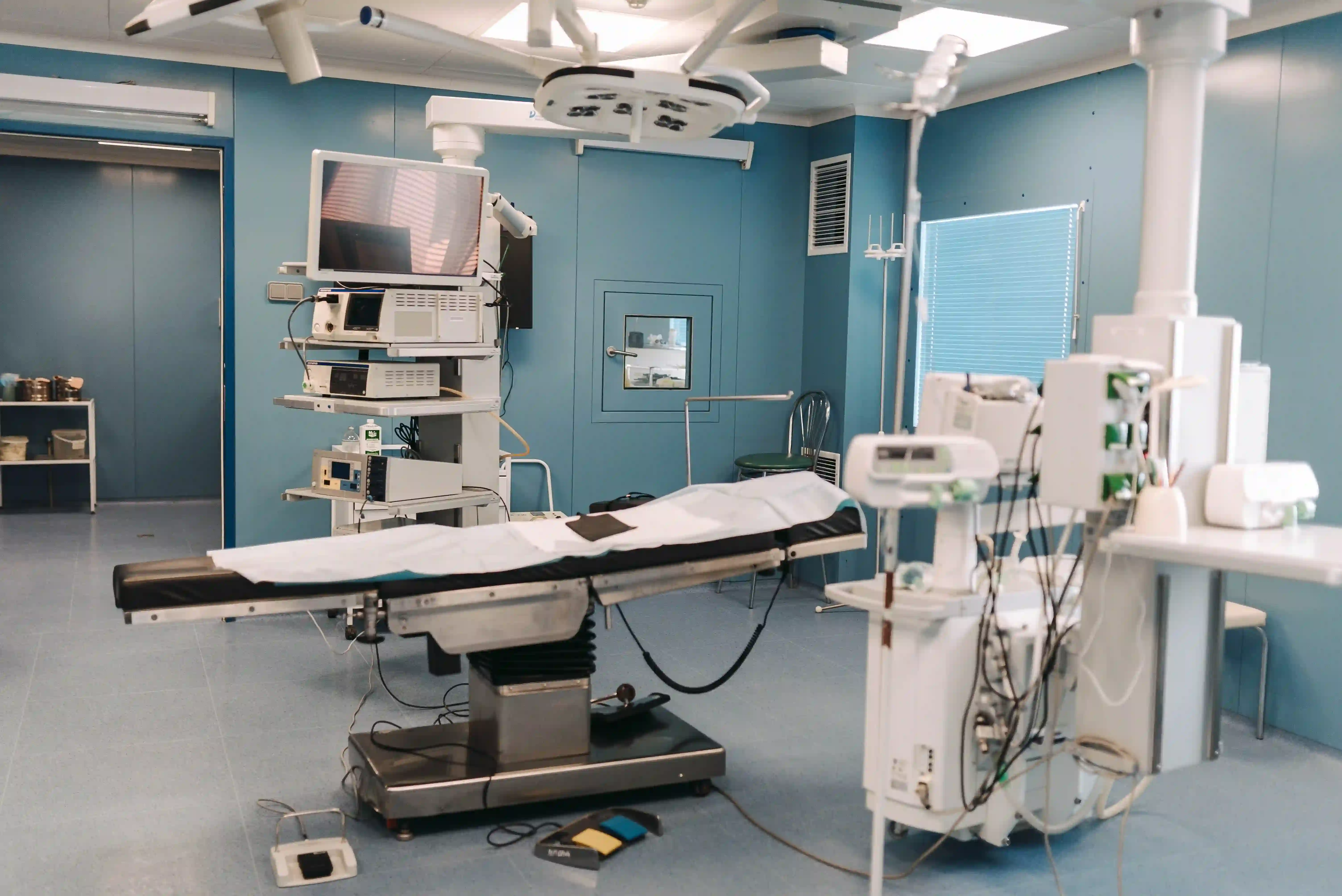
Minimally Invasive Surgeries

Reduced risk of postoperative complications due to minimal trauma to the body.

Comfort

Comfortable hospital rooms equipped with showers and a staff call system.

Highly Qualified Doctors

Our surgeons have performed thousands of successful surgeries.

Biliopancreatic bypass surgery is a procedure that combines two mechanisms aimed at eliminating excess weight:

During the surgical procedure, part of the stomach is resected to reduce its volume. Additionally, a significant section (about three-quarters) of the small intestine is excluded from the digestive process, causing malabsorption – the impaired absorption of nutrients.

The surgeon makes several small incisions in the epigastric area, removes part of the stomach, and forms a tube from the remaining part with a volume of 200 ml. Then, they sever the duodenum and connect the remaining part of the stomach to the preserved part of the small intestine.

In the next stage, intestinal reconstruction is performed – a part of the intestine that delivers bile and pancreatic juice (enzymes necessary for digestion) is connected to the terminal section of the small intestine. This section will be where digestion occurs. The consumed food will enter through the alimentary loop, while the enzymes will pass through the biliopancreatic loop.

After the operation, the length of the small intestine where food is broken down and absorbed is reduced several times (from several meters to half a meter), causing most of the food mass to reach the large intestine and be excreted undigested.

Results of the Surgery

Thanks to the surgical intervention, the volume of food consumed is reduced by 4-5 times, and the absorption of consumed calories is significantly decreased, leading to constant and effective weight loss.

Additionally, biliopancreatic bypass surgery affects the gastrointestinal hormones and the satiety center, eliminating hunger and controlling blood sugar levels. Most diabetics stop using insulin injections and medication for lowering blood sugar after the operation.

Biliopancreatic Bypass: Advantages and Disadvantages

The undeniable benefits of this method include:

  • Elimination of excess weight;
  • Normalization of metabolism;
  • No dietary restrictions;
  • Minimal risk of postoperative complications;
  • Relief from existing obesity-related complications and comorbidities.

Biliopancreatic bypass is highly effective compared to other techniques, especially for individuals consuming excessive amounts of high-calorie foods, for whom other bariatric methods that only reduce the stomach are not sufficiently effective. However, this method also has drawbacks:

  • Chronic deficiency of vitamins and minerals, requiring constant monitoring and adjustment of their levels in the body;
  • The need for regular visits to a gastroenterologist and surgeon;
  • Higher rates of postoperative complications compared to other techniques.

Pregnancy is contraindicated within 1-2 years following the surgery.

Our Reviews

Stories and reviews from our patients

All reviews

Our Specialists


Sergey Olegovich Trepet

Surgeon of the highest category. Candidate of Medical Sciences. Work experience – 40 years.

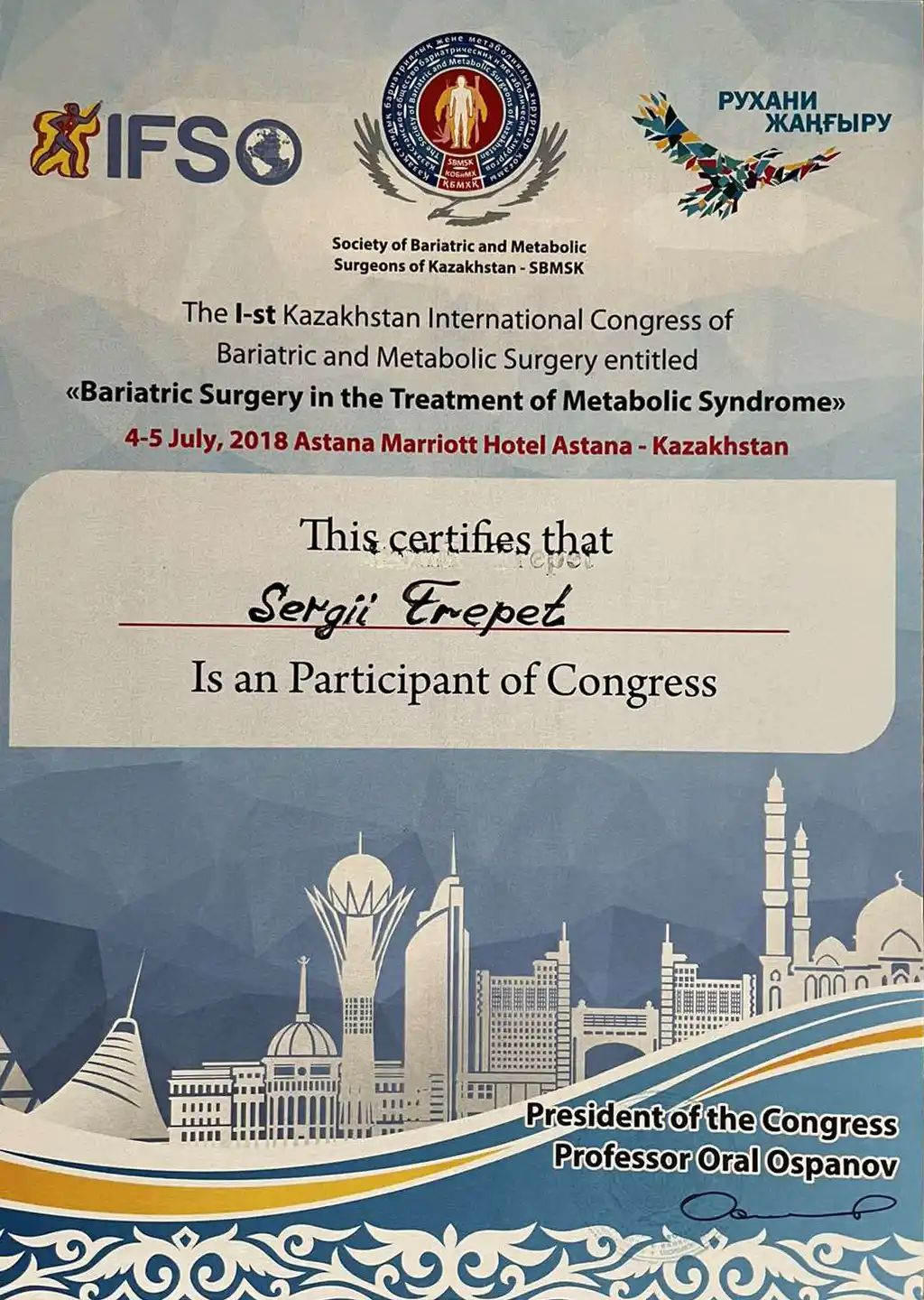
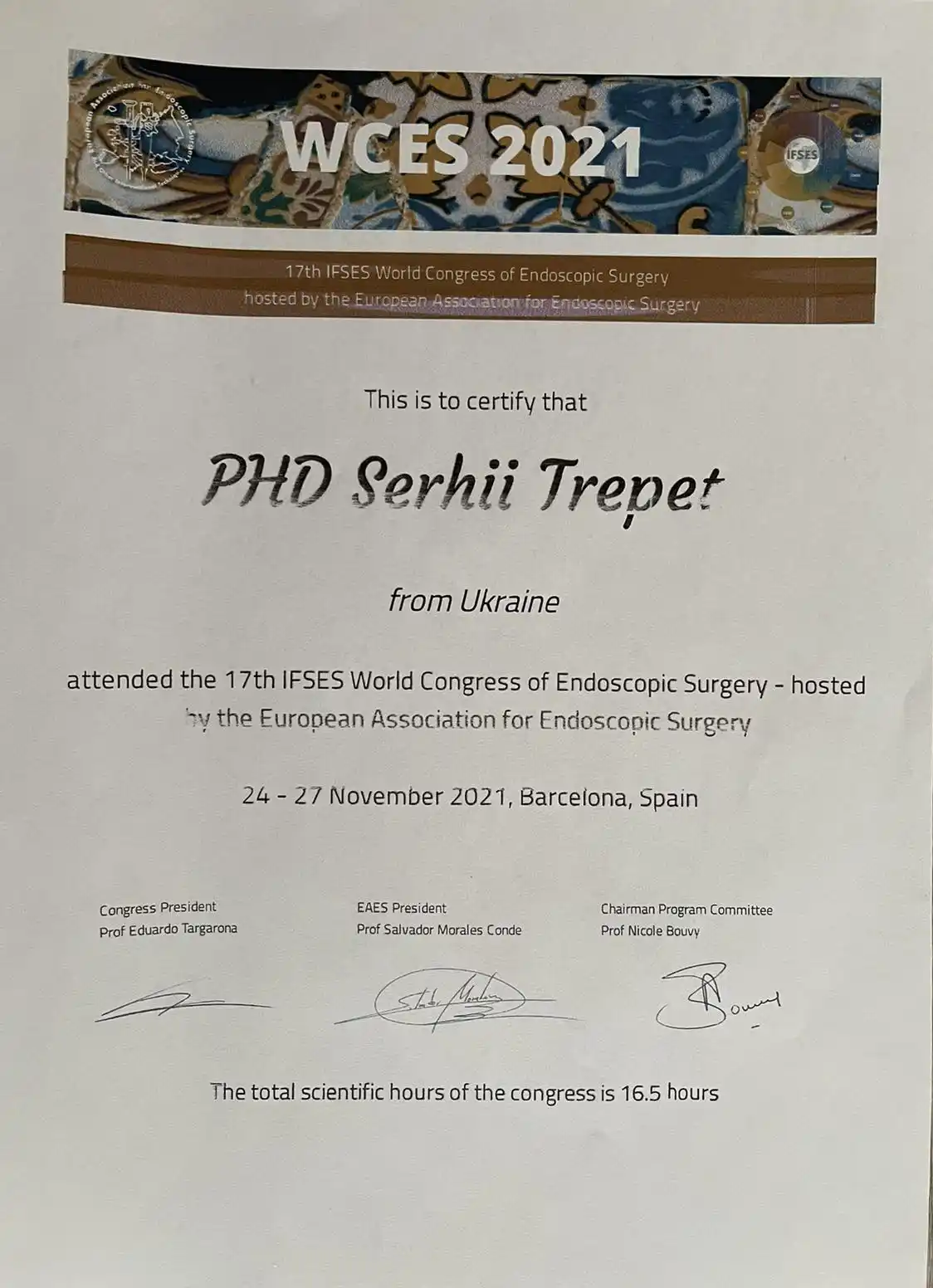
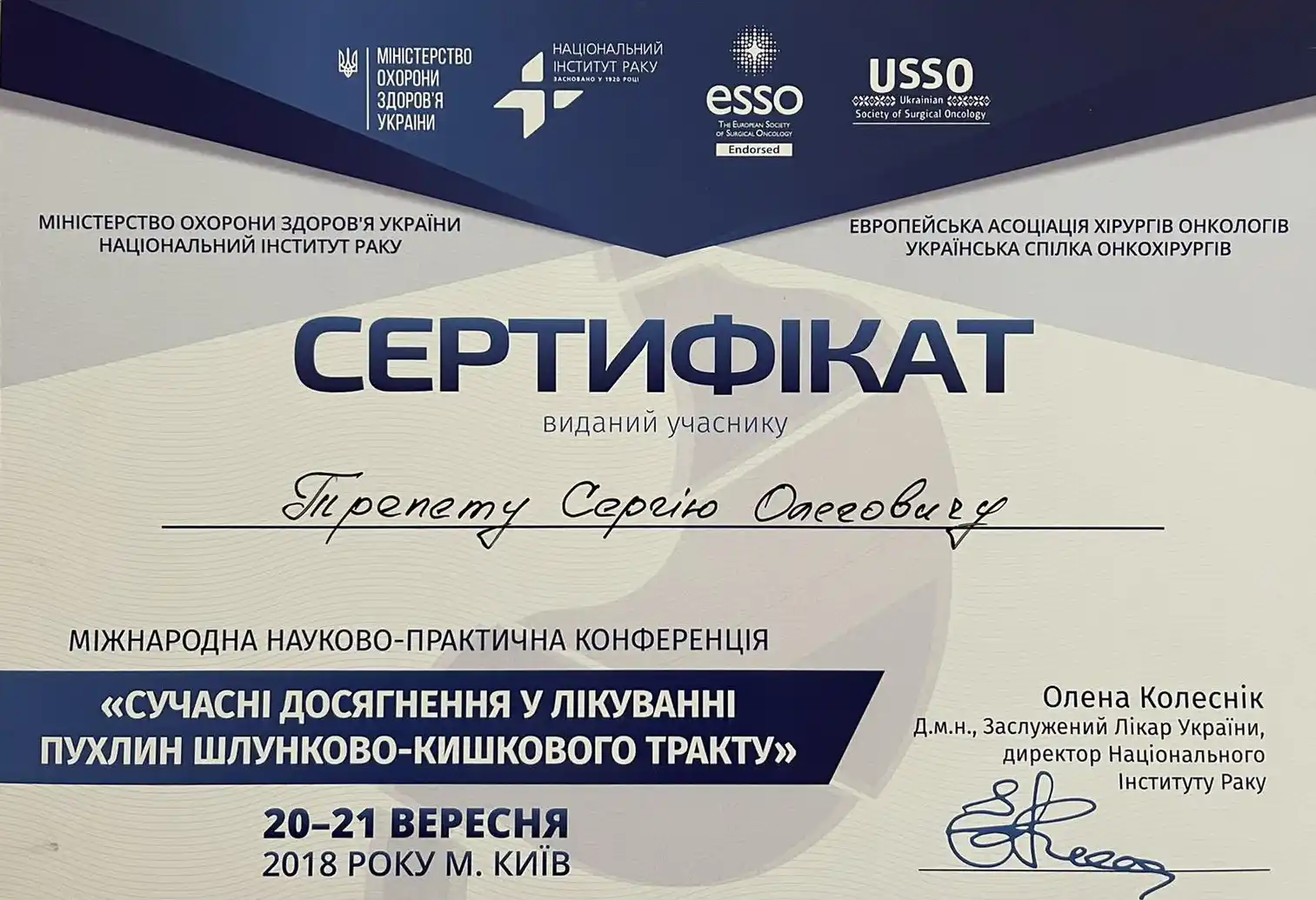
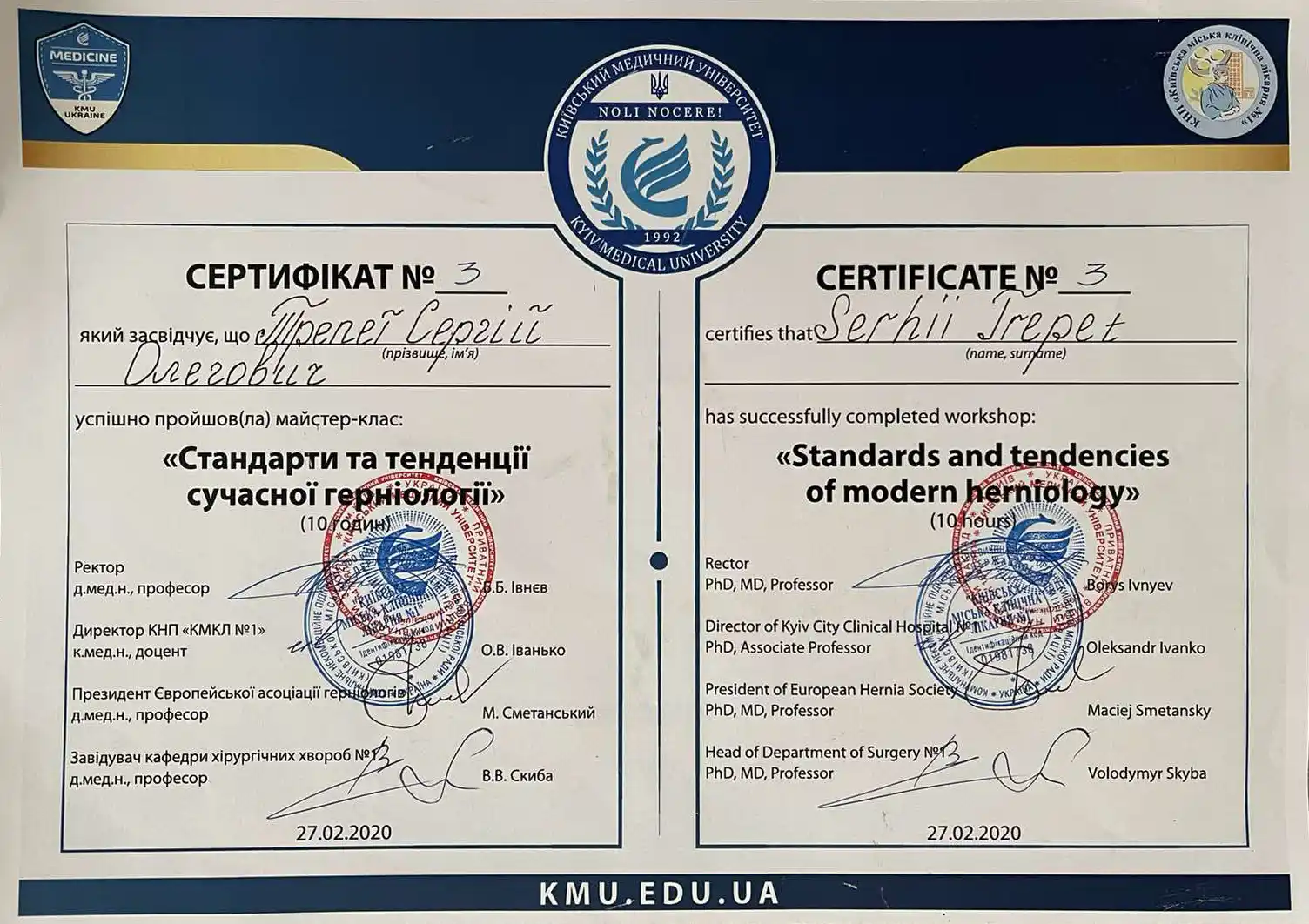
International certificates:
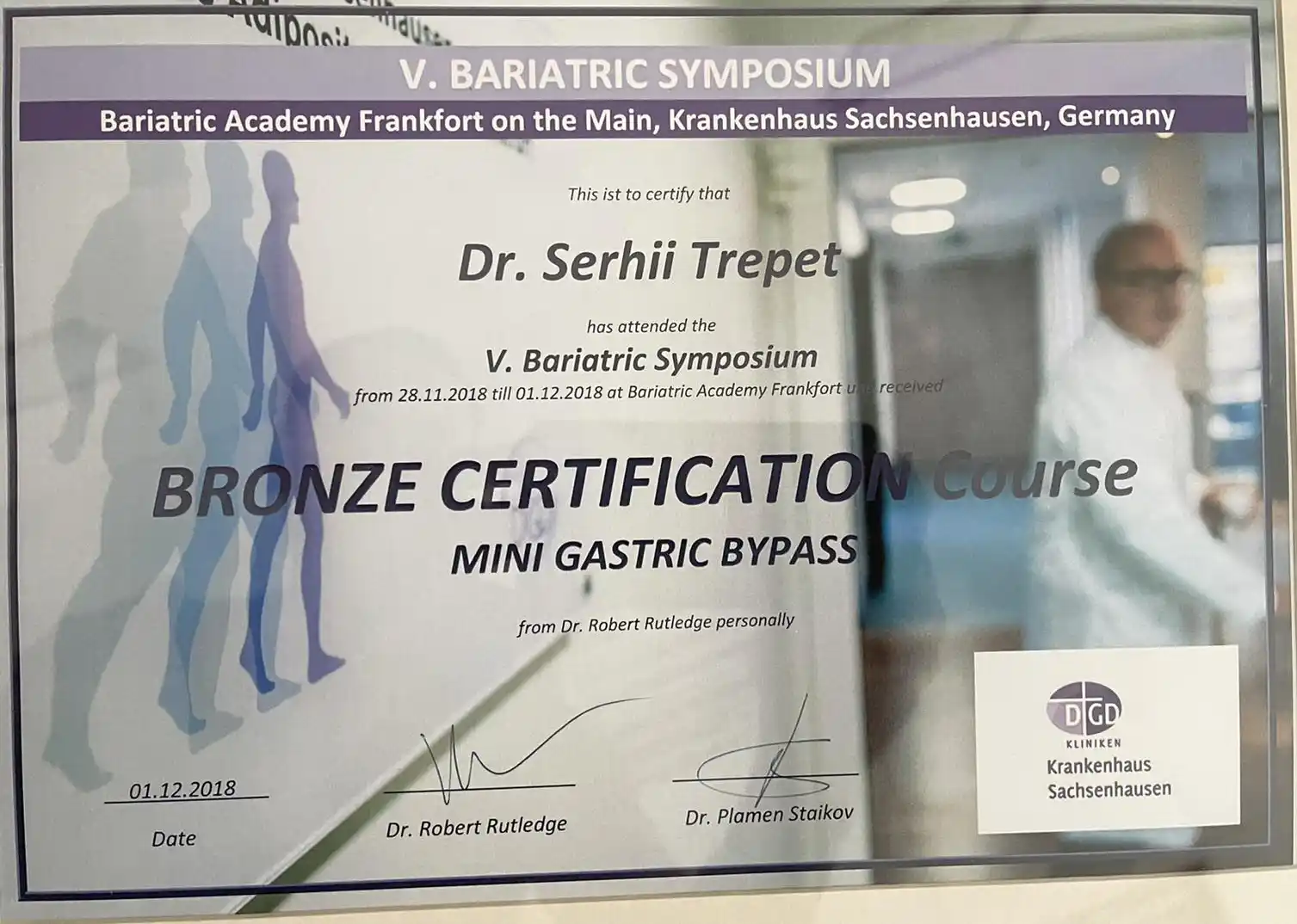
✔MGB Bronze Certification Course 2018,
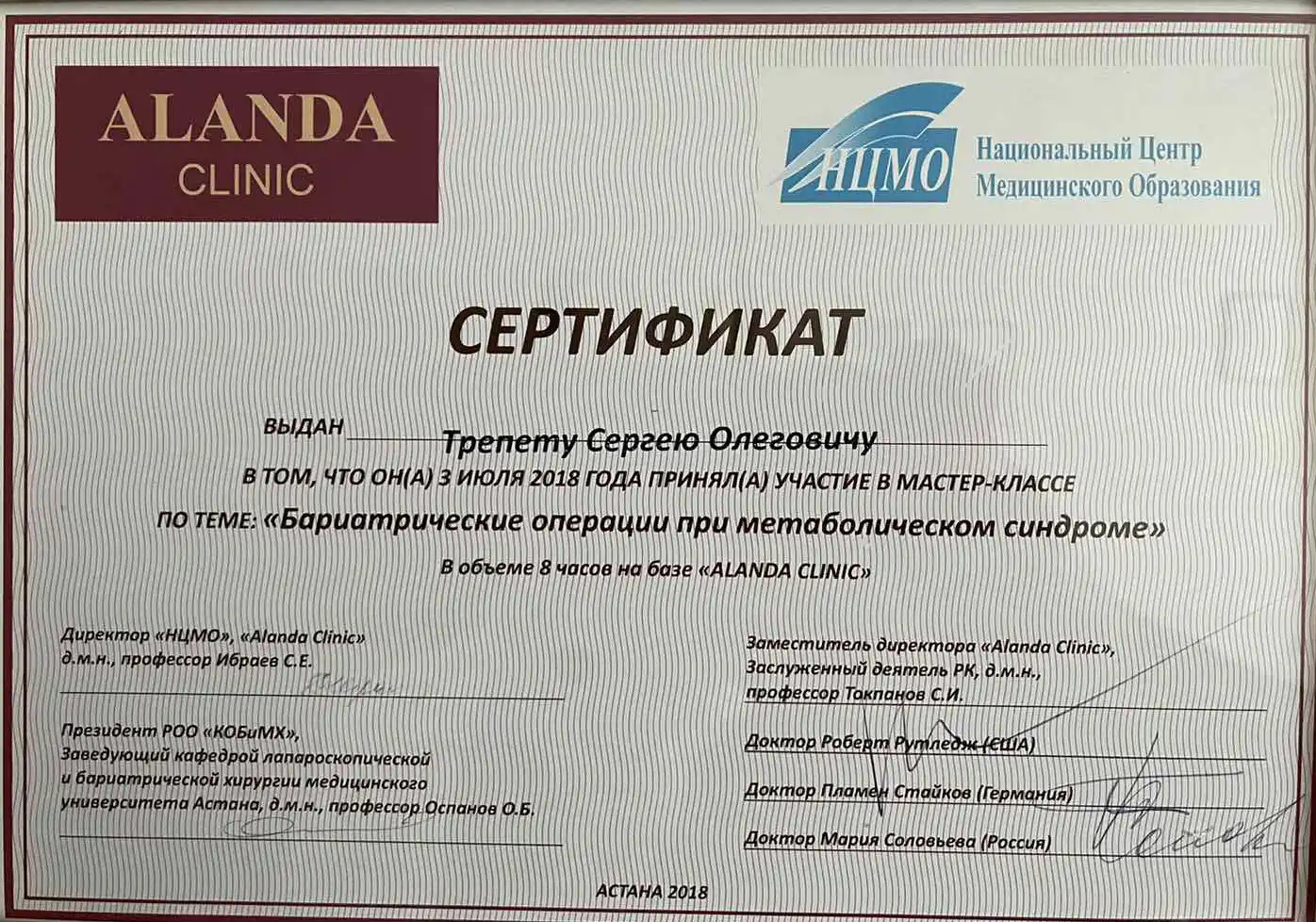
✔Operations kurz Master Class
✔Bariatric Surgery 2018, 2019


Our Certificates


Our Department


Online Consultation 24/7

Frequently Asked Questions


The surgery is recommended if a patient needs to quickly and significantly reduce body weight, and conservative methods do not yield the desired effect. It is most often performed on individuals with severe obesity (body mass index greater than 40 kg/m²) accompanied by comorbidities such as type 2 diabetes, hypertension, arthritis, obstructive sleep apnea, and high cholesterol levels.

The surgery is contraindicated in cases of stomach ulcers, liver and kidney failure, tuberculosis, type 1 diabetes, cancer, mental disorders, pregnancy, and breastfeeding. Surgical intervention (except in specific cases) is not performed on individuals between the ages of 18 and 65.

Biliopancreatic diversion helps to lose 80-90% of body weight. About 70% of the weight loss is achieved within the first 16-18 months.