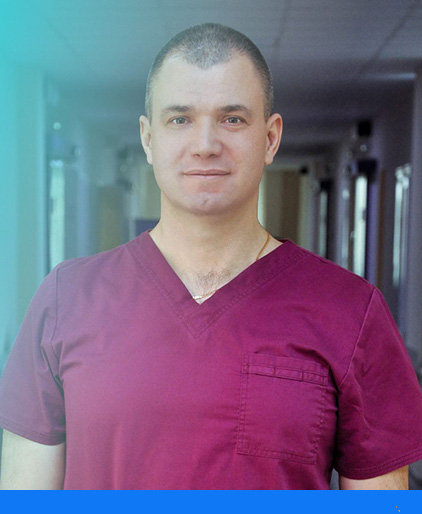
Ivancko Alexander Viktorovich
Surgeon of the highest category. Candidate of Medical Sciences. 25 years of experience.
Associate Professor of the Department of Surgical Diseases and Honored Doctor of Ukraine.
We perform gastric banding using innovative technologies and high-quality materials.
Kyiv, Kharkivske Shosse 121.
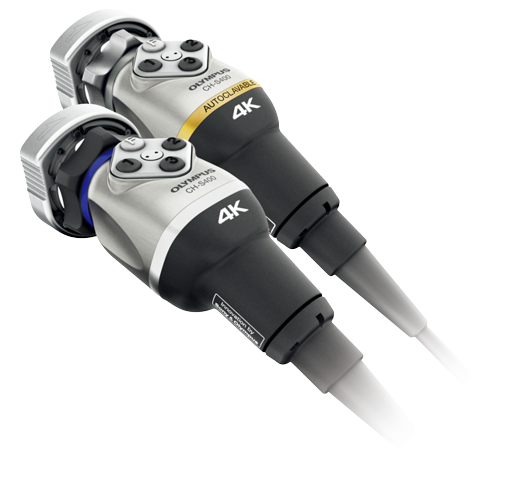
During the surgery, performed using the laparoscopic method, a gastric band is placed on the upper part of the stomach, just below the esophagus. As a result, the organ takes the shape of an hourglass and is divided into two parts: the small (up to 50 milliliters) and large stomachs. The food is digested in the large stomach, which gradually passes into the small section.
The gastric band is a special system consisting of a hollow ring (made of latex) and a port for control. The port is a tube with an expansion that is brought to the subcutaneous layer near the navel. The ring is filled with fluid (usually saline) through the port. As a result, the cuff inflates and presses on the receptors of the upper part of the stomach, which are responsible for the feeling of fullness and send response signals to the brain.
The width of the opening between the stomach sections can be adjusted. The more fluid is injected into the cuff, the narrower the opening becomes. This parameter is calibrated during the surgery, taking into account the individual needs of the patient. Calibration is then performed every 3-6 months, gradually narrowing the opening.

By reducing the upper part of the stomach, the amount of food consumed at one time is significantly limited, which promotes weight loss. Additionally, the feeling of fullness lasts longer, as the emptying of the stomach due to the narrowing of the opening takes time.
The gastric band allows:
prevention of overeating;
elimination of hunger;
reduction in calorie intake by decreasing portion sizes;
normalization of metabolism;
fat burning;
significant weight reduction (by 50-60%).
This is the safest and most gentle method of bariatrics, with many advantages:
preservation of the anatomical integrity of the gastrointestinal tract;
reversibility of the procedure – the band can be removed at any time;
minimal risk of complications and vitamin and mineral deficiencies;
quick rehabilitation – the patient is discharged from the hospital within 24 hours;
no feeling of hunger;
no need for exhausting physical exercises;
ability to regulate the intensity of weight loss.
The disadvantages of the method include:
the need to be under medical supervision;
the need for periodic adjustments;
potential remote complications (appearance of erosions and ulcers at the contact points, slippage of the band, dislocation, or damage to the connecting tube).
Surgeon of the highest category. Candidate of Medical Sciences. 25 years of experience.
Associate Professor of the Department of Surgical Diseases and Honored Doctor of Ukraine.

Surgeon of the highest category. Candidate of Medical Sciences. 40 years of experience.

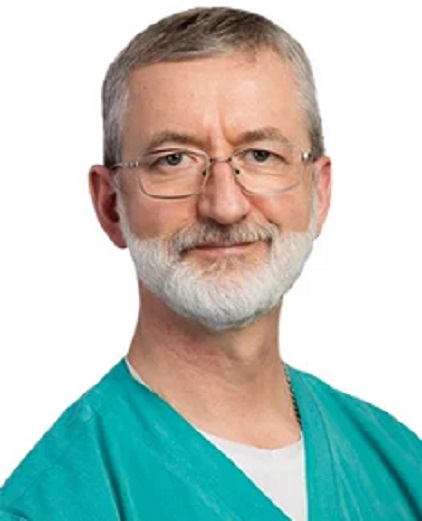
Anesthesiologist of the highest category. 39 years of experience.









Gastric banding is recommended for people with a body mass index (BMI) of 35-45 kg/m².
Banding should not be performed if:
hormonal disorders;
serious cardiovascular pathologies;
severe internal organ diseases;
infectious diseases;
malignant tumors;
age under 17 years;
pregnancy;
alcoholism.
Two weeks before the surgery, you should stop taking nonsteroidal anti-inflammatory drugs and hormonal medications, and one week before, exclude fatty foods, fried dishes, pastries, and foods rich in carbohydrates from your diet.
For 2-3 weeks, you need to eat liquid food, then semi-liquid food. Solid food is allowed only after 5 weeks.
The band is completely safe for health, which allows it to stay in the body for a lifetime. However, it can be removed at the patient's request, but not earlier than six months after achieving the desired effect.
Yes. In the case of non-adjustable banding, the silicone ring is replaced with a polypropylene mesh strip. In this case, the diameter of the opening remains fixed.