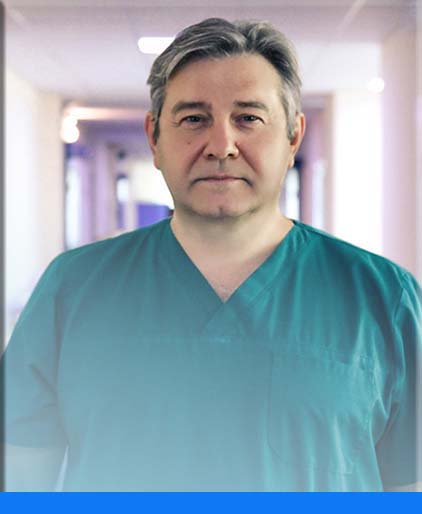
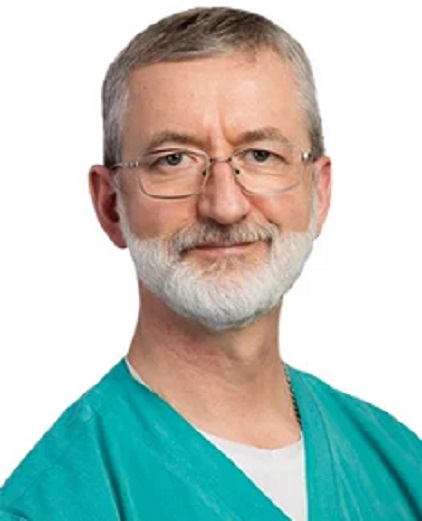
Trepiet Sergey Olegovich
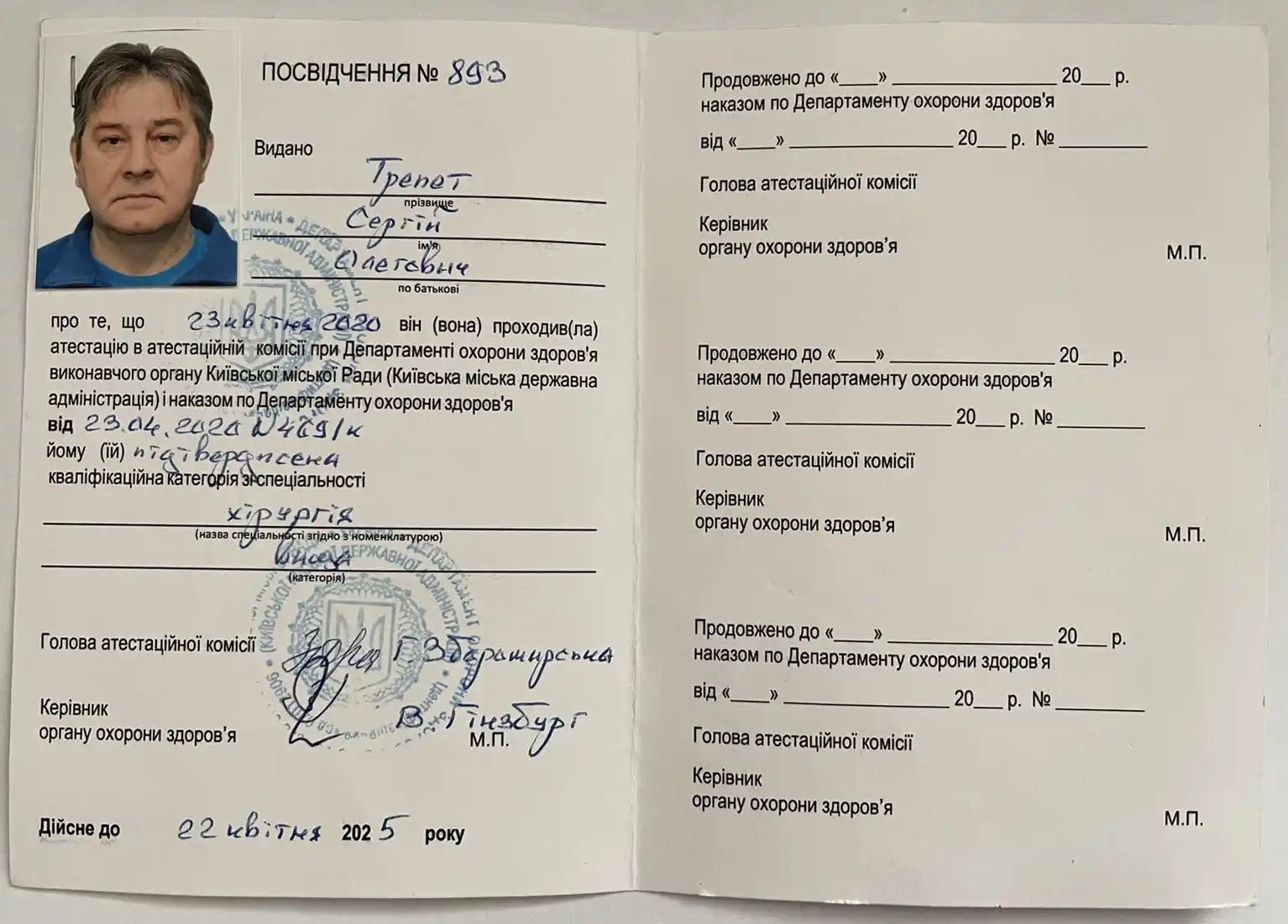
Surgeon of the highest category. Medical science candidate. 40 years of experience.
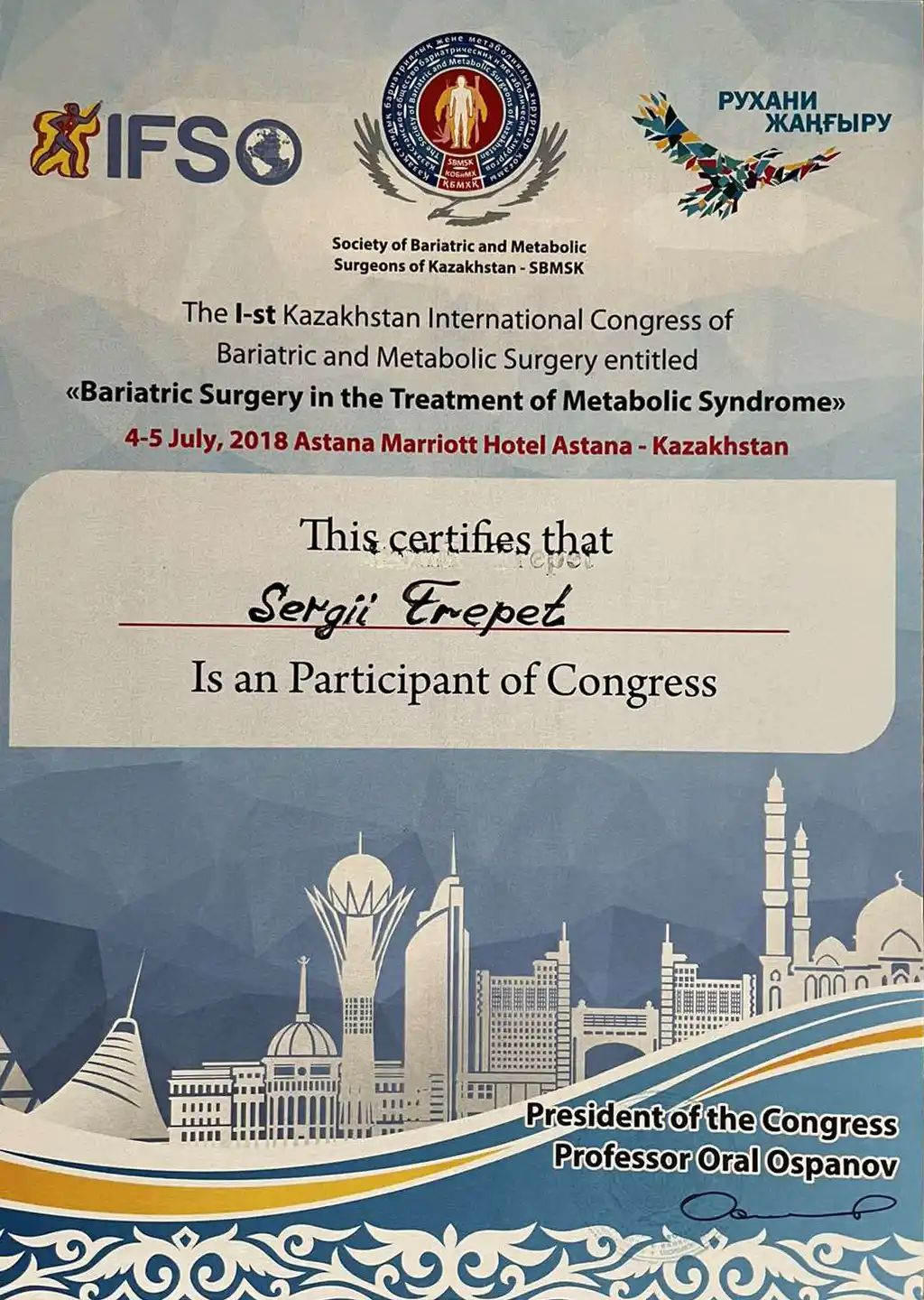
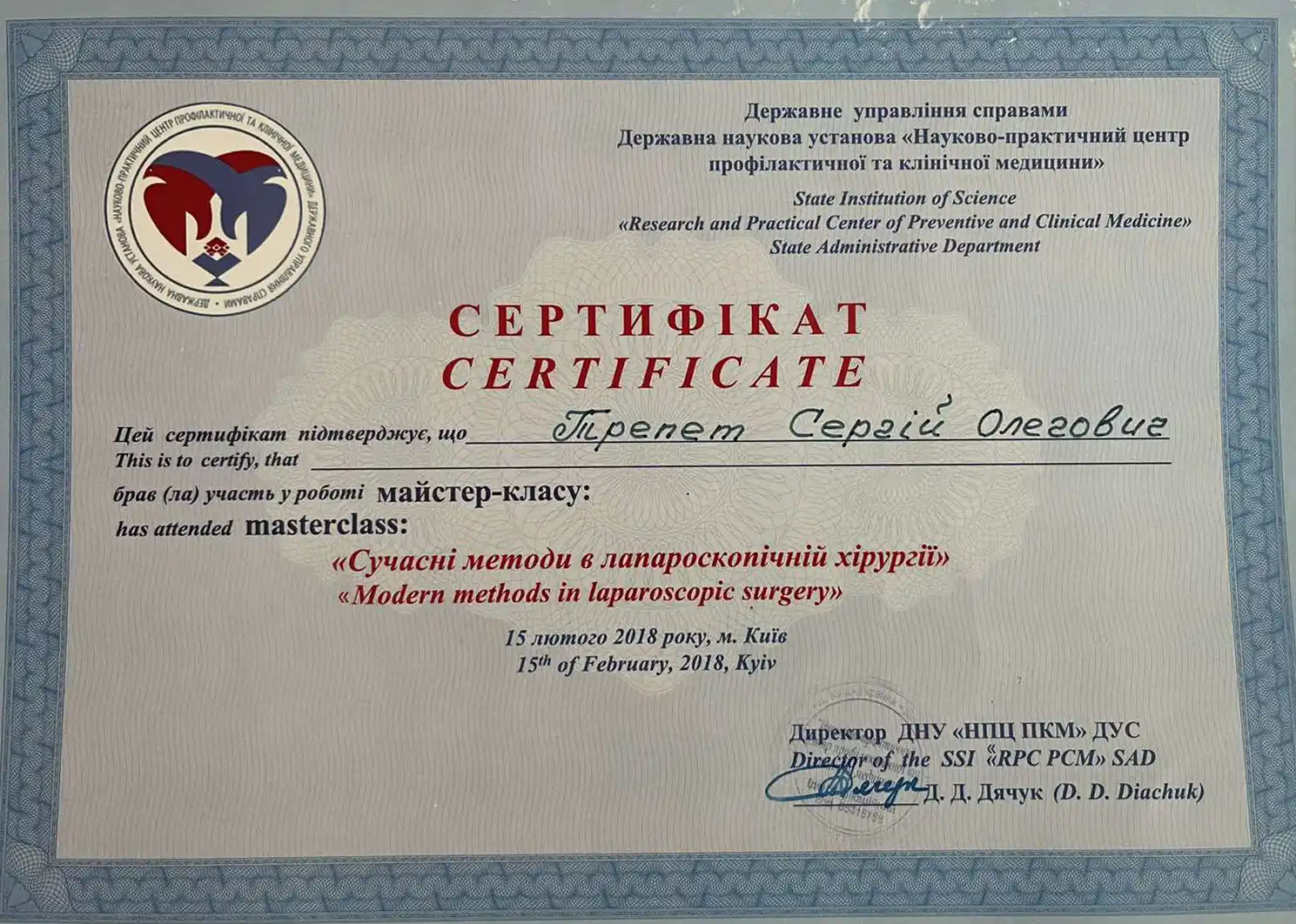
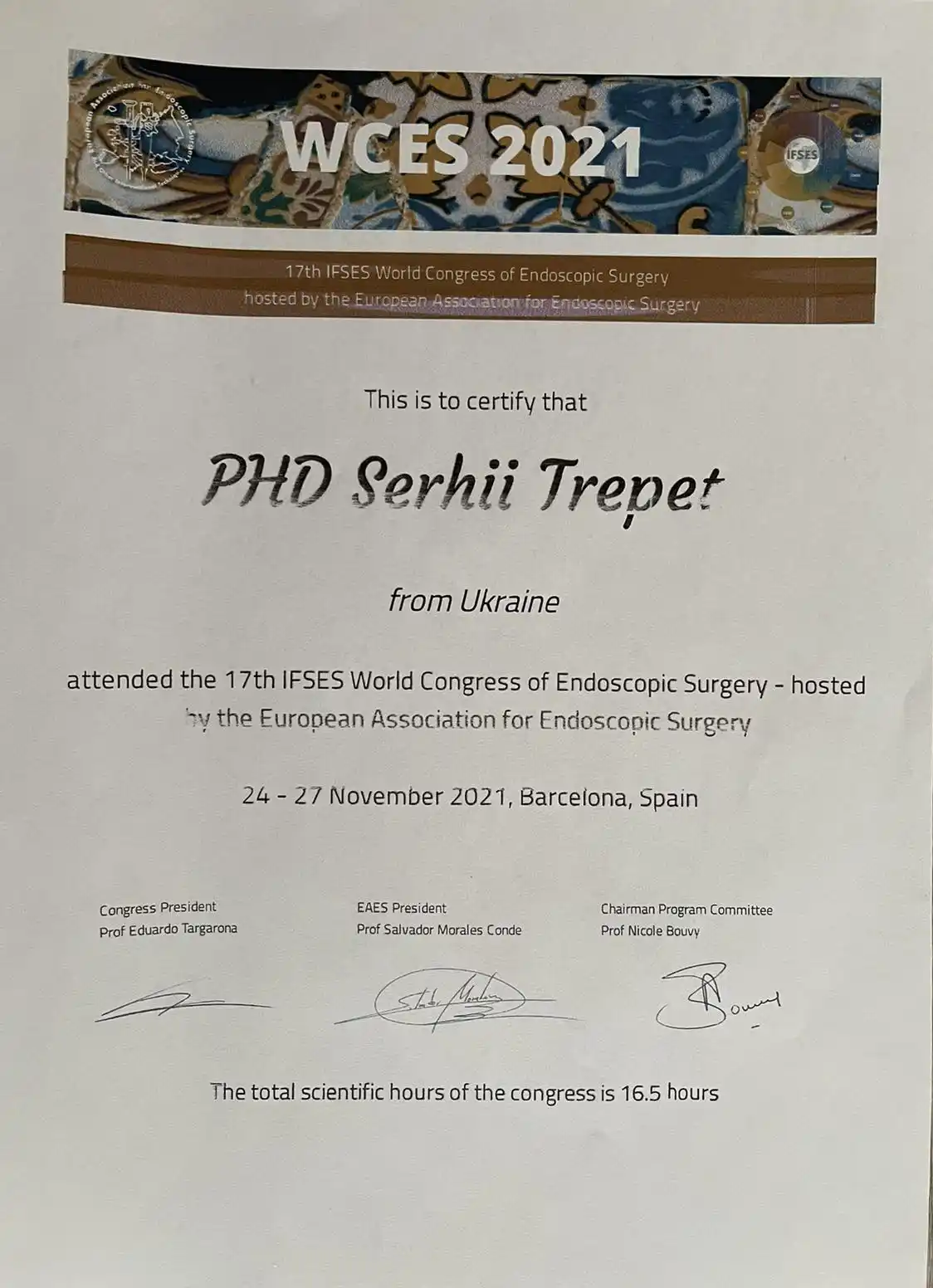
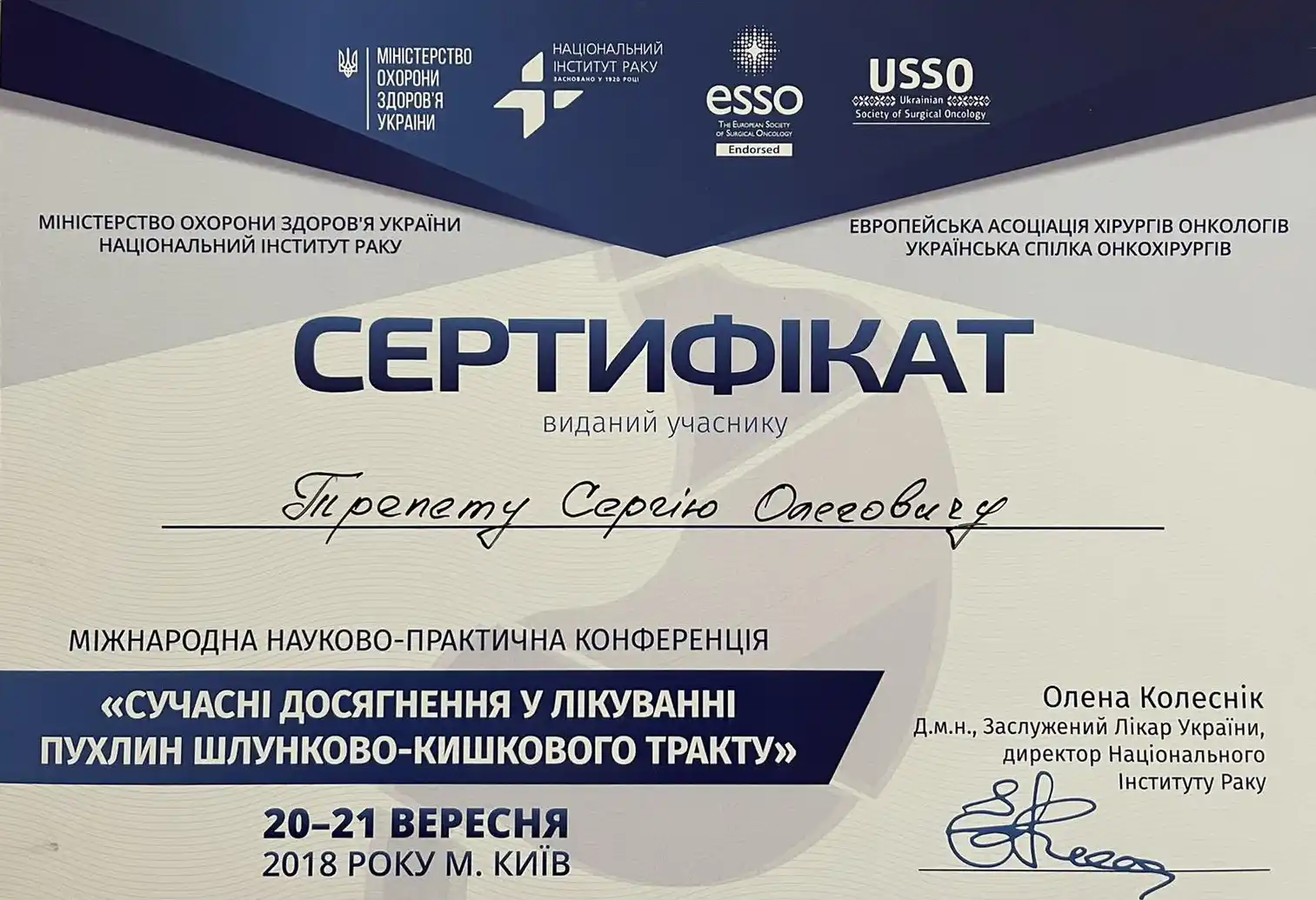
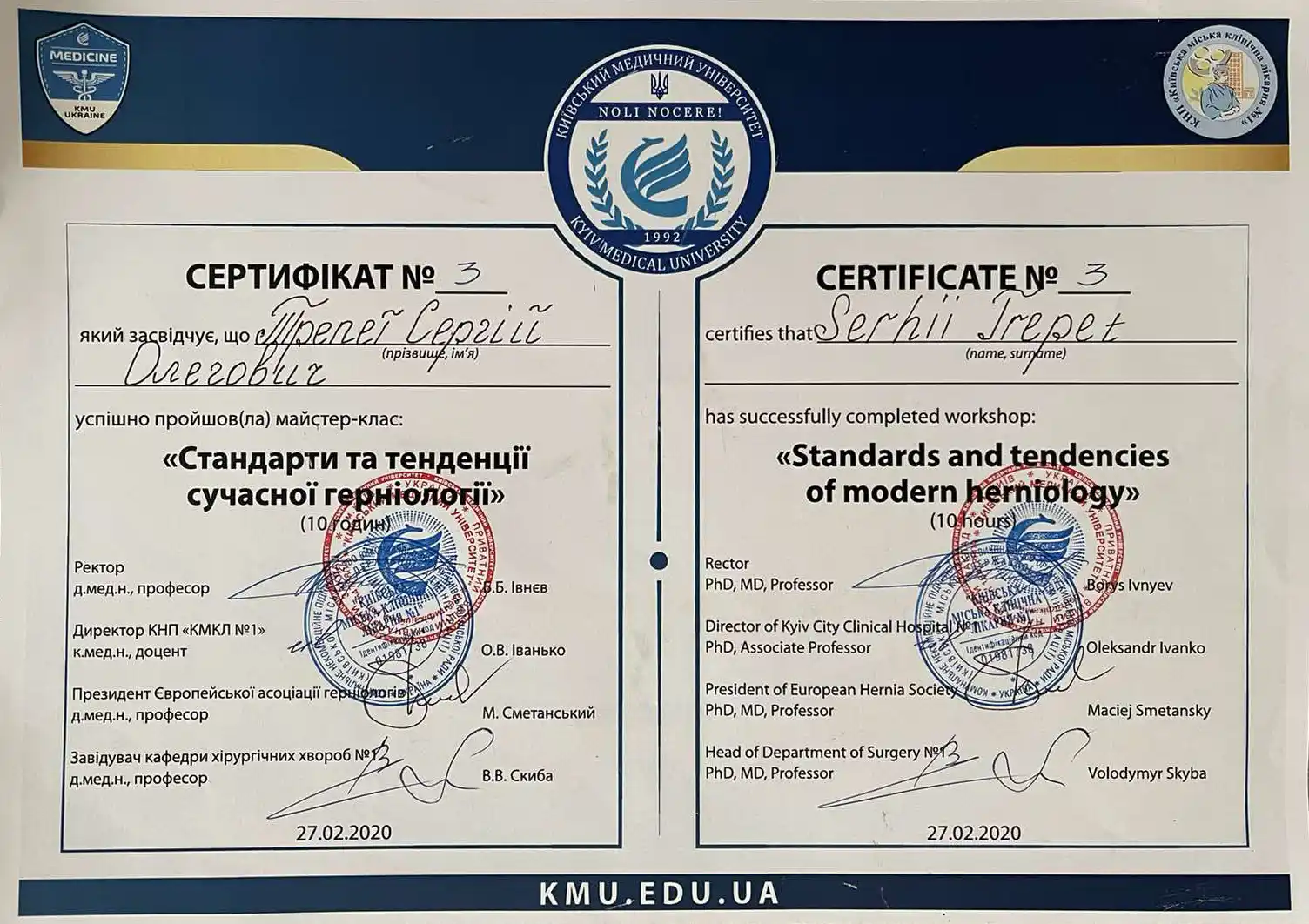
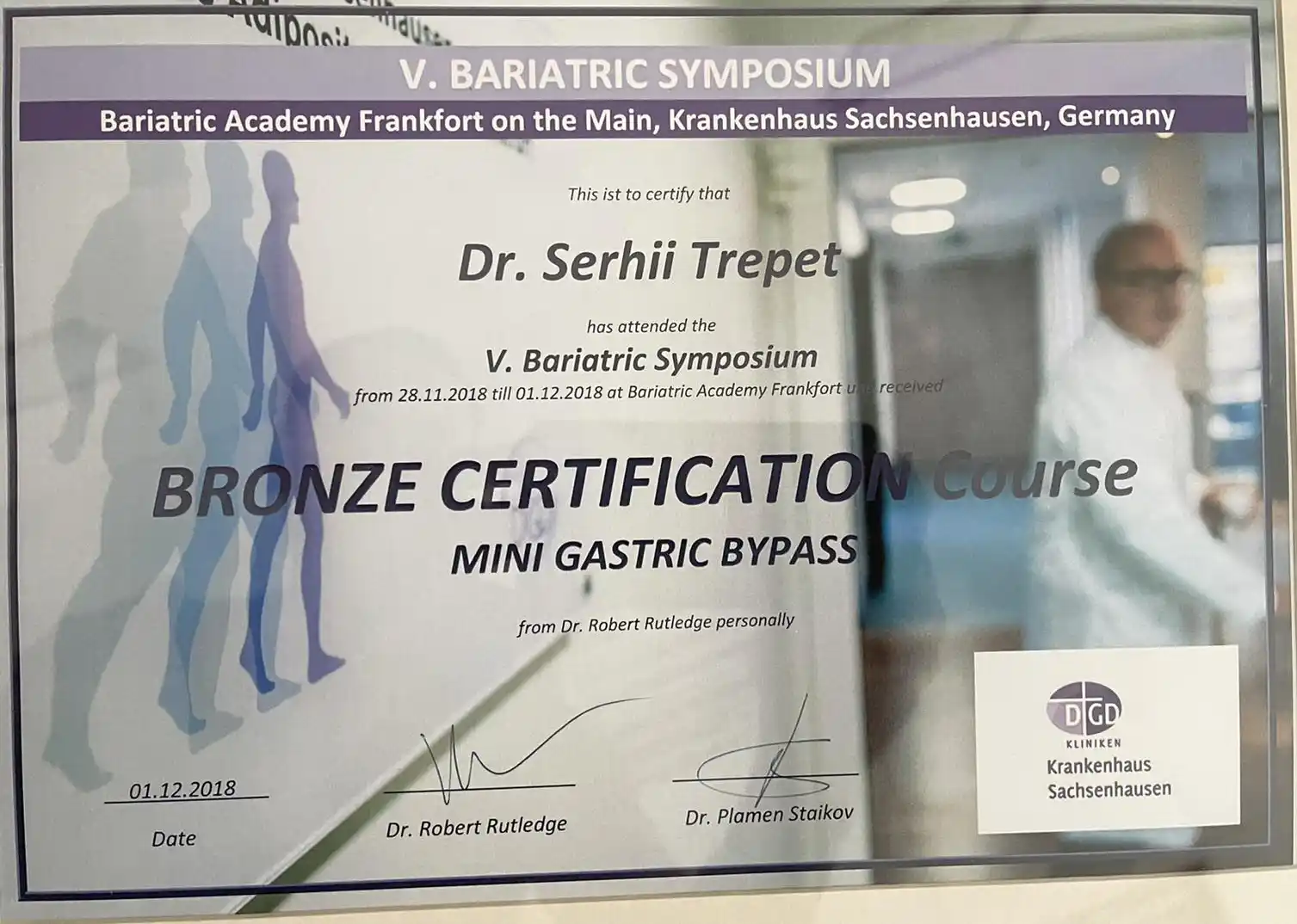
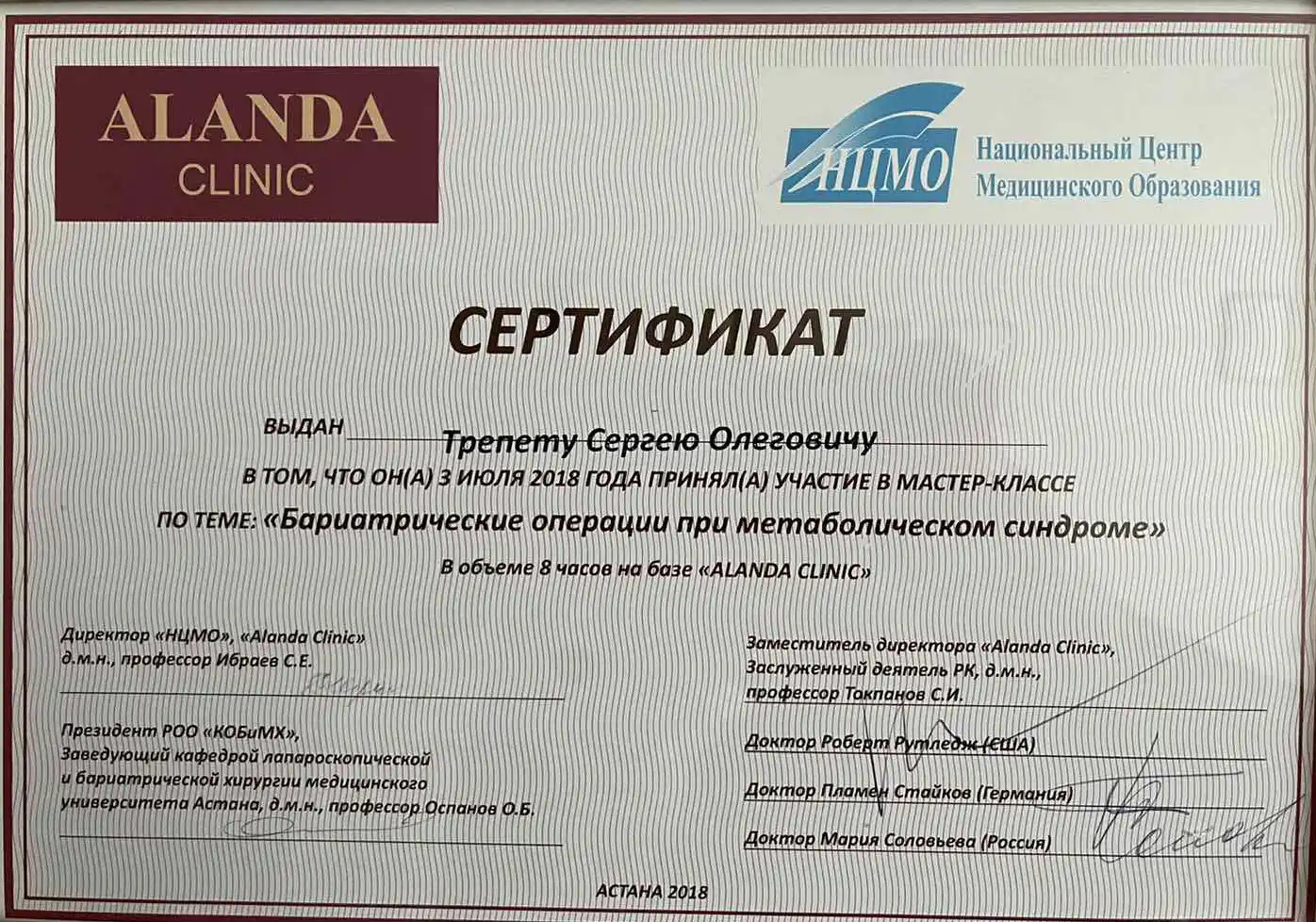
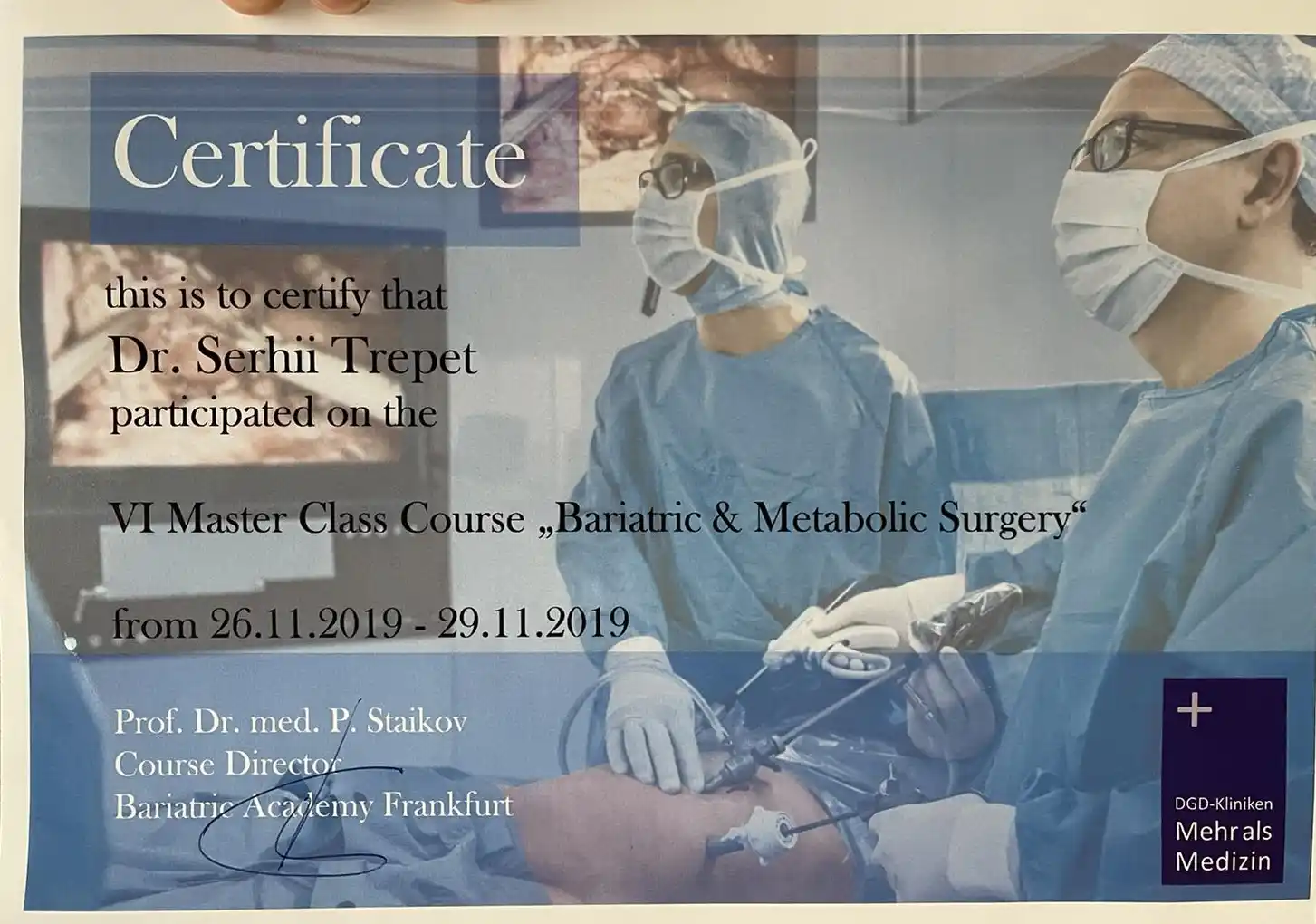
International certifications:
✔ MGB Bronze Certification Course 2018,
✔ Operations kurz Master Class
✔ Bariatrische Ghirurgie 2018, 2019
We use innovative technologies and only high-quality consumables. This may affect the cost of the sleeve gastrectomy (SLEEVE-1) surgery, but you can be confident that you will receive reliable and professional treatment. Online consultation via Telegram 24/7.
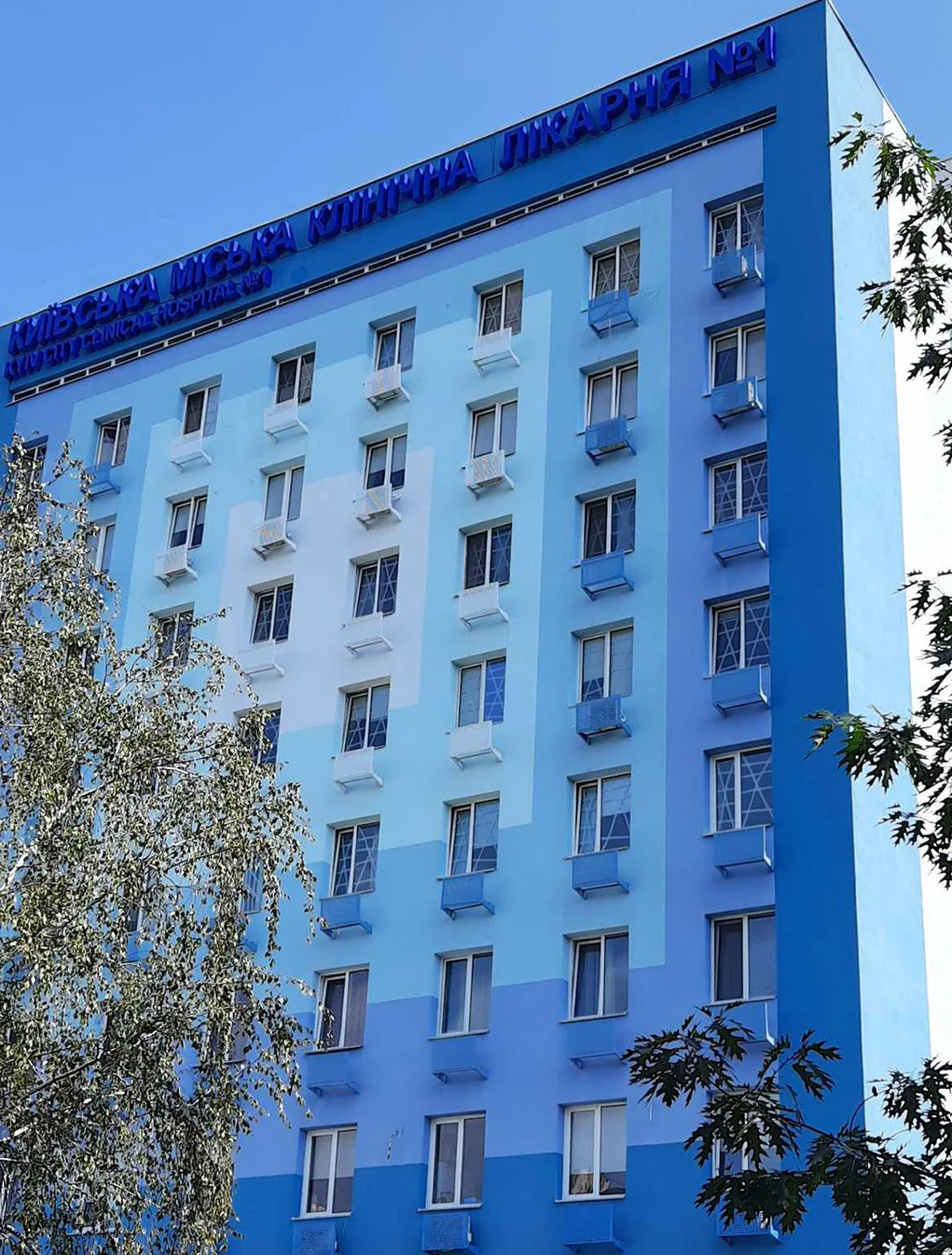
Kyiv, Kharkiv Highway 121.
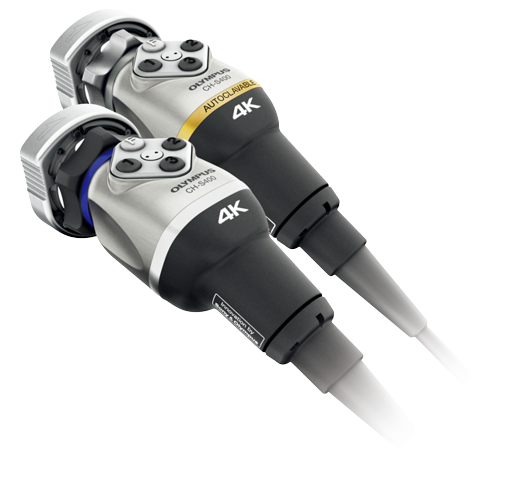
Among many bariatric surgeries, the longitudinal gastrectomy is the most common due to its high effectiveness and gentle impact on the body.
The surgeon removes the stretched side of the stomach and forms a tube from the remaining part, causing the organ to take on a banana shape again. The surgery leads to the removal of 80% of the stomach and reduces its volume to 100 ml (normally 1200 ml), which drastically decreases the amount of food consumed. Additionally, the removed part of the organ synthesizes ghrelin, a hormone that stimulates appetite. As a result, the person quickly feels full and does not experience hunger.
During the surgery, only the body and fundus of the stomach are removed, preserving the functional valves. Therefore, the organ continues to function properly.
Sleeve gastrectomy reduces the stomach volume by 10 times, leading to reduced food intake and rapid weight loss. Within the first year, more than 60% of excess weight can be lost.
Moreover, after the surgery, the concentration of bile acids increases, which activates insulin synthesis, helping normalize carbohydrate metabolism and treat diabetes mellitus.
The advantages of SLEEVE-1 include:
The main disadvantage of sleeve gastrectomy is the irreversibility of the process. Part of the stomach is permanently removed.
In some cases, a biliopancreatic diversion may be necessary several years after SLEEVE-1.
Stories and reviews from our patients
Wonderful specialists. They greeted me, guided me, showed me, and explained everything. The doctor’s goal is not to perform surgery just for the sake of it, and that’s the best part. Now, I am confident that the specialists are focused on my recovery, not on their own profits, and that’s an important factor for all of us.

After two pregnancies with cesarean sections, the removal of a fibroid, and then a complete hysterectomy in 2016, the lower part of my abdomen became saggy, covered with adhesions and stretch marks. Considering that with age, I ... Read more

Surgeon of the highest category. Medical science candidate. 40 years of experience.
International certifications:
✔ MGB Bronze Certification Course 2018,
✔ Operations kurz Master Class
✔ Bariatrische Ghirurgie 2018, 2019
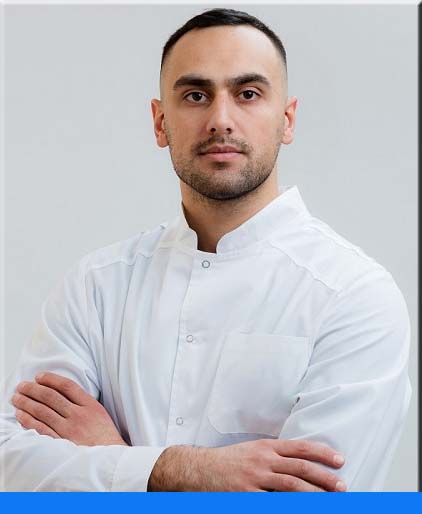
Anesthesiologist of the highest category. 39 years of experience.






Indications for the surgery:
Surgical intervention is contraindicated during the active phase of gastrointestinal diseases (gastric ulcers, gastritis, esophagitis, cholecystitis, pancreatitis), open tuberculosis, ascites, cachexia, type 1 diabetes, kidney and liver failure, malignant tumors, pregnancy and lactation, and mental disorders. The surgery is also not recommended for people under 18 or over 65 years old.
Sleeve gastrectomy is fundamentally different from the resections performed in cases of cancer. After the surgery, important stomach valves are preserved, ensuring its physiological functionality.
The average weight loss is 60% of the total excess weight. However, it often reaches 80-90%. In 70-80% of cases, patients also eliminate diabetes after the surgery.
Complications can occur after any surgery, but they are very rare after sleeve gastrectomy (SLEEVE-1).
The surgery does not lead to disability. On the contrary, it improves the quality of life, eliminates obesity, and related conditions that are considered disabling factors.