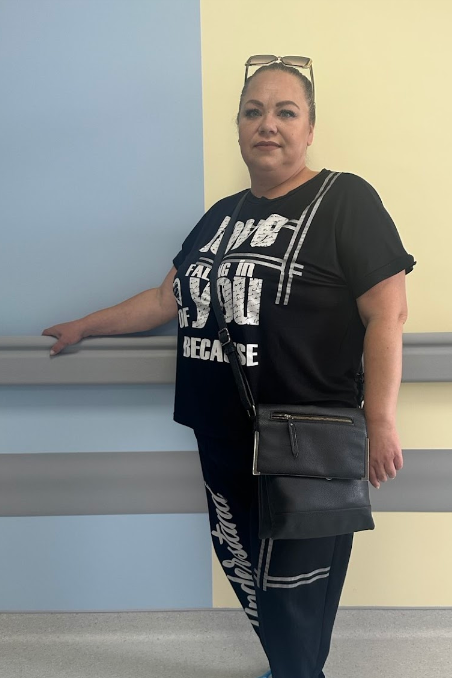


United Kingdom, 2025. 56-year-old David Reed faced a challenge that changed his life. The diagnosis of "stomach cancer" came as a shock to him, although in hindsight he admits that the first symptoms - constant fatigue, digestive issues, loss of appetite - he had ignored for months.
First attempt at surgery - an unexpected pause
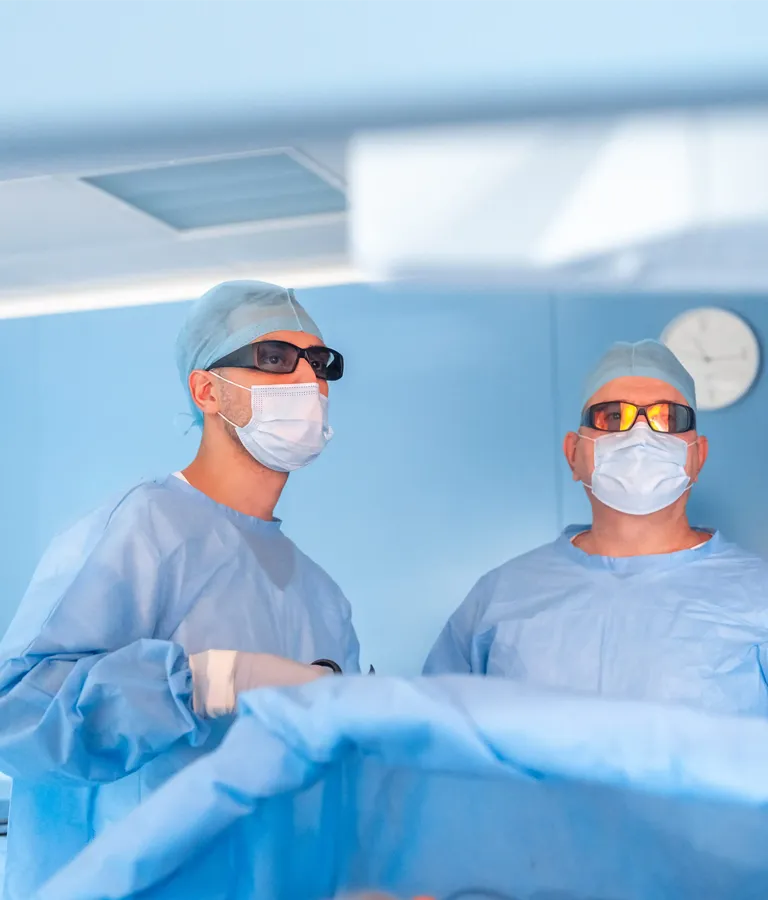
The medical team chose the approach of a gastrectomy (resection of the stomach), planned as a laparoscopic procedure. However, during the operation the surgical team discovered complications: the tumour’s spread was larger than preoperative imaging had indicated. The surgery had to be halted.
“I woke up from anesthesia and heard that they hadn't removed the tumour. In that moment I felt like I had lost my last chance,” recalls David.
This experience hit him hard psychologically: he had prepared for the operation but was left with uncertainty and fear about the future.
Additional tests and a change of strategy
After the unsuccessful first attempt, the team performed a series of additional tests: repeat CT, PET scan and biopsies. This allowed them to clearly define the tumour margins and prepare an individualized plan for a second operation.
The doctors explained that sometimes the reality inside the abdominal cavity differs from imaging. In David’s case they decided to perform a more extensive resection involving surrounding tissues and a careful lymphadenectomy.
The second operation - success thanks to the team
A few weeks after recovering strength and adjusting the plan, David returned to the operating theatre. This time the surgical team was able to perform a complete resection.
The first days after the procedure were difficult: nausea, pain, and limited diet. The patient remembers: “The hardest part was coming to terms with my body working differently. Eating small portions, constant monitoring - but every day I felt I was moving forward.”
Thanks to attentive nursing care and support from a dietitian, the rehabilitation period passed without serious complications.
Life after surgery
Today, several months after the intervention, David actively shares his experience with other patients. He joined the patient organisation Team Hope, participates in support groups and says that this helps him cope with anxiety.
His weight is gradually stabilising, his energy levels have recovered, and most importantly - recent examinations have shown no signs of recurrence.
“I want my story to be a source of hope for others,” he emphasises. “A first failure does not mean the end. The main thing is to trust your medical team and keep fighting.”
Conclusions for patients and clinicians
This case demonstrates several key points:
- Multidisciplinary approach: repeat investigations, multidisciplinary meetings and reassessment of tactics can radically change the outcome.
- Psychological support: patients after unsuccessful interventions especially need explanations and clear communication with doctors.
- The role of patient organisations: participation in support groups helps overcome stress and creates a positive example for others.