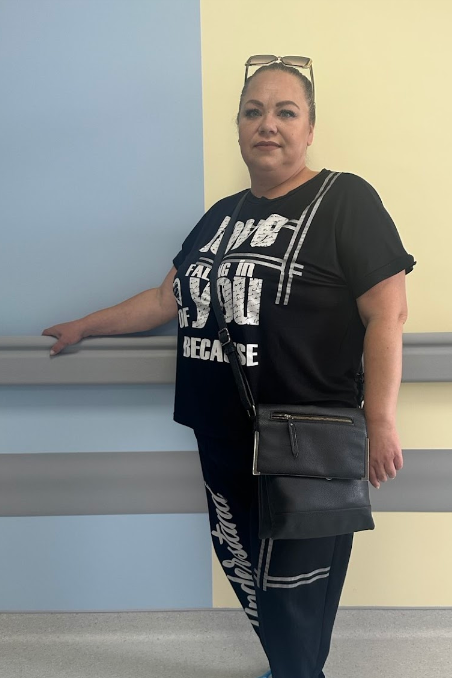


Camilla shared her story with us - she is a patient of our clinic who underwent a laparoscopic sleeve gastrectomy.
My name is Camilla. My measurements are: height - 162 cm, weight - 80 kg, BMI: 30.48. Before the surgery, my weight was 120 kg. I had been overweight since childhood, and because of this, my peers often made fun of me. I never did sports. During my teenage years, I learned about diets, but I couldn’t stick to a low-calorie meal plan due to frequent breakdowns. One of my attempts was the “Favorite” diet, after which I actually gained 4 kg.
Later, I visited an endocrinologist and a gastroenterologist. I underwent a full medical examination and took several tests. They suspected a hormonal imbalance, but everything turned out normal. However, I was diagnosed with type 2 diabetes, which had developed due to obesity.
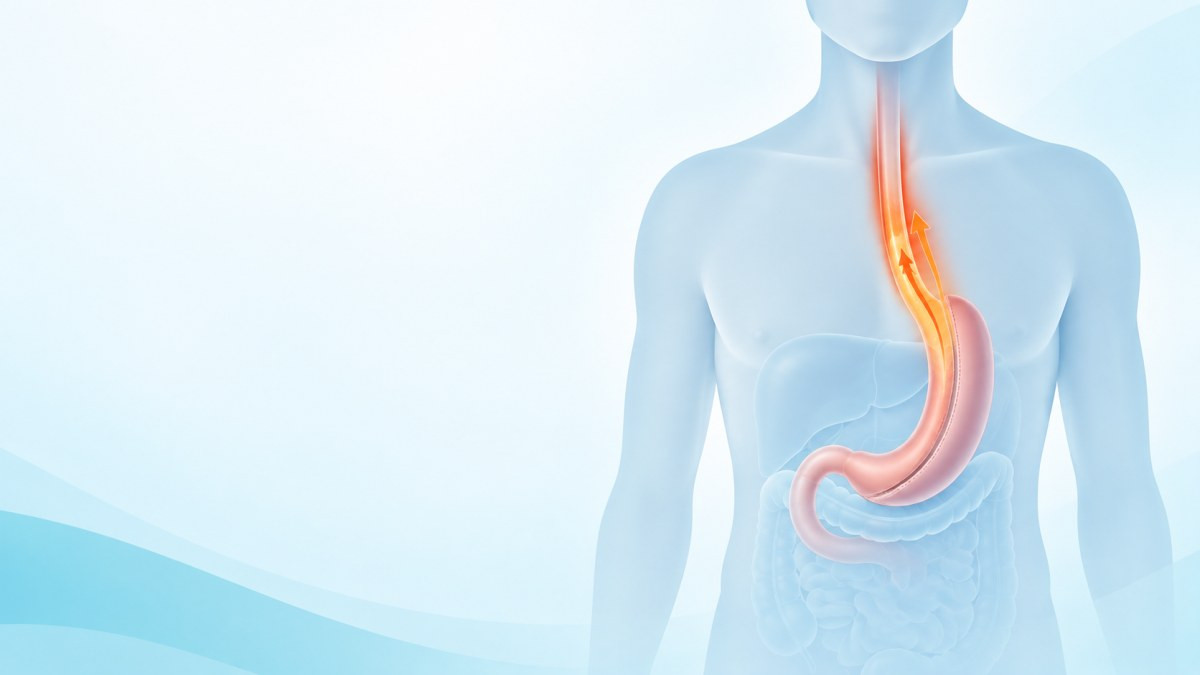
A year ago, my doctor recommended a bariatric surgery - laparoscopic sleeve gastrectomy. At first, this caused mixed emotions, especially after reading online reviews and potential side effects. I was also afraid of anesthesia since I had never had it before. But my motivation to be healthy outweighed all my fears.
Before the surgery, I was advised to follow a special diet. Two days before the operation, I had to switch to a strictly liquid diet. I ate baby food, drank diluted juices, and tea. I also had to quit smoking. Taking antidiabetic medications was allowed. As part of the preparation, I took a series of tests, including blood work, urinalysis, ultrasound, and ECG. I packed everything I needed - clothes, hygiene items, and original documents - and went to the clinic. A couple of close family members came with me for support.
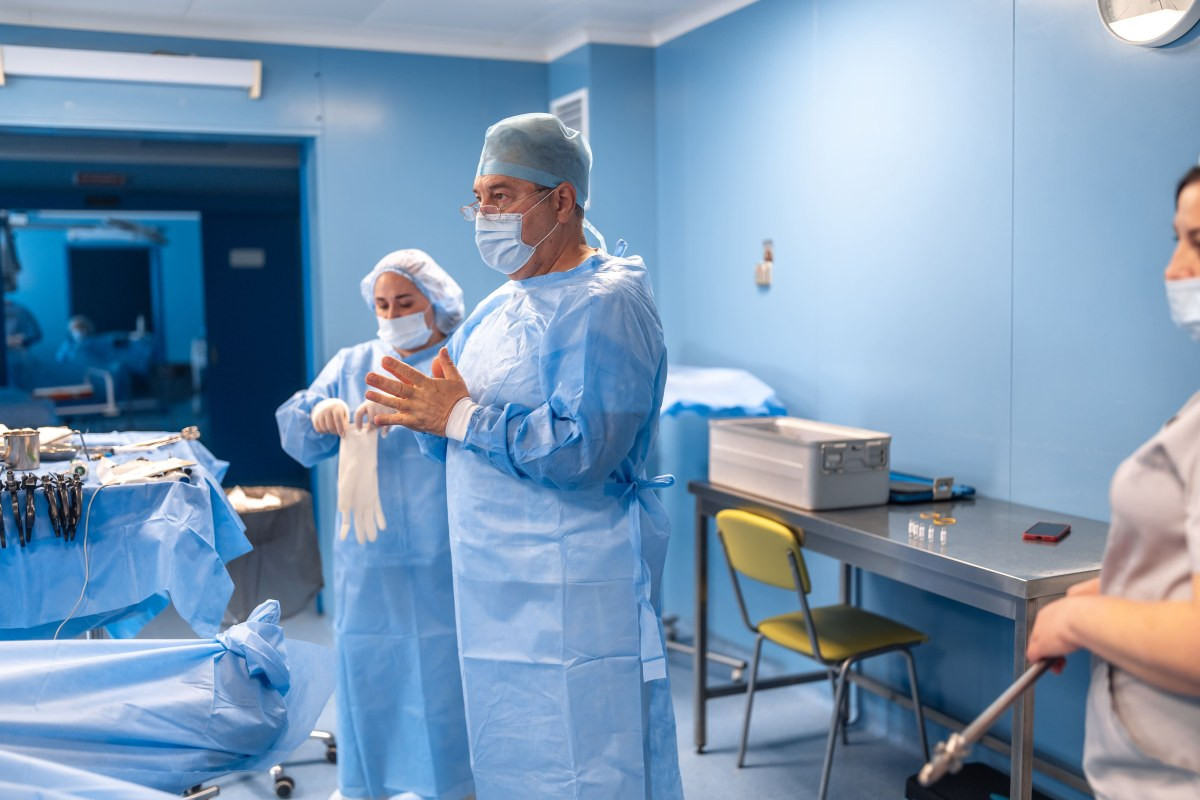
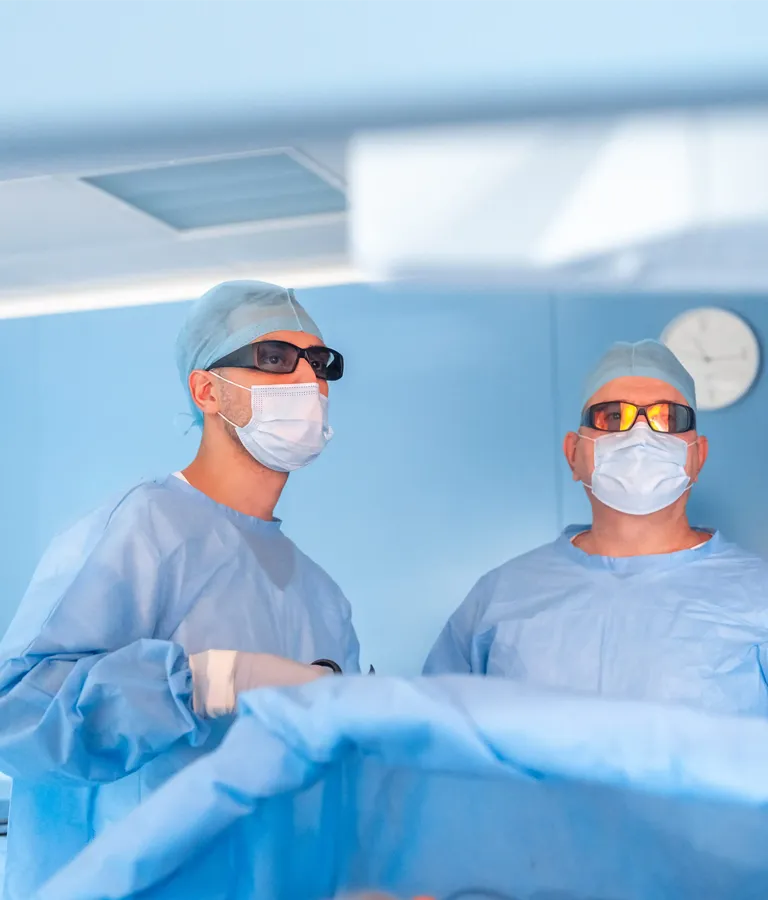
The anesthesia was administered through inhalation. I remember the doctor asking me to count silently, and then I fell asleep. I woke up later in the evening. My consciousness was cloudy after the anesthesia, and I felt dizzy. But the next day, I felt better, and I was moved to a regular ward. On the second day, I was allowed to have broth and baby food. The doctors advised me to drink plenty of fluids to prevent dehydration.
It was very difficult because I had to get used to a new eating routine and smaller portions, which was always a challenge for me. I was also given painkillers because of postoperative pain. I want to give special thanks to the clinic staff. The doctors were responsible, attentive, and polite. I was assigned a personal dietitian who developed a proper nutrition plan for me.
After five days in the hospital, I was discharged with a positive prognosis. The doctor praised me and said that everything was going well. At home, I switched to a healthier lifestyle. I follow a proper diet and try to include more physical activity in my daily routine. Among the side effects, I experienced constipation during the first two weeks. After consulting my doctor, she advised me to consume enough fluids and fiber.
Now I live in the countryside - fresh air and physical activity have helped me maintain my energy balance and overcome my psychological dependence on food.