

Short Summary
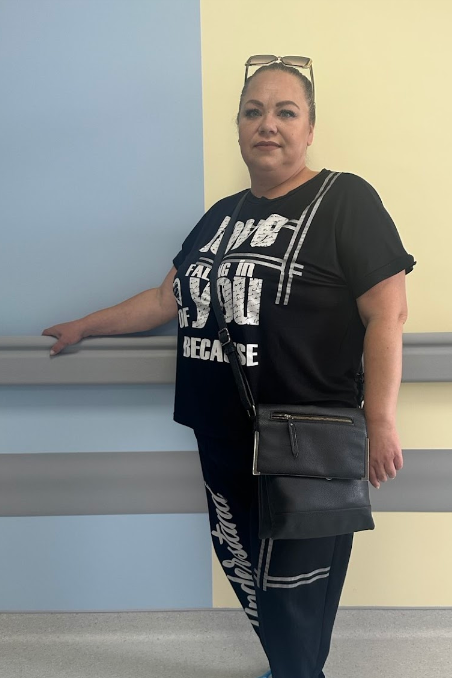
April 2022 - laparoscopic sleeve gastrectomy. Starting weight - 118 kg (BMI 41). Current weight - 73 kg, stable for the past few months. This is not an ad or a “miracle story” - more of a detailed outline of how it went for me: preparation, the first weeks, lab tests, challenges (reflux, plateaus, iron and B12), and how I returned to everyday life.
Why I Decided and How I Chose the Method
I went through a long path of diets, breaks, regains, and exhaustion. During consultations, doctors explained the options and risks. Given my initial data, sleeve gastrectomy turned out to be the balanced choice: food passage remains physiological, and the risk of severe deficiencies is lower compared to bypass (though it’s always individual). I got a second opinion - the recommendations matched, and after that I calmly prepared for surgery.
Preparation: Tests and Habits
Before surgery I did bloodwork, checked vitamins and micronutrients, had a gastroscopy and ultrasound. There was a short pre-op diet to reduce liver volume, plus giving up alcohol and sugary sodas. I arranged support from family for the first week, packed a “patient bag,” and made a plan for water intake and healthy snack replacements.
Surgery Day and the First 72 Hours
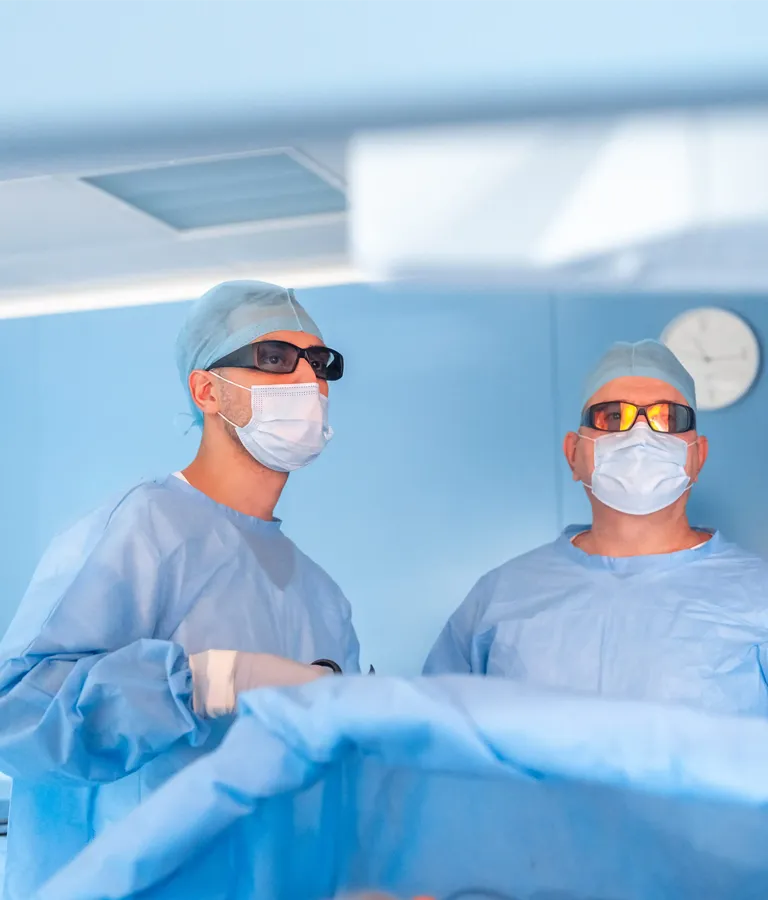
The laparoscopy went as planned. First hours - IV fluids, then tiny sips of water according to the schedule. I got up and walked in the corridor to “wake up” the body and reduce complication risks. Pain was moderate and managed with meds. Biggest lesson - don’t rush and listen to the staff.
First Two Weeks: Stages of Eating and Drinking
At first only liquids, then puréed food, later - soft food. Water had to be literally rationed - no big gulps, just small sips with pauses. Annoying at first, but physically necessary. Protein and vitamins followed the doctor’s plan. I kept notes: what worked, what caused heaviness or reflux, how much fluid I could actually manage per day.
First Quarter: Plateaus and Adjustments
Weight loss came in steps: sharp drop - pause - drop again. During plateaus I restructured my diet (more quality protein, stable mealtimes) and added movement - walking, light functional training. Not “hardcore sport at all costs,” just routine without obsession. Reflux in the first months required caution: avoided coffee on an empty stomach, acidic or spicy foods, ate slowly and in small portions, followed medical advice.
Iron, B12, and Regular Labs
After a few months, labs showed iron deficiency, later B12 deficiency. That’s common among bariatric patients, so my plan was simple: regular check-ups and corrections as prescribed (form and dosage tailored individually). Once levels stabilized, I felt much better: fatigue faded, concentration improved.
One Year Later and Beyond: Back to Life, Stable Weight
By the end of the first year, I was back to a normal rhythm: work, travel, social life. Joints and bones “breathed out,” sleep became calmer. Food rules stayed simple: protein first, then vegetables, limit liquid calories and sugar. Weight stabilized at 73 kg and has stayed there for months - no yo-yo, but with discipline. Exercise - walking, swimming, basic strength training with a trainer’s guidance.
Skin, Emotions, and Support
Skin doesn’t bounce back instantly. For me, time, stable weight, and moderate strength training worked best. Emotional ups and downs happened, especially when weight stalled. What helped: food/mood journaling, family support, and occasional sessions with a psychologist.
What Was Really Helpful
- Daily food and water plan - prepared in advance.
- Small portions and slow meals.
- Clear separation between food and water.
- Regular labs on schedule - don’t delay corrections.
- Daily movement: steps, stretching, light strength training.
- Food/mood diary - seeing cause-and-effect.
Pitfalls (and How I Managed Them)
- Reflux: small portions, no lying down right after meals, careful with coffee and acidic foods, follow prescriptions.- Plateaus: went back to basics (water, protein, sleep), not constant diet tweaks.- Deficiencies: never “by feel,” only by labs and under medical supervision.- Social settings: learned to calmly refuse “invisible” calories and choose safe options.
Results
From April 2022 to today I went from 118 to 73 kg - a 45 kg loss. Quality of life improved a lot: easier breathing, easier movement, better focus. Bariatric surgery was a tool, but the daily work is mine: water, food, sleep, movement, respecting my boundaries. If you’re just starting, my main takeaway - don’t wait for a “perfect moment.” Start with small steps today, and make medical decisions after in-person consultations.
Quick FAQ
Was it painful? Pain was moderate and managed with meds. First day - discomfort, later - more inconvenience than pain.
When did you get back to driving? After 7–10 days, based on how I felt and with doctor’s approval.
What if weight stalls? Don’t panic. Return to basics: water, protein, sleep, regular meals, and movement. Check labs.
How did you monitor iron and B12? On the doctor’s schedule: blood tests and correction if needed. No self-medicating.