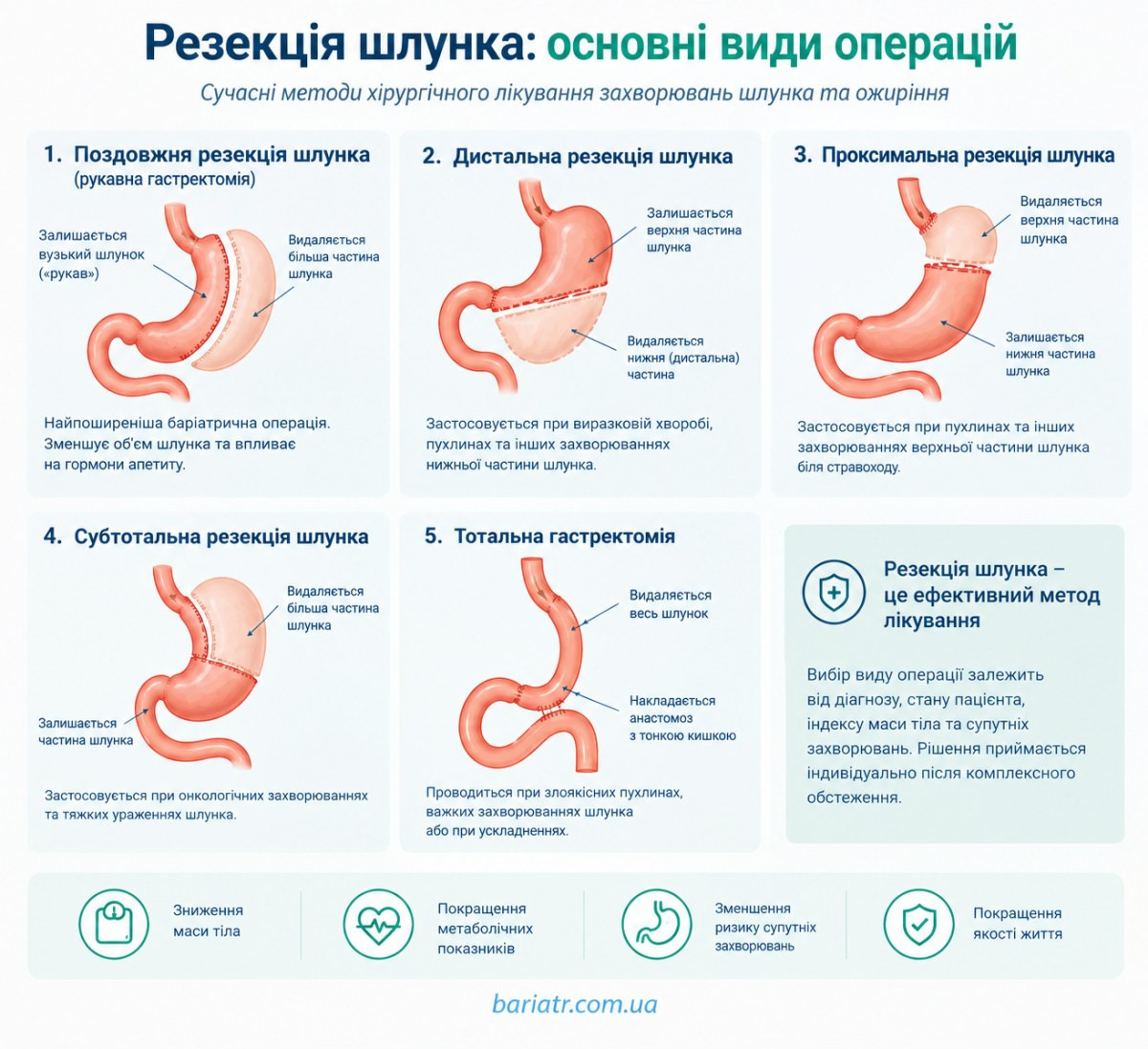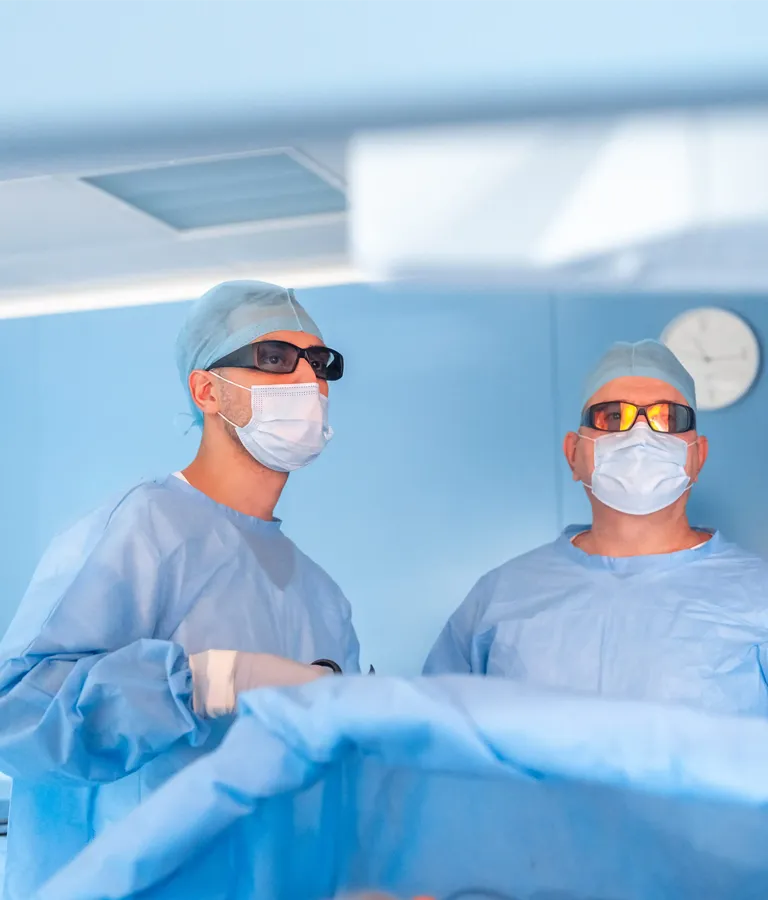


I am bariatric surgeon Emir-Useinov Tair. Every day I help patients who have been struggling for years with obesity and related health issues. If you are looking for where to have stomach reduction surgery, I want to explain how it happens with us and what steps you need to go through.
When surgery is not possible
On the scheduled day, you come to our clinic for a consultation at Kiev, Kharkiv Highway, 121. The consultation is free. We thoroughly review your condition and medical history - it is important to bring all your medical documents with you. I keep records of medical cases, which helps to understand the situation faster. After the examination, a decision is made: if there are no contraindications and you agree to the surgery, we immediately schedule the dates for tests and the surgery itself. There are contraindications when bariatric surgery is not possible:
- oncological diseases;
- active tuberculosis;
- type 1 diabetes;
- severe liver or kidney failure;
- stomach ulcer;
- pregnancy and lactation period;
- underage age.
Pre-surgery examinations
To ensure the surgery is safe, the patient undergoes a full examination, which includes:
Laboratory tests:
- general and biochemical blood tests;
- coagulogram, lipid profile;
- hepatitis B and C markers, RW;
- blood group and Rh factor;
- urine analysis;
- hormonal indicators (TSH, glycated hemoglobin, C-peptide, HOMA index);
- vitamin D3 level.
Instrumental studies:
- gastroscopy;
- ultrasound of the thyroid gland, abdominal organs, and pelvis;
- ECG, Echo-CG, cardiologist consultation;
- endocrinologist consultation;
- lower limb vein Doppler;
- spirometry;
- chest X-ray.
How treatment is carried out
Everything is organized as conveniently and safely as possible:
- First day - full examination and consultations.
- Second day - the surgery itself.
- Three days after surgery, the patient stays in the hospital under the supervision of my team. After that, the patient is discharged home with clear recommendations.
Post-surgery diet
After stomach reduction, it is very important to structure your diet correctly. I always explain the basic rules to my patients:
- Protein is the basis of the diet. Minimum 60 g per day (chicken breast, fish, eggs, cottage cheese, cheese).
- Frequent fractional meals. Small portions 5–6 times a day.
- Eat slowly. Use small dishes and teaspoons, chew thoroughly. Stop when you feel full.
- Drink enough fluids - 6–8 glasses per day, but no soda, sweet drinks, or strong coffee. Drink separately from meals - 30 minutes before or after.
More detailed recommendations are collected for patients in a special brochure.
To take the first step, you can submit a request for a free preliminary consultation by phone at any time. During this consultation, we will discuss your situation and answer all questions. If you decide to proceed further, we will arrange an in-person consultation at the clinic.