
Bariatric Surgery
– a type of surgical procedure aimed at treating people suffering from excess weight. That is why they are often
referred to as weight loss surgeries. Today, these are some of the most in-demand surgeries, as recent studies show
that approximately 2.5 billion adults worldwide are overweight, with around 895 million of them reaching the obesity
stage. It's important to learn more about them and understand which bariatric surgeries are the most
effective.
Who is eligible for the surgery
Before a surgeon can opt for bariatric surgery, they must first measure the body mass index (BMI)
of the patient. This method helps determine whether a person is underweight, normal weight, or overweight. There are
three conditions under which the patient may be considered for this assistance:
- Inability to lose excess weight independently;
- BMI exceeds 40;
- BMI may be less than 40 but not lower than 35 with the presence of diabetes, cardiovascular diseases, or hypertension.
Is Bariatric Surgery Right for You?

Is there a difference between surgeries and what types exist
Of course, each surgery has a number of significant differences. Among those that are frequently performed are:
- Gastric banding.
The upper part of the stomach is reduced by placing a special band that can be adjusted and removed at any time.
The band affects this part of the organ because it contains receptors that signal when satiety is achieved.
Adjustment can only be made in two cases: first – the doctor achieves the most comfortable state for the
patient; second – the patient approaches a suitable, safe, or desired weight;
- Gastric bypass surgery.
The main goal of the surgeon is to completely disconnect a significant part of the organ. After this, the
so-called "small stomach" is connected to a section of the small intestine, resulting in a shorter pathway for
food;
- Sleeve gastrectomy.
In this case, the surgeon does not disconnect a large part of the organ, but completely removes it. The
remaining part is then left in the body as a tube, which can be called a
"sleeve";
The gastric balloon. This procedure is a temporary measure, as before full surgery, a patient with morbid obesity and various health issues must reach a weight that is not contraindicated for surgery.
Today, the first surgery is hardly performed anymore, as it has become outdated and is not as useful compared to the other two. It can be concluded that gastric bypass and sleeve gastrectomy are the most effective, showing excellent results in treating people battling excess body weight.
 Before bariatric surgery. Patient Review
 After bariatric surgery. Patient Review
How the surgery is performed
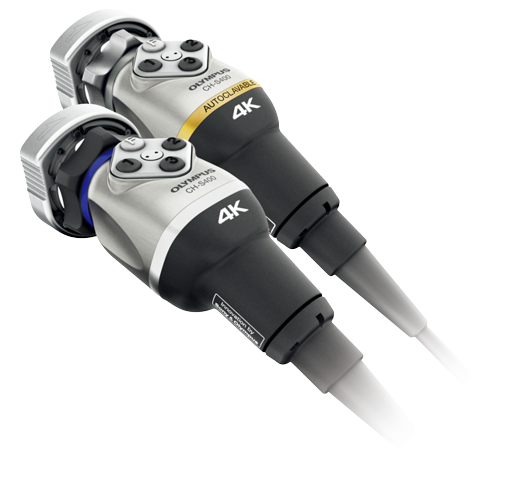
Before starting the procedure, the surgeon determines which of the two methods will be used: "open" surgery or "laparoscopic" surgery. The first involves the surgeon making an incision in the surface of the abdomen and then working on the organs that require modification. The second requires penetration into the abdominal cavity through small incisions, through which special equipment is inserted. This equipment consists of micro-instruments, micro-cameras, and light elements, allowing the surgeon to visually and physically control every action after entering the body. The rehabilitation period may be shorter, and the risk of injury may decrease because large incisions are not made.
Characteristics of the surgeries
As a result of gastric bypass surgery, a person can experience the greatest weight loss and the most rapid effect on the body as a whole. However, it carries a high risk of complications if the patient does not follow the rules and recommendations after the surgery. There is a high chance that this surgery will help control type 2 diabetes. In rare cases, the person may experience malabsorption, a condition in which nutrient absorption is impaired and there is a deficiency of nutrients. That is why the doctor will need to monitor the patient's nutrient levels regularly.
The vertical sleeve gastrectomy, on the other hand, is much safer and results in fewer surgical injuries. The reason is that the surgeon does not reroute the food transit or remove part of the intestine. As a result, the patient is less likely to experience the complications that can occur after gastric bypass surgery. This method is generally safer than gastric banding because no foreign object is introduced into the body. Additionally, its effectiveness is generally higher, which is why more specialists are choosing this method. However, the type of surgery will be determined only after a visit to the doctor, who will assess and take into account all the characteristics of the patient's body.
Advantages of bariatric surgery over non-surgical interventions
The benefits include not only significant weight loss but also the resolution of other issues, such as:
- Type 2 diabetes;
- Hypertension;
- High cholesterol levels;
- Temporary breathing cessation during sleep (sleep apnea);
- Regular heartburn.

However, it should be understood that things do not always go according to plan and as expected by the patient, since the main role is played by the individual characteristics of the body and the processes occurring in the postoperative period.