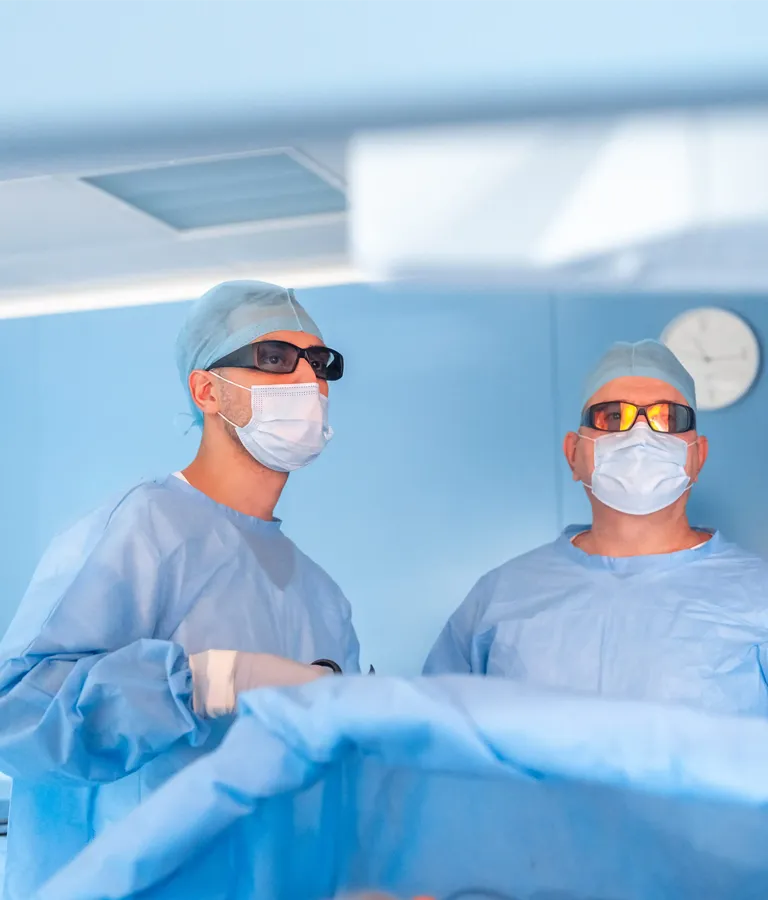


As a bariatric surgeon, I have seen hundreds of patients who, after significant weight loss or pregnancy, are left with excess skin and sagging of the anterior abdominal wall. Abdominoplasty is not about a “quick fix” or “weight loss.” It is a carefully planned surgical procedure designed to restore the abdominal contour, remove excess skin, and, when necessary, reconstruct the functional integrity of the abdominal wall muscles.
Who is abdominoplasty indicated for - my approach to patient selection
I recommend abdominoplasty to patients who:
- have excess skin and soft tissue that cannot be corrected through exercise or weight reduction;
- have significant rectus diastasis (separation of the abdominal muscles), leading to abdominal protrusion and contour deformity;
- have a stable body weight (minimal fluctuations over several months) and no plans for pregnancy in the near future;
- clearly understand realistic expectations and the potential risks of surgery.
It is important to distinguish abdominoplasty from panniculectomy. Abdominoplasty typically includes body contouring, muscle repair, and repositioning of the umbilicus. Panniculectomy, on the other hand, is primarily the functional removal of an overhanging skin and fat apron without muscle repair or contour shaping, and is usually performed for medical indications. Understanding this difference directly affects surgical planning, expected outcomes, and risk assessment.
When to plan surgery after weight loss or bariatric surgery
After significant weight loss - especially following bariatric surgery - I advise postponing abdominoplasty until body weight has stabilized. In most cases, this means waiting at least 12 months after bariatric surgery or until the active weight-loss phase has ended. This approach is crucial for achieving a durable result and reducing the risk of recurrent skin laxity. Many patients require staged correction of multiple body areas, which must also be considered during treatment planning.
BMI, contraindications, and risks
Clinical guidelines emphasize the importance of body mass index (BMI) in patient selection. In cases of significant obesity, abdominoplasty is associated with higher complication rates and less predictable aesthetic outcomes. Smoking, unstable weight, active chronic diseases, and plans for future pregnancy are all factors that may necessitate postponing or contraindicating surgery.
How I prepare patients for surgery
Preparation is not limited to laboratory tests and imaging studies. It is a comprehensive discussion about the goals of surgery, realistic expectations, scar placement, and potential complications. Before surgery, I insist on:
- stable body weight;
- complete smoking cessation at least 4–6 weeks prior to surgery to improve wound healing;
- assessment and correction of nutritional status when necessary;
- evaluation of thromboembolic risk and implementation of preventive measures if indicated.
Surgical techniques
The choice of abdominoplasty technique depends on the degree of tissue changes and the desired outcome. A full classic abdominoplasty involves a low transverse incision, elevation of the skin and fat flap, repair of rectus diastasis, and creation of a new umbilicus. Mini-abdominoplasty is reserved for patients with limited excess tissue in the lower abdomen. In many cases, I combine abdominoplasty with liposuction to enhance contouring - always based on individual safety considerations.
Postoperative period and recovery
During the first postoperative days, pain control, rest in a slightly flexed position, use of compression garments, and care of surgical drains (if placed) are essential. Complete resolution of swelling and stabilization of results take several months. Most patients return to work within 2–4 weeks with physical activity restrictions. Strenuous exercise is generally allowed after 6–8 weeks, with gradual progression. Final scar maturation may take a year or longer.
Possible complications - how I minimize them
The main risks include infection, fluid accumulation (seroma), delayed wound healing, deep vein thrombosis, and unsatisfactory aesthetic results or asymmetry. To minimize these risks, I use meticulous surgical technique, adequate hemostasis, drains when necessary, thromboembolism prophylaxis, nutritional optimization, and strict smoking cessation. I always emphasize to patients that risks cannot be completely eliminated - only significantly reduced.
Combination with bariatric surgery - a multidisciplinary approach
As a bariatric surgeon, I work closely with plastic surgeons. After massive weight loss, staged reconstructive procedures are often required, involving the abdomen, thighs, or breasts. Coordinated decision-making with a nutritionist, psychologist, and anesthesiologist is essential to ensure patient safety and long-term success.
What I tell patients before signing informed consent
Be realistic: abdominoplasty significantly improves body contour but does not guarantee a scar-free “perfect” abdomen. Proper preparation, strict adherence to postoperative recommendations, and patience during recovery have a far greater impact on the final result than any “quick solution.” We openly discuss scar placement, recovery time, possible additional procedures, and costs before surgery.
Abdominoplasty is a powerful tool in reconstructive and aesthetic surgery. As a surgeon, my goal is not only to improve appearance but also to restore function, reduce physical discomfort, and enhance quality of life. If you are considering surgery, I invite you to a consultation - together we will review your goals, medical history, and create an individualized, safe, and effective treatment plan.