


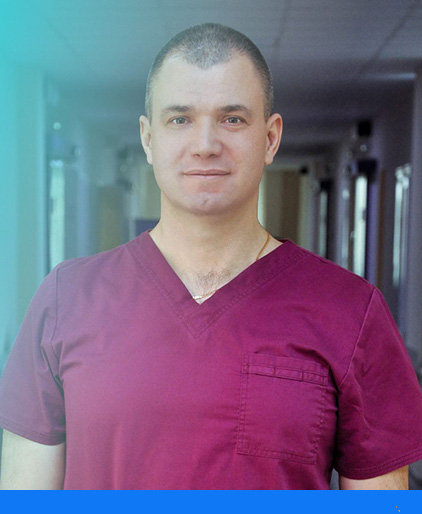
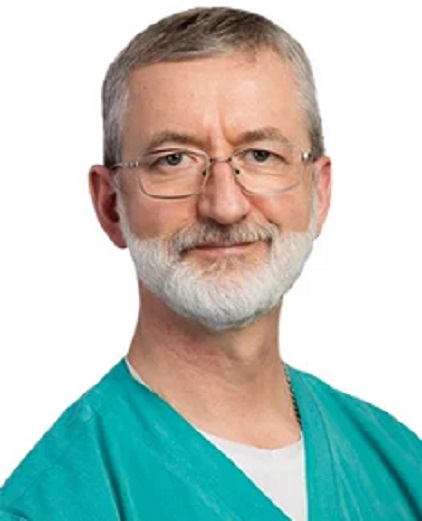
Ivan'ko Aleksandr Viktorovich
Surgeon of the highest category. Candidate of Medical Sciences. Work experience – 25 years.
Associate Professor of the Department of Surgical Diseases and Honored Doctor of Ukraine.
PROFESSIONAL. COMFORTABLE. AFFORDABLE. ALL TYPES OF BARIATRIC SURGERY.
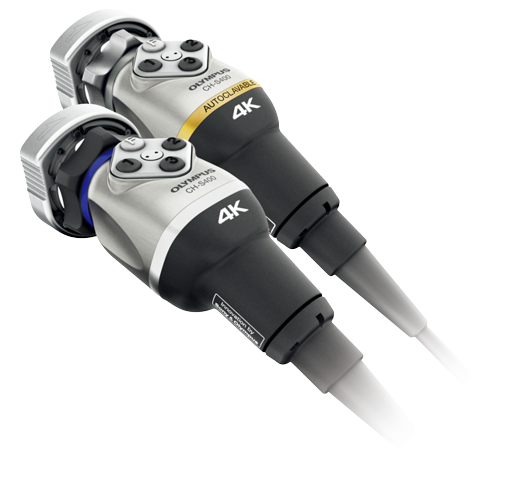

This brochure provides information on preparing for bariatric surgery, post-surgery lifestyle, and answers to the most frequently asked questions.
Surgical intervention is necessary if:
Once you make the final decision about surgery, consult with your doctor to choose the most suitable surgical method, considering all pros and cons.

Serhiy Olehovych Trepet is a leading specialist at the Bariatric Surgery Center with over 40 years of experience. He is highly skilled in modern diagnostic methods for abdominal diseases and has extensive experience in minimally invasive surgical techniques for obesity treatment.

After the surgery, it is possible to significantly reduce weight and improve overall health, but the surgery will not solve all health problems. It serves as a means to achieve the goal (weight loss and relief from diseases), but to achieve and maintain the expected result, motivation, self-discipline, and a willingness to collaborate with the doctor and follow their instructions are necessary.
|
Title |
Essence |
Result |
Advantages |
Disadvantages |
|
Intragastric Balloon Insertion |
A silicone balloon is placed in the stomach using an endoscope and filled with 400-700 ml of saline solution. The balloon presses against the stomach walls, causing a feeling of fullness. |
Reduces 15-25% of excess weight. Reduces the risk of developing comorbidities. |
Reversibility of the procedure, ability to remove the balloon at any time. Preserves the integrity of the organ, no incisions or trauma to the body. Minimal risk of complications. |
Presence of a foreign object in the body. Insignificant weight loss. Over time, the body gets used to the balloon, which reduces its therapeutic effect. |
|
Gastric Banding |
The upper part of the stomach is encircled by an inflatable band filled with liquid. As a result, the organ takes on an hourglass shape. The upper part of the stomach fills quickly with food, creating a feeling of fullness. The degree of compression of the band is adjusted by changing the volume of liquid. |
Limits the amount of food. Reduces 40-50% of excess weight. Normalizes metabolism. |
Reversibility of the operation, preservation of anatomical integrity. Ability to quickly remove the band. No vitamin and mineral deficiencies. Low risk of complications. Ability to regulate the intensity of weight loss. |
Slow and modest weight loss. Presence of a foreign object in the body. Requires constant adjustment. Risk of band displacement, formation of erosions and ulcers at the contact point. |
|
Sleeve Gastrectomy (Vertical Sleeve Gastrectomy, SLIV-1) |
Most of the stomach (about 80%) is removed, which produces ghrelin (the hunger hormone). The open edges are sewn together, forming a sleeve-shaped tube with a diameter of 2-3 cm and a volume of 100-200 ml. |
Reduces appetite. Reduces 50-60% of excess weight. Speeds up metabolism, normalizes hormonal levels, and lowers blood sugar levels. Treats diabetes, alleviates hypertension and cirrhosis symptoms. |
Minimal anatomical changes to the stomach, preservation of intestinal integrity. No redirection of food flow. Vitamin and mineral deficiency after surgery is rare. Minimal risk of complications and regaining excess weight. |
Irreversibility. Possible heartburn. |
|
Gastric Plication (SLIV-2) |
Similar to gastric plication, but the side of the stomach is not removed; instead, it is stitched by twisting, reducing the volume of the organ to 150 ml. |
Reduces 50-70% of excess weight. Relieves symptoms of diabetes, hypercholesterolemia, hypertension, and sleep apnea. |
Reversibility. Preservation of the anatomical integrity of the stomach and the natural pathway for food transport. |
No hormonal effect (part of the stomach producing the hunger hormone is retained). |
|
Ileal Shunting (Partial Shunting) |
The ileum is removed, where the majority of fats are absorbed (about 90%). |
Reduces excess weight. 45-75% of diabetics achieve stable remission. Normalizes lipid profile and corrects dyslipidemia. |
Effective weight loss. Stable remission of hypercholesterolemia. |
Irreversibility. Lifelong vitamin B12 injections required. Insufficient calcium absorption. |
|
Gastric Bypass (Gastrojejunostomy) |
The stomach volume is reduced to 20-50 ml by stitching, and reconstruction of the small intestine is performed. A small pouch is created in the upper part of the stomach, which is then connected to a part of the small intestine. This results in a double effect: the volume of food is reduced, and fat and carbohydrate absorption is impaired. |
Normalizes blood sugar and lipid metabolism. Patients lose 70-90% of excess weight and also eliminate heartburn, type 2 diabetes (in 73% of cases), and hypertension (in 50% of cases). |
Reversibility. High effectiveness even in severe obesity (BMI ≥ 50 kg/m²). |
Lifelong vitamin and mineral replacement therapy required.
|
|
Mini Gastric Bypass (Mini Gastrojejunostomy) |
A simplified version of classic gastric bypass. A part of the stomach is isolated, and part of the duodenum is excluded from the digestion process. |
Helps lose about 75% of excess weight. In 95% of cases, it eliminates diabetes. |
Reversibility. Ability to choose the degree of weight loss. Suitable for treating diabetes in thin patients. |
Lifelong vitamin and mineral replacement therapy required. |
|
Biliopancreatic Bypass |
Part of the stomach is removed, forming a tube with a volume of 200 ml, and the duodenum is removed. As a result, the volume of food is reduced, and nutrient absorption is decreased. |
Reduces appetite. Reduces excess weight and associated diseases. Normalizes metabolism and blood sugar levels. Most diabetics stop using insulin and hypoglycemic medications. |
High result stability. No dietary restrictions required. |
Irreversibility. Lifelong vitamin and mineral replacement therapy required. Possible postoperative complications. |
|
SADI-S |
A type of biliopancreatic bypass combining sleeve gastrectomy and mini gastric bypass. |
Reduces 70-80% of excess weight. Improves overall metabolism. |
Significant weight loss. Effective against diabetes and obesity. |
Irreversibility. High risk of postoperative complications. |
The installation of an intragastric balloon is primarily recommended for super-obese patients as a preparation for further bariatric surgery.
Thanks to the surgical intervention, it is possible to:
Within the first 3 months, a patient may lose up to 50 kg of excess weight. Subsequently, weight loss occurs at an optimal pace for the body.
The exact result of the surgery for each patient cannot be predicted. On average, after surgery, patients lose about 2/3 of their excess weight, but there can be both higher and lower results depending on the type of surgery and individual characteristics. Additionally, the rate of weight loss can vary significantly. Some patients lose all excess weight within a year, while others stabilize their weight only after 2 years.
About 70-80% of diabetics who were taking only one medication can stop using antidiabetic drugs after surgery. 50% of patients stop using 2 or 3 medications. Half of the diabetics on insulin therapy can discontinue insulin, and 10% of them no longer need any antidiabetic medications.
Approximately 70% of patients stop taking antihypertensive medications after surgery.
To assess the overall health, ensure the absence of contraindications, evaluate and neutralize potential risks, and select the optimal type and method of surgery, patients are directed to diagnostic examinations:
If Helicobacter pylori is suspected, stool analysis or gastroscopy is performed. If infection is confirmed, eradication therapy is prescribed, and its effectiveness is checked.
For patients over 60 years old or with liver pathologies, ultrasound of the organ is performed to assess its size.
Additional examinations may be required for other health issues. If necessary, the surgeon may refer patients to consultations with specialists such as a dietitian, endocrinologist, gastroenterologist, cardiologist, pulmonologist, gynecologist, psychologist, psychiatrist, or anesthesiologist.
To improve the results of surgical treatment, consider the following advice:
When going to the hospital, take the following with you:
You need to arrive at the clinic on an empty stomach. The medical staff will greet you, give you a hospital gown, and escort you to the operating room where the anesthesiologist will administer anesthesia.
The surgeon will make small (up to 5 mm in diameter) incisions, through which a laparoscope with a miniature camera and necessary medical instruments will be inserted to perform the required manipulations.
You will be in the operating room for several hours, then in the recovery room for 1-2 hours, where the nurses will monitor your vital signs. This period will likely be unclear or only remembered in fragments. Once the anesthesia wears off, you may experience discomfort, pain, or nausea. If necessary, the doctor will prescribe painkillers to ease your condition.
As soon as you feel relief and are able to get out of bed (approximately 6 hours later), try to walk as much as possible. Movement helps to eliminate the effects of anesthesia faster, improve intestinal function, prevent blood clots, and respiratory problems.
If you plan to get pregnant or undergo plastic surgery to remove loose skin, postpone your plans for at least a year and a half.

Result after 6 months
To reliably lose excess weight and avoid postoperative complications, it is important to follow a proper postoperative diet. Proper nutrition will speed up the healing of wounds in the digestive system, reduce the load on the body, prevent stretching of the newly formed stomach, and help get used to consuming smaller portions of food.
The main goals of the postoperative diet are:
Do not eat out of boredom or stress!
The dietary regimen consists of 4 periods.
The main goal is to prevent dehydration. Therefore, you need to drink at least 1.2 liters of fluid throughout the day.
If your urine becomes dark and cloudy (it should normally be straw-yellow), drink more fluids throughout the day.
You can drink clear (water) and opaque (juice, compote, skim milk, kefir, yogurt, low-fat broth) beverages. They should not be too hot or too cold. To prevent nausea and diarrhea, dilute juices with water. Drink frequently, but in small sips.
Avoid:
Do not use cocktail straws – air is swallowed along with the liquid, which may cause burping with a feeling of chest pain.
At this stage, transition to semi-liquid, soft, and pureed foods: broth, pureed soups, oatmeal, and other liquid porridges, meat casseroles, stewed fish, yogurts. The diet includes more protein-rich foods (egg whites, protein shakes, soft and hard cheeses), purees of vegetables, fruits, and berries.
Consume 60-120 grams of protein daily.
The menu includes soft foods that can be easily mashed with a fork. The diet is based on protein-rich foods (eggs, cheese, fish, lean meats), vegetables, and fruits.
Drink water no later than 15 minutes before meals, but no sooner than 30 minutes after eating.
Gradually introduce solid foods into the diet (one new product per day). In the first few days, cut them into small pieces. Eat more protein-rich foods, vegetables, and fruits. Avoid refined sugar, and minimize the intake of carbohydrates, especially fast ones.
In the first months after surgery, it may be difficult to follow the changes in eating habits, but over time you will get used to it. In most cases, cravings for sweets and other unhealthy foods disappear, but sometimes they remain.
For 2-3 years after surgery, you will consume fewer calories from food than your body needs. Therefore, it will have to use its reserves (fat and muscle tissue). To avoid a decrease in muscle mass, it is very important to consume more protein. When your weight stabilizes, dietary recommendations will not significantly differ from general advice.
Usually, wounds are secured with stitches and covered with bandages or adhesive plasters. To speed up healing, it is essential to maintain cleanliness and dryness. If the wound becomes wet or dirty from discharge and blood, or if the plaster comes off, remove it. Clean the wound with a special antiseptic, wash your hands beforehand, and let it dry in the air, then apply a new plaster.
You can take a shower 24 hours after the surgery. Before bathing, remove the plaster. Rinse the wounds with warm running water, let them dry in the air, or gently pat with a towel. Then treat the wounds with antiseptic and cover with a plaster.
The sutures will be removed 10-14 days after the surgery.
Wound opening is possible both with sutures in place and after their removal. Therefore, for three weeks after the surgery, limit physical activity and avoid lifting heavy objects.
After bariatric surgery, emotional states are often unstable. A person may feel insecurity, fear, irritability. Postoperative depression may even develop due to changes in eating habits and lifestyle, insufficient weight loss (less than expected), sagging skin due to weight loss, and hormonal changes. Additionally, bariatric patients often have undiagnosed and untreated mental disorders that may be exacerbated after surgery. In such cases, a psychologist or psychotherapist can help normalize emotional well-being.
After the surgery, there may be changes in relationships with friends and family, as it might be difficult for your acquaintances to adjust to the drastic changes in your appearance. In most cases, sexual life improves, and the feeling of closeness increases. However, sometimes the opposite occurs as a partner may feel insecure.
After surgery, it is necessary to consult with a doctor to adjust the therapy (antihypertensive drugs, anti-diabetic medications, diuretics).
When taking medications, special attention should be given to safety, considering all possible risks. Most common pain relievers and anti-inflammatory drugs irritate the stomach and increase the likelihood of developing ulcers. Therefore, people who have undergone bariatric surgery should avoid these medications. In extreme cases, ibuprofen is allowed, but not for more than 3 days. For prolonged pain management, paracetamol should be used (for very strong pain – tramadol).
Slow-release medications (2 to 12 hours of active substance release) are ineffective. They will reach the end of the gastrointestinal tract before the active substance is absorbed. A similar situation may occur with capsules and tablets in a coating.
Due to insufficient absorption, oral contraceptives may be ineffective. It is therefore better to use transdermal patches and intrauterine devices.
In most cases, after bariatric surgery, there is a need for replacement therapy. Almost all patients must take vitamin and mineral complexes and dietary supplements to ensure the body receives all the necessary vitamins and minerals for proper functioning. Vitamins B9 (folic acid) and B12, calcium, and iron are particularly important. Frequent vomiting usually indicates a deficiency of vitamin B1 (thiamine). This issue can be resolved with intravenous injections.
One of the fundamental factors in bariatric surgery and an important prerequisite for maintaining stable weight is physical activity. Try to walk daily for at least an hour. Start slowly, gradually increasing pace and speed.
Six weeks after surgery, switch to more intensive workouts, which should include muscle strengthening exercises and flexibility improvement. Recommended activities include swimming, fitness, cycling, and walking with poles.
Your weight may reach the minimum possible value within 1-3 years. After that, some patients may experience weight gain (5-10% of body weight).
To maintain the results, improve health, and prevent relapse, continuously follow dietary recommendations and stay physically active. Drink enough warm water, avoid alcohol, and include more vegetables, fruits, and whole-grain products in your diet. Carry healthy snacks with you – small portions of nutritious food.
If you are planning a pregnancy, wait at least 1.5 years after surgery. During the weight loss phase, pregnancy will put a significant strain on the body. After this period, pregnancy will be safer for both the mother and the child than in the pre-operative period.
Be sure to inform your midwife about the surgery and any post-operative complications (if any): thrombosis, blood transfusion, repeat surgeries.
Women who have had bariatric surgery are usually more prone to weight gain during pregnancy. Sometimes, on the contrary, weight loss is observed.
During pregnancy, as well as during breastfeeding, you must take prenatal multivitamins and regularly (every trimester) undergo blood tests to prevent vitamin deficiencies.
Bariatric surgery is not a reason for a cesarean section. Delivery after the surgery usually proceeds normally and is not accompanied by complications.
After bypass surgery, the standard glucose tolerance test may cause dumping syndrome. Therefore, an alternative to glucose syrup needs to be chosen. For example, you can measure your fasting blood sugar level and after breakfast daily for a week.
A common issue after gastric bypass surgery and vertical sleeve gastrectomy is dumping syndrome, which is accompanied by rapid heartbeat, dizziness, nausea, diarrhea. Sudden spikes in blood sugar levels and hormonal changes may occur. The exact causes of this condition are unknown. It is believed that dumping syndrome occurs due to the rapid movement of food from the stomach to the small intestine.
Dumping syndrome is associated with the consumption of refined sugar and carbohydrates with a high glycemic index (potatoes, potato chips, pancakes, white bread, white pasta, white rice, semolina porridge, instant oatmeal, bananas, raisins, sugar, sweets, sugary drinks).
Despite the unpleasant sensations caused by dumping symptoms, it cannot be said that it is bad for the patient. This condition may actually have some benefit, as it serves as a protective mechanism. It occurs when the patient consumes foods containing simple sugars. These foods should be excluded from the diet (they slow down weight loss), although this is not always easy to do. However, if dumping syndrome occurs after consuming unwanted foods, there is a high likelihood that the person will avoid them in the future.
At the same time, there are negative aspects. Dumping syndrome worsens the patient's well-being, which can lead to other health problems. Fortunately, it does not require treatment. To alleviate the unpleasant symptoms, it is sufficient to adjust the eating regimen.
There are two types of dumping syndrome:
Early dumping occurs when food (especially high-sugar foods) moves quickly from the stomach to the small intestine. At the same time, liquid moves rapidly from the blood vessels into the small intestine, causing nausea, vomiting, bloating, diarrhea, dizziness, rapid heartbeat, and increased sweating.
The cause of late dumping is hypoglycemia (low blood sugar levels). When there is a large amount of high-carbohydrate foods, a large amount of sugar enters the bloodstream. Then, the body releases a large amount of insulin, which causes excessive lowering of blood sugar levels. This condition is accompanied by intense hunger, diarrhea, increased sweating, rapid heartbeat, irritability, inability to concentrate, dizziness, weakness, and loss of consciousness.
Any rapid weight loss, including after bariatric surgery, may cause hair loss. As a result of the physiological stress caused by the surgery and weight loss, the body begins to prioritize nutrient delivery to vital organs (heart, brain). Around 30-40% of hair follicles are "sacrificed," which leads to slowed hair growth and hair loss.
However, there is no need to panic. This is a temporary condition that lasts no longer than 6 months. Furthermore, not all hair falls out. Once the weight stabilizes, the hair loss stops.
To avoid problems, it is recommended to take vitamin and mineral complexes. Fatty acids, vitamin B12, zinc, and iron are especially important. It is also necessary to consume sufficient protein. It is the main building material for hair.
After rapid weight loss, skin sagging is observed, especially in the abdominal area, chest, thighs, and forearms. In such cases, plastic surgery can help, during which the surgeon removes the excess skin. However, this can only be done after 18 months.
To assess the results of treatment, the surgeon examines the patient a month after surgery. During the next 1-2 years, the patient is monitored by an endocrinologist, who determines the weight loss and evaluates the effectiveness of vitamin replacement therapy.
Later, the patient moves to a family doctor, who annually:

What is bariatric surgery?
Bariatric or metabolic surgery refers to operations on the digestive organs aimed at treating obesity and normalizing metabolism. During the surgery, the anatomy and function of the digestive organs are altered—either by reducing the stomach or restructuring the intestines—leading to stable, long-term weight loss. It can also help to eliminate or alleviate obesity-related diseases (such as Type 2 diabetes, hypertension, and high cholesterol).
How does bariatric surgery work?
In bariatric surgery, the stomach volume is reduced or the small intestine is shortened. This leads to a rapid sense of fullness (suppressing hunger) and limits food intake, which reduces absorption. As a result, the person consumes fewer calories, and fat stores are actively dissolved. The surgery also significantly alters the patient's food preferences, encouraging a transition to a healthier diet.
What types of bariatric surgery are there?
There are many types of bariatric surgery, but they can be divided into three main categories based on their mechanism of action:
Depending on the possibility of restoring the digestive system's original anatomy, surgical interventions can be:
Which surgical method is the best?
There is no definitive answer to this question. Each surgery has its own risks and side effects. Only with a doctor can you determine the safest and most effective option for your specific situation, considering all the pros and cons.
What are the most common methods?
The most common methods used for obesity treatment are sleeve gastrectomy and gastric bypass.
At what age is obesity surgery possible?
Bariatric surgeries are usually performed on patients aged 20 to 60. In some cases, surgery may be recommended for elderly individuals (up to 75 years) and adolescents over 16 years old.
Are there any contraindications for bariatric surgery?
Surgical treatment is contraindicated in:
However, most contraindications are relative, and the necessity of surgical intervention can only be determined by a doctor.
Are bariatric surgeries always performed laparoscopically?
Most bariatric surgeries are performed laparoscopically. All procedures are done through small incisions, minimizing tissue damage and blood loss, speeding up recovery, and significantly reducing the risk of postoperative complications (especially infections and issues related to surgical wounds). However, laparoscopic surgery may not always be possible. When choosing the method of surgery, the surgeon considers contraindications, individual characteristics of the patient, and previous surgeries in the abdominal area.
Can laparoscopic surgery be performed if I previously had an open surgery on my abdominal organs?
Yes, it is possible. However, make sure to inform the surgeon about all previous surgeries, any existing conditions, and medications you are taking.
How can I estimate the weight I will achieve after bariatric surgery?
First, you need to determine your ideal weight. There are several methods for this, but the most common is the Broca formula.
According to it:
Let's assume the woman's weight is 100 kilograms with a height of 1.62 meters.
Her ideal weight = (162 - 110) x 1.15 = 60 kilograms.
Thus, excess weight = 100 kg - 60 kg = 40 kilograms.
On average, after surgery, patients lose 2/3 of the excess weight, which in this case equals 27 kilograms. Therefore, the approximate weight two years after the surgery will be 40 - 27 + 60 = 73 kg.
How long does the effect of bariatric surgery last?
Statistics show that within the first postoperative year, patients lose 50-80% of excess weight. If the doctor's recommendations are followed, the weight loss trend continues for the next 3-5 years, and the effect remains for a lifetime.
Can body weight return to previous levels after surgery?
In 30% of patients, there is a slow weight gain in the long term, but overall, significant weight loss (more than half of the excess weight) is maintained throughout life.
Factors that contribute to weight gain include:
Will I feel hunger after surgery?
After bariatric surgery, the normal feeling of hunger does not occur. Therefore, you won’t need willpower to fight hunger. However, you will need discipline to stick to the eating plan.
Is it necessary to follow a preoperative diet?
The higher a person's body mass index (BMI), the greater the risk of postoperative complications. A short-term (2-6 weeks) diet helps minimize the risk of complications. It reduces bleeding risk, speeds up recovery due to the proteins that serve as building blocks, and reduces liver size and fat deposits. A large liver increases the risk of injury and complicates the surgeon's access to the stomach during surgery.
What does the preoperative diet include?
The diet should consist of foods high in protein and low in carbohydrates. Vegetables and fruits should also be included in the menu.
Why is it important to follow a postoperative diet?
The diet helps the digestive system adapt to the new conditions and allows the body to recover quickly and avoid complications and side effects (nausea, heartburn, bloating, constipation, diarrhea). It ensures the formation of healthy eating habits and long-term weight loss. If you don’t learn to eat properly and drastically change your eating routine, you’ll start regaining weight in 2-3 years.
Will I have to follow a diet for the rest of my life?
For most people, the term "diet" is associated with constant hunger. But for patients who have undergone bariatric surgery, appetite decreases, cravings for unhealthy food disappear, and satiety occurs much faster. Therefore, you won’t need willpower to follow a diet and eat a balanced diet.
How does physical activity affect the results of surgery?
Physical activity before surgery strengthens the immune system, improves well-being, increases muscle tone, and stimulates the functioning of the heart and lungs. The better your health before surgery, the easier the recovery process will be.
In the postoperative period, physical activity will strengthen muscles, accelerate rehabilitation, improve the functioning of all organ systems, improve skin elasticity, and ensure stable and long-term weight loss.
Can I smoke before surgery?
It is recommended to quit smoking at least 6 weeks before any surgery under general anesthesia. Smoking significantly increases the risk of postoperative complications (infections, pneumonia, thromboembolism, heart attack, stroke, death). After quitting smoking for 6 weeks, lung function is restored, oxygen delivery to all organs improves, the risk of blood clots decreases, and the immune system strengthens.
Can I smoke after surgery?
Smoking worsens oxygen transport, which significantly delays wound healing. It also increases the risk of ulcers and strictures at the junction between the stomach and intestines, as well as complications from the cardiovascular and respiratory systems.
Can I drink alcoholic beverages after bariatric surgery?
Alcohol contains few nutrients and many calories. It also gets absorbed faster, especially in patients after bypass surgeries. However, occasionally you can "have a drink." It’s better to choose strong drinks instead of champagne, wines, or beer.
How does surgery affect the use of medications?
After weight loss, overall health will improve: blood pressure will decrease, blood sugar concentration will decrease, and lipid levels will normalize. As a result, you may be able to stop taking medications or significantly reduce their dosage.
How long does bariatric surgery take?
The duration of the surgery can vary significantly, ranging from 30 minutes to 4 hours, depending on the type of surgery, surgical method, and individual patient characteristics.
What are the risks of complications after bariatric surgery?
According to WHO statistics, 99.7% of bariatric surgeries are successful. Therefore, complications occur only in 0.3% of cases.
What complications can arise after surgery?
The common problems include wound and lung infections. Thrombosis followed by pulmonary embolism is also frequent. Early mobilization and active antithrombotic therapy can help avoid this situation.
3% of patients require immediate reoperation due to bleeding or suture failure. Approximately the same number of patients need endoscopic stitching or sealing in the late postoperative period to stop bleeding.
About 10% of patients experience early surgical complications that do not require reoperation but delay recovery. The same percentage of patients experience late postoperative complications (hernia, dilatation of stenosing sutures) that require surgery.
Approximately 10% of patients are dissatisfied with the results of the surgery due to insufficient weight loss.
To minimize the risk of postoperative complications and achieve the most effective and long-term result, it’s important to consult with highly qualified, experienced specialists with a good reputation.
Does type 2 diabetes affect postoperative risks?
There is a potential increase in risk for diabetics. To avoid problems, the doctor will provide relevant recommendations. However, in most cases, blood sugar levels normalize after bariatric surgery, and the patient feels much better. Positive effects are sometimes observed even with type 1 diabetes.
Can you die after bariatric surgery?
There is a risk of death after any surgical intervention. According to international statistics, the risk after sleeve gastrectomy is 0.05-0.1%, and after bypass surgery is 0.1-0.15%. But before panicking, consider the probability of dying from obesity-related diseases (hypertension, bronchial asthma, diabetes mellitus).
When is an unscheduled visit to the doctor necessary?
You should see a doctor if:
When can I return to work?
If you work in an office, you can return to work 6-7 days after surgery. If your job requires physical activity, you will receive a sick leave for 6-8 weeks (depending on the field and type of surgery).
When can I drive?
You can drive when you are able to walk outdoors for more than half an hour and no longer need pain-relieving medication.
When can I start exercising?
You can start walking, biking, and swimming within a few days. Initially, 15 minutes per day is sufficient. Gradually, you should increase aerobic (cardio) activity to 150 minutes per week.
After a month, you can visit the gym, do strength exercises (with light weights), squat, and do pull-ups. Training will help strengthen muscles and tighten sagging skin.
Can I plan a pregnancy after bariatric surgery?
Of course, but it is advisable to wait at least a year. Ideally, 18 months.
Will additional treatment be required after bariatric surgery?
In most cases, there will be a need to correct body contours using liposuction, lipodermectomy, or abdominoplasty.
Is it necessary to follow a sleep schedule?
Healthy sleep helps with weight loss. Therefore, try to get enough sleep and wake up and fall asleep at the same time each day.
Can I lose my hair after surgery?
Most patients experience hair loss during the first 3-6 months after surgery. However, complete baldness will not occur, and normal hair density will gradually return.
Will I need to take vitamins and minerals after surgery?
This depends on the type of surgery. However, after most surgeries, you will need to take vitamin and mineral supplements for life. The dosage will be determined by the doctor based on laboratory test results.
How can I avoid depression during recovery?
Regularly engage in fitness and yoga, take walks outdoors, and socialize with friends. If these recommendations don't help stabilize your emotional state, consult a psychologist.
How long is the rehabilitation period?
The rehabilitation period lasts 7-10 days, of which 2-3 days are spent in the hospital. Complete recovery takes six months.
Surgeon of the highest category. Candidate of Medical Sciences. Work experience – 25 years.
Associate Professor of the Department of Surgical Diseases and Honored Doctor of Ukraine.
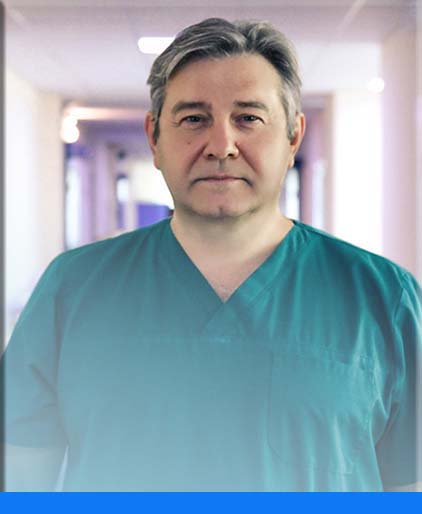
Surgeon of the highest category. Candidate of Medical Sciences. Work experience – 40 years.
International certifications:
✔ MGB Bronze Certification Course 2018,
✔ Operations Kurs Master Class
✔ Bariatrische Ghirurgie 2018, 2019
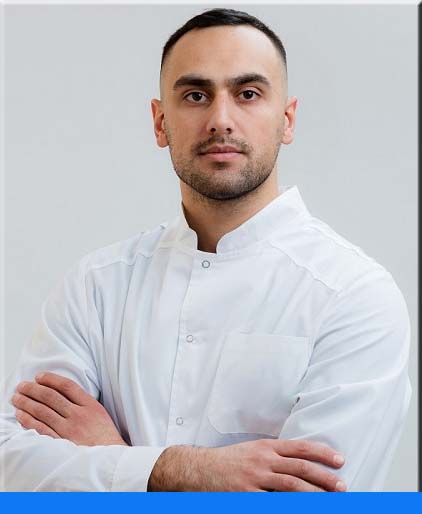
Surgeon. Work experience – 8 years.
Anesthesiologist of the highest category. 39 years of experience.