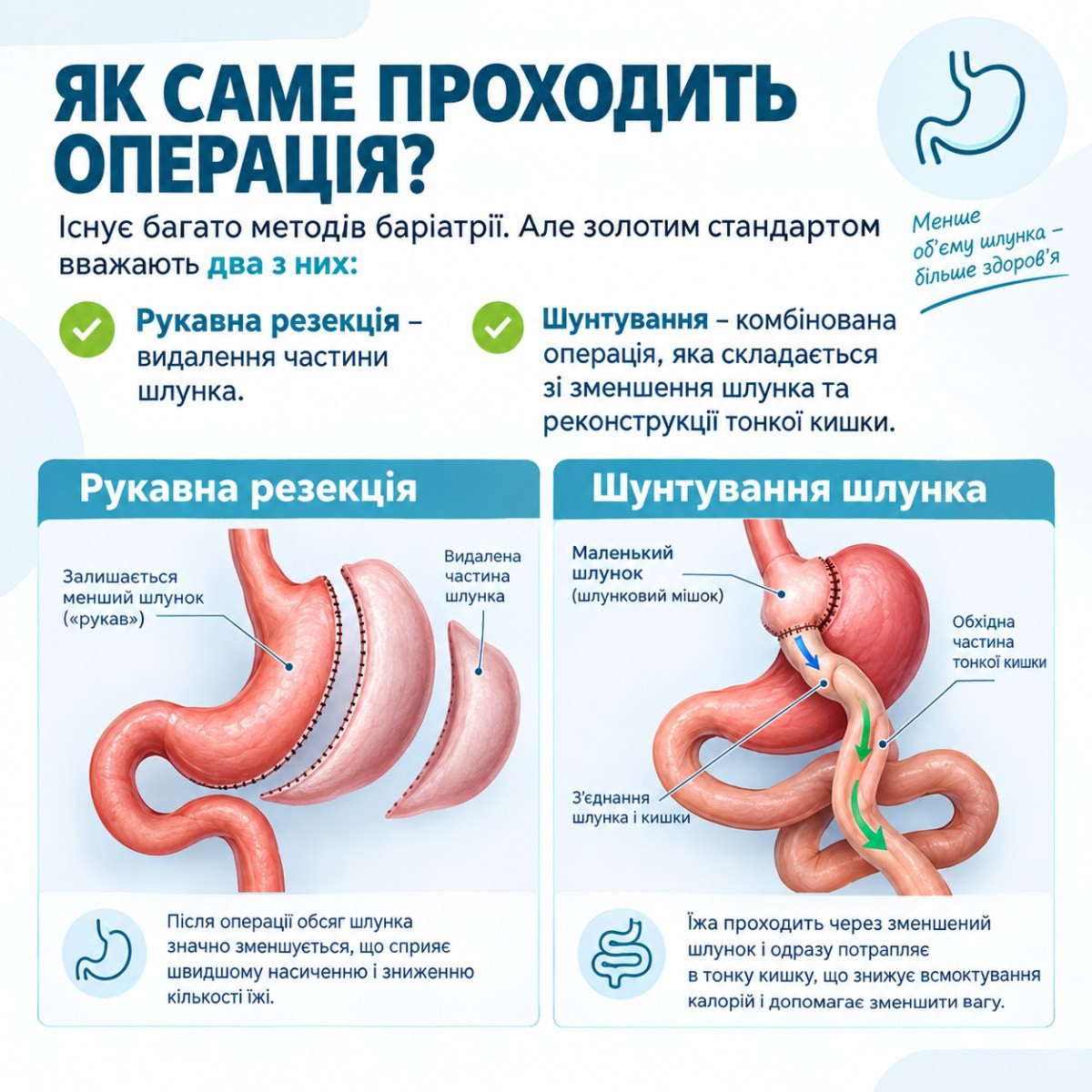


I consider bariatric surgery not as a method of “reducing the stomach,” but as a tool for systemic reprogramming of energy balance regulation, appetite control, and carbohydrate metabolism.
1. Hormonal regulation of appetite and satiety
After sleeve gastrectomy and gastric bypass, a fundamental change occurs in the enteroendocrine system:
- postprandial secretion of GLP-1 and PYY significantly increases, leading to earlier satiety and reduced caloric intake;
- secretion of ghrelin-the primary hunger hormone synthesized in the fundus of the stomach-decreases;
- gut–brain axis signaling is altered, reducing food motivation and cravings for energy-dense foods.
These effects appear within the first weeks after surgery, before substantial weight loss occurs, and explain why bariatric surgery is more effective than conservative treatments for obesity.
Scientific evidence: https://pubmed.ncbi.nlm.nih.gov/29776493/
2. Effects on insulin resistance and type 2 diabetes mellitus
One of the key effects of bariatric surgery is a rapid improvement in insulin sensitivity:
- hepatic and peripheral insulin resistance is reduced;
- hyperinsulinemia decreases;
- in a substantial proportion of patients, remission of type 2 diabetes mellitus is achieved.
Importantly, these changes are partially independent of weight loss. They are mediated by hormonal effects (particularly GLP-1), altered nutrient flow through the intestine, and modulation of metabolic signaling pathways.
This mechanism led to the recognition of bariatric procedures as metabolic surgery rather than solely weight-loss surgery.
Scientific evidence: https://pubmed.ncbi.nlm.nih.gov/37442561/
3. Changes in body composition and adipose tissue
After surgery, the following changes occur:
- preferential loss of visceral adipose tissue, a key driver of metabolic dysfunction;
- reduction of chronic systemic inflammation;
- improvement in liver function with regression of non-alcoholic fatty liver disease.
These changes directly contribute to a reduction in cardiovascular risk and normalization of the lipid profile.
4. Alterations in energy balance
Bariatric surgery affects not only food intake but also:
- overall energy efficiency;
- postprandial metabolism;
- neurohumoral responses to meals.
The organism transitions into a new, more stable metabolic state, which reduces the risk of weight regain when clinical recommendations are followed.
5. Clinical conclusion
Bariatric surgery initiates profound physiological reprogramming:
- hormonal (appetite and satiety);
- metabolic (glucose and insulin regulation);
- inflammatory (visceral fat reduction);
- neuroregulatory (eating behavior).
It is the combination of these mechanisms-rather than gastric volume restriction alone-that ensures a durable clinical outcome.