
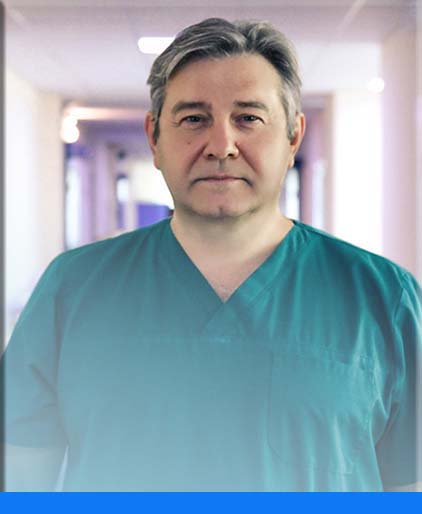
Ivan'ko Oleksandr Viktorovych
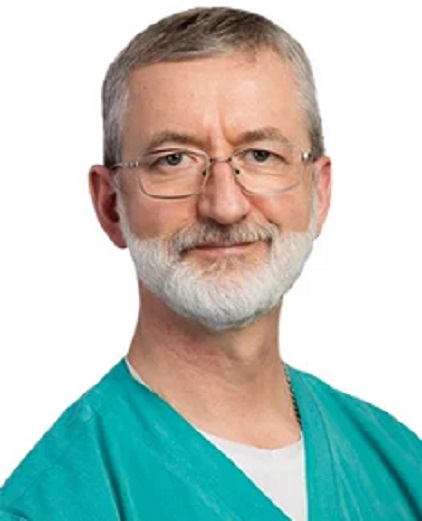
Senior category surgeon. Candidate of Medical Sciences. Work experience - 25 years.
Associate Professor of the Department of Surgical Diseases and Honored Doctor of Ukraine.
During the surgery, the ileum, the final third of the small intestine, is excluded from the digestive process. This part of the digestive tract absorbs 90% of fats.
The surgeon cuts the ileum, closes its distal end, and creates an anastomosis at the junction with the large intestine. As a result, food bypasses the section where fatty acids are absorbed, significantly reducing the number of calories that enter the body. At the same time, the level of low-density lipoproteins (LDL) in the patient's body decreases significantly (by 35-38%).
As a result of excluding the ileum, the excretion (elimination) of bile acids is increased fourfold, leading to faster conversion of cholesterol into bile acids and compensatory acceleration of cholesterol synthesis. At the same time, the liver cells' need for cholesterol increases.
Thanks to partial ileoshunting, it is possible to get rid of excess weight and achieve sustained remission in people suffering from hypercholesterolemia (characterized by high LDL levels) and diabetes. Significant improvements are observed in 45-75% of diabetic cases. Partial shunting: pros and cons The main effect of the surgery is the normalization of fat metabolism in the body, which allows for the correction of dyslipidemia and diabetes.
The disadvantages include:
Stories and reviews from our patients
Senior category surgeon. Candidate of Medical Sciences. Work experience - 25 years.
Associate Professor of the Department of Surgical Diseases and Honored Doctor of Ukraine.
Higher category surgeon. Candidate of Medical Sciences. Work experience – 40 years.
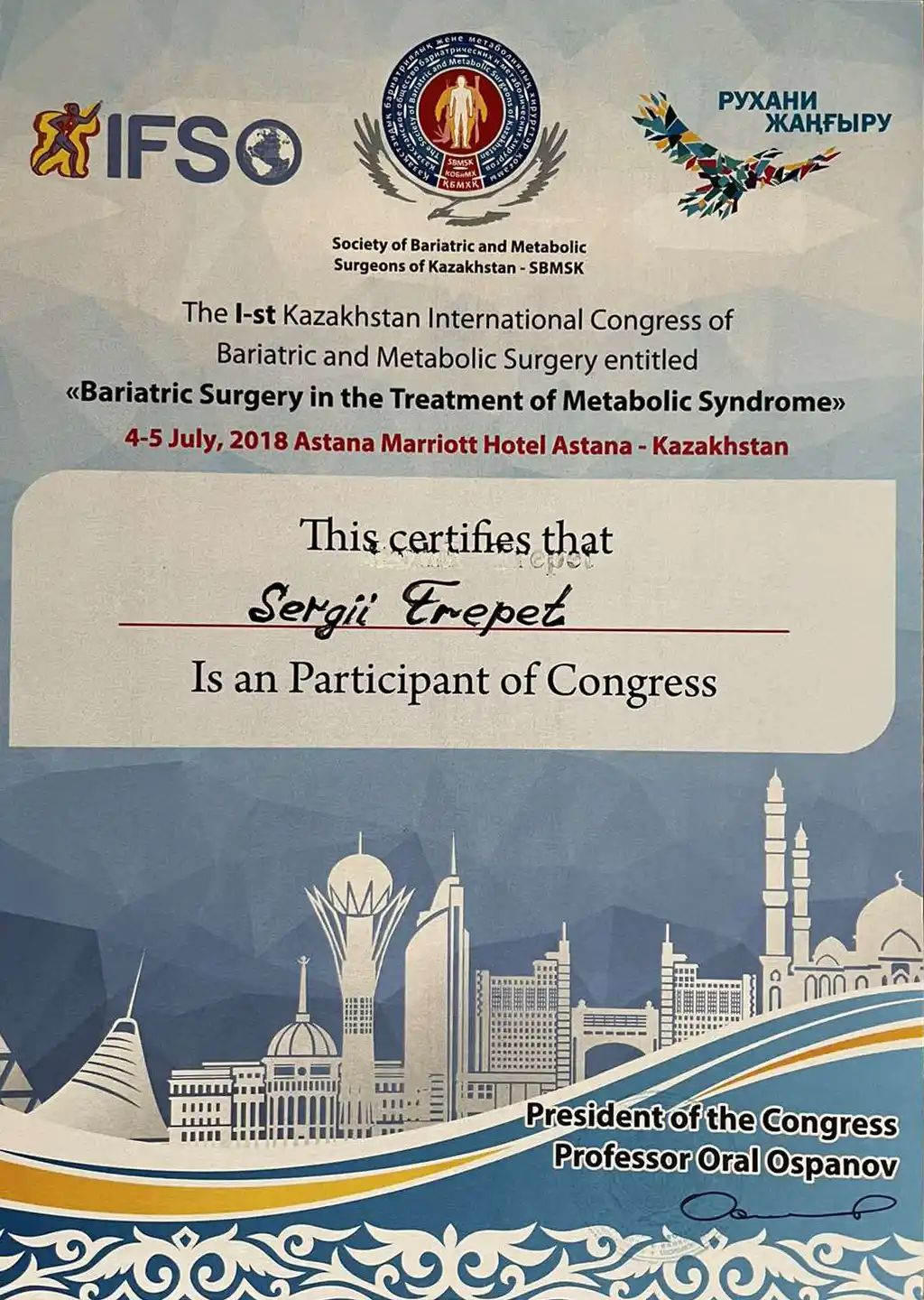
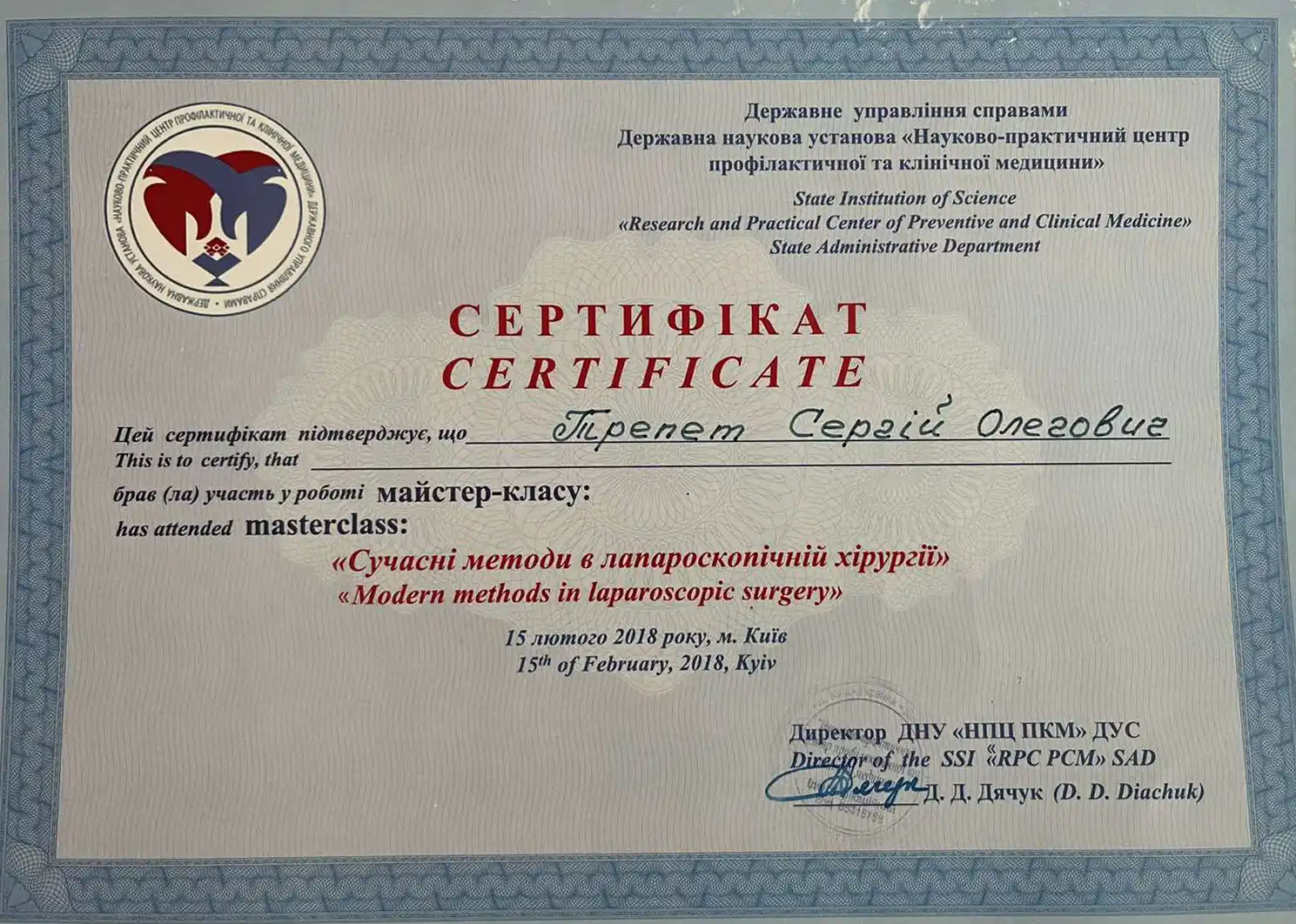
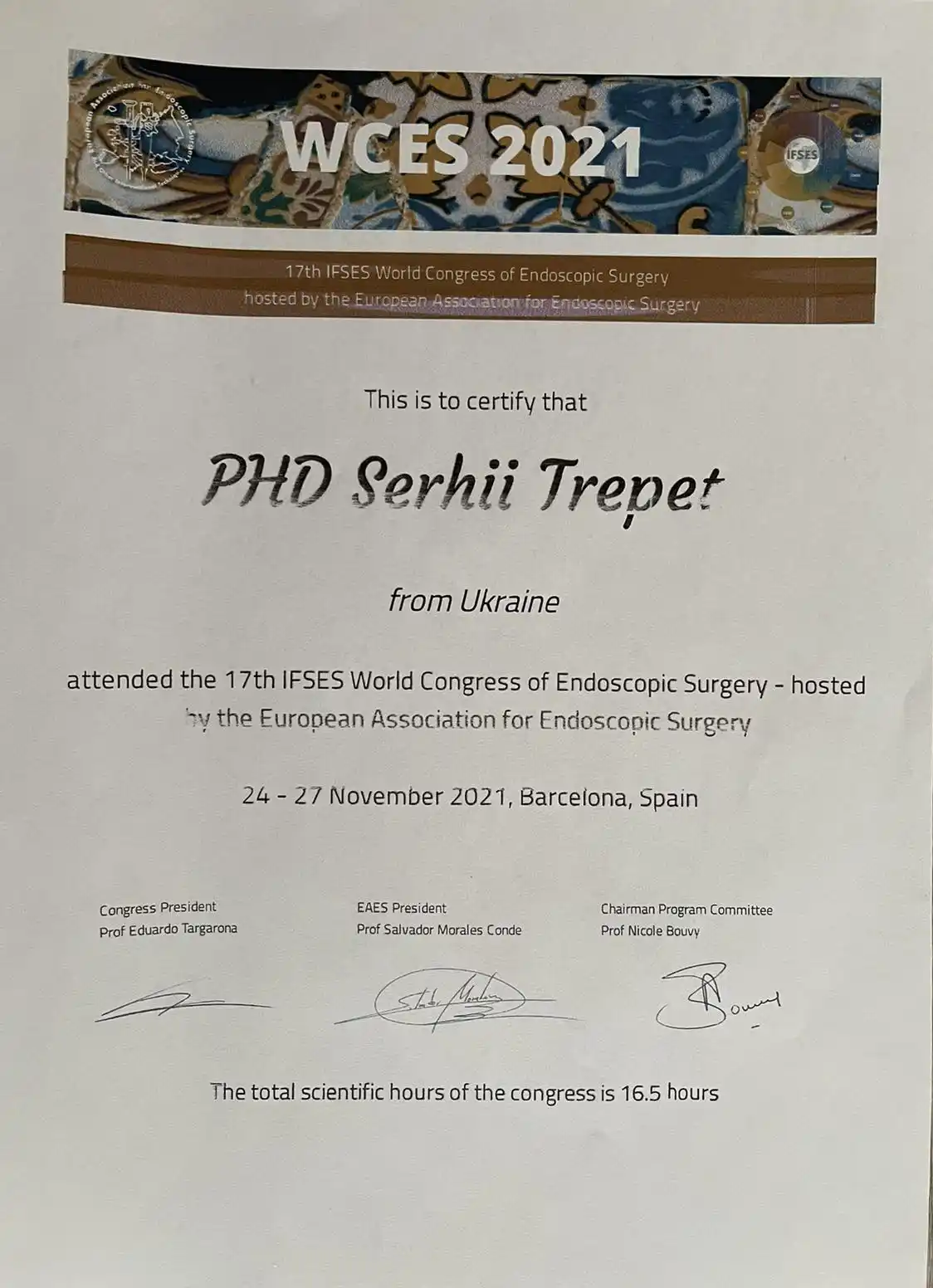
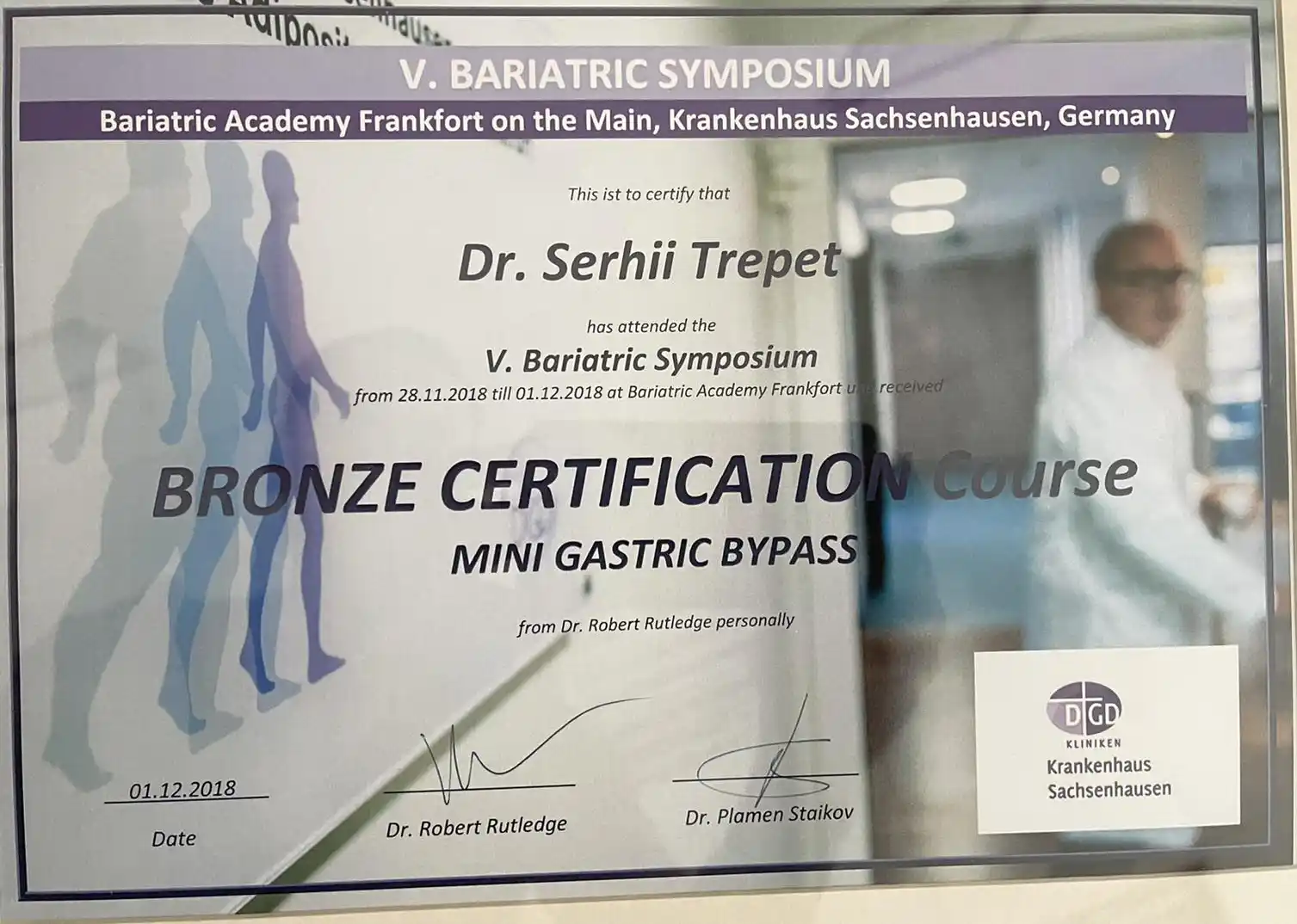
International
certificates:
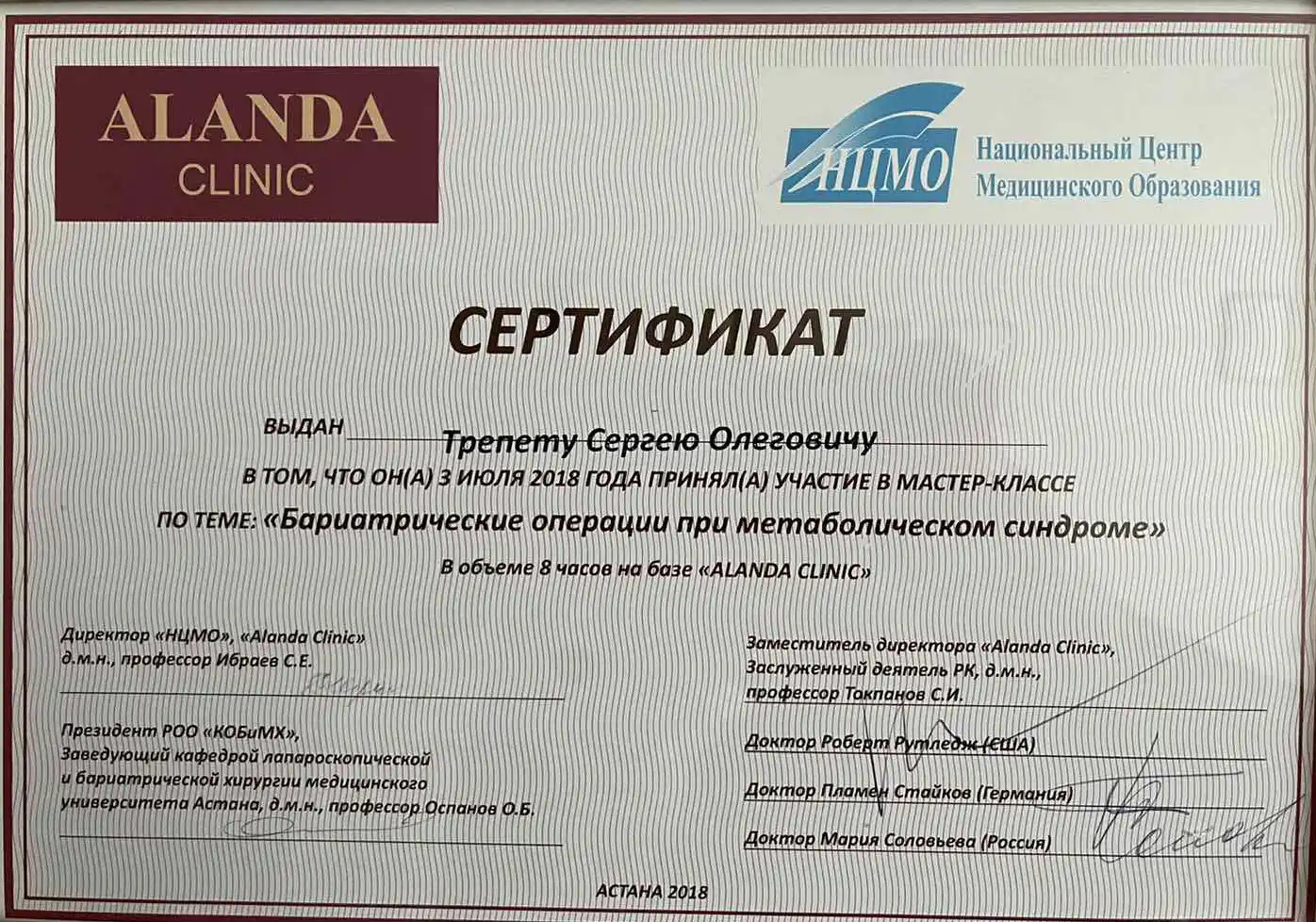
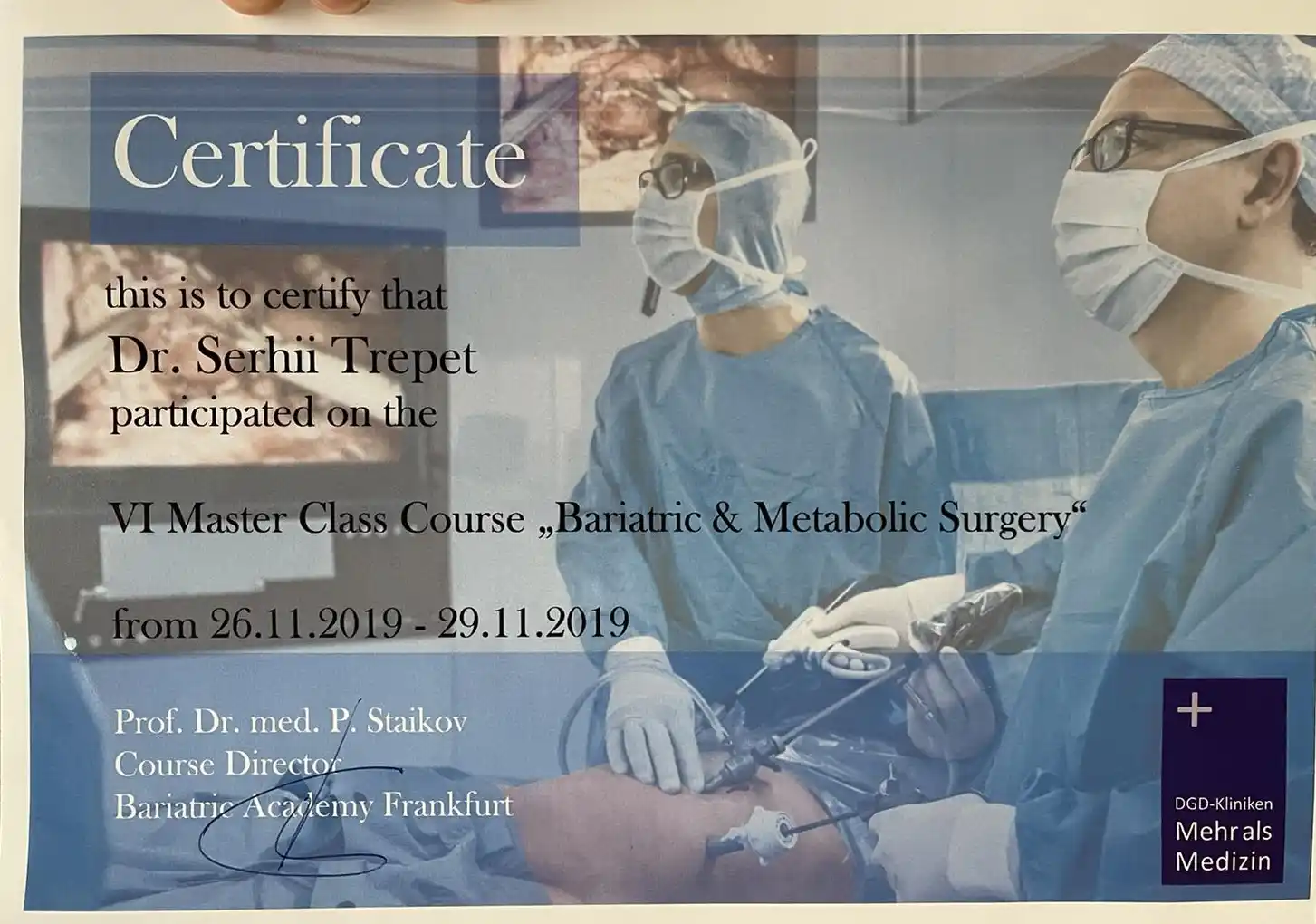
✔ MGB Bronze Certification Course 2018,
✔ Operations Course Master Class
✔ Bariatric Surgery 2018, 2019
Anesthesiologist of the highest category. 39 years of experience.
The surgery is recommended for people with mild obesity accompanied by metabolic disorders (dyslipidemia, type 2 diabetes). It is most commonly performed on individuals diagnosed with familial hypercholesterolemia that does not respond to traditional treatment.
The surgery is contraindicated for individuals with digestive system diseases, mental disorders, alcoholism, pregnancy, and lactation. It is also not performed in cases of morbid obesity – a severe condition where the body mass index exceeds 40 kg/m². In such cases, the desired outcome cannot be achieved.